when to be concerned about sleep apnea
table of contents:
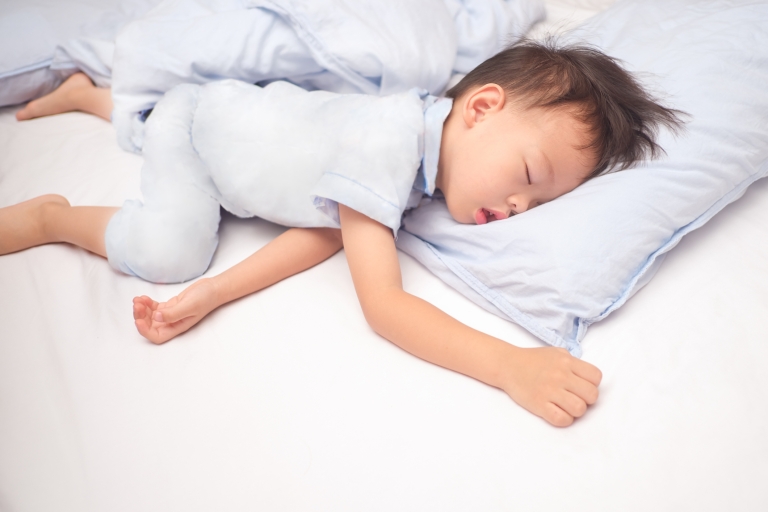
Sleep problems are common during childhood, but some sleep disturbances go beyond occasional restlessness or bedwetting. Sleep apnea in kids is a serious condition that can disrupt healthy sleep patterns and impact daytime behavior, development, and overall well-being. Recognizing the signs of sleep apnea in children is essential to ensuring they get the care they need.
what is sleep apnea?
Sleep apnea is a sleep disorder that causes interruptions in breathing during sleep. These interruptions can be brief but frequent, preventing the body and brain from receiving enough oxygen. While often associated with adults, sleep apnea in children and toddlers is more common than many realize.
There are two primary types of sleep apnea:
- Obstructive sleep apnea (OSA): This occurs when the airway becomes partially or completely blocked during sleep. It is the most common form seen in children.
- Central sleep apnea: A rarer form where the brain fails to signal the body to breathe during sleep. This type is typically seen in premature infants or children with neurological conditions.
signs and symptoms of sleep apnea in children
Identifying the symptoms of sleep apnea in kids can be difficult, especially since some signs overlap with other childhood conditions like ADHD or behavioral disorders. However, consistent patterns during sleep and daytime behavior can be key indicators.
nighttime signs of sleep apnea in kids
- Loud, persistent snoring
- Mouth breathing while asleep
- Pauses in breathing followed by gasping or snorting
- Restless sleep or unusual sleeping positions
- Bedwetting beyond the typical age
daytime symptoms of sleep apnea in children
- Excessive sleepiness or falling asleep easily, even during short car rides
- Irritability, mood swings or emotional outbursts
- Hyperactivity or poor focus in school
- Difficulty waking up in the morning or feeling unrefreshed after a full night’s sleep
These signs of sleep apnea in toddlers and older children often go unnoticed or are attributed to other issues, making early evaluation by a pediatric specialist crucial.
what causes sleep apnea in children?
The most common cause of sleep apnea in children is enlarged tonsils and adenoids, which can block the airway during sleep. Other contributing factors may include:
- Obesity
- Structural issues with the jaw or airway
- Neuromuscular disorders
- Family history of sleep apnea (highlighting a potential hereditary link)
how is sleep apnea diagnosed in kids?
A pediatrician or pediatric ENT specialist may evaluate your child’s symptoms and conduct a physical exam. In some cases, you may be referred to sleep medicine for a sleep study (polysomnography) is recommended. This overnight test monitors breathing, heart rate, oxygen levels and brain activity during sleep.
While a sleep study isn’t always required to confirm sleep apnea in toddlers or children, it is particularly helpful for diagnosing complex cases or planning treatment strategies.
You may also be referred to pulmonary medicine for respiratory related concerns if it is determined that this may be contributing to your child’s sleep apnea.
sleep apnea treatments in children
Treatment depends on the underlying cause and severity of the condition. Fortunately, sleep apnea in children is often treatable.
surgical treatment
Depending on your child’s specific needs, treatment may involve specialists in ENT, sleep medicine or pulmonology. If enlarged tonsils and adenoids are obstructing the airway, surgical removal (tonsillectomy and adenoidectomy) is typically the first-line treatment. This procedure can significantly improve or even eliminate sleep apnea symptoms in most children. In other cases, sleep medicine providers may recommend CPAP therapy, while pulmonologists can help manage respiratory related concerns.
non-surgical treatment options
- CPAP (Continuous Positive Airway Pressure): A machine that gently blows air into the airway during sleep to keep it open. While effective, many children may struggle with consistency and comfort using CPAP.
- Weight management: For children who are overweight, lifestyle changes and weight loss can reduce airway obstruction.
- Allergy treatment: Managing allergies may help reduce nasal congestion and improve airflow during sleep.
A pediatric ENT, sleep specialist or pulmonologist will work with families to develop a personalized plan based on your child’s needs.
how to tell if you have sleep apnea
Children won’t always be able to tell you how they feel after a poor night’s sleep. As a parent, observe your child for the following indicators:
- Snoring loudly most nights
- Waking up gasping for air
- Frequent daytime fatigue
- Behavioral issues, hyperactivity or difficulty concentrating
If you notice these signs of sleep apnea in toddlers or children consistently, it’s time to speak with your pediatrician. Early treatment can prevent long-term complications such as learning difficulties, delayed growth or cardiovascular issues.
can sleep apnea be cured?
In many cases, yes. When the root cause of sleep apnea in children is addressed—such as through tonsil and adenoid removal or weight management—the condition often resolves. However, ongoing monitoring may be necessary, especially as children grow or if symptoms return.
For children with more complex causes, such as craniofacial abnormalities or neuromuscular disorders, long-term management may be needed rather than a one-time cure. Regardless of the severity, early intervention dramatically improves outcomes.
is sleep apnea hereditary?
Sleep apnea can have a genetic component. If a parent or close family member has sleep apnea, your child may be at higher risk. Structural factors like narrow airways or jaw alignment issues can be inherited, contributing to a predisposition.
Though family history may raise concern, it doesn’t guarantee your child will develop the condition. Still, it’s wise to stay aware of sleep apnea symptoms, especially if sleep issues persist or worsen over time.
when to seek help for sleep apnea in children
If your child consistently snores, breathes through their mouth at night, wakes up tired despite a full night’s rest, or shows signs of sleep-related behavioral changes, it’s time to consult with a specialist. Left untreated, sleep apnea in kids can interfere with growth, learning and emotional wellbeing.
At Dayton Children’s, we offer comprehensive evaluations and treatment options tailored to your child’s unique needs. Schedule an appointment or call 937-641-4000.
related posts

worried about a symptom? we’re here to help.
From everyday issues like coughs or pink eye to more serious concerns like diabetes or asthma, we help you understand what’s typical — and when to be concerned or find care now. Get expert guidance on your child’s symptoms and conditions from your trusted partner in pediatric care.