“I’m not doing it!”
- A chair knocked over.
- A door slammed.
- A clenched fist.
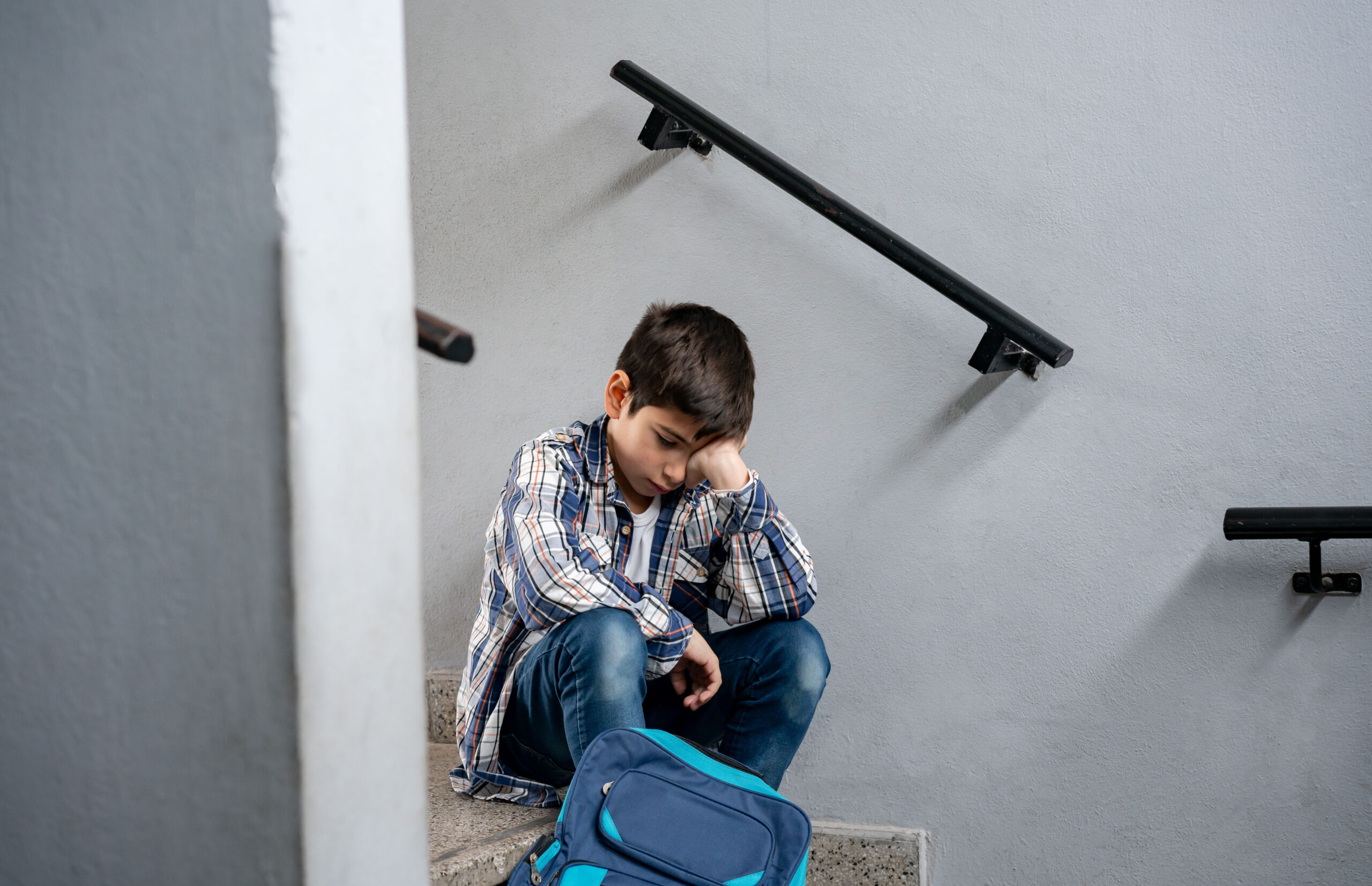
It may look like anger. But is anger the only thing the student is feeling?
Students experience many emotions throughout the school day. Sometimes, those feelings come out as anger or an emotional outburst. Teachers can help students name what they’re feeling and find healthy ways to express it.
anger or something else?
Anger is a normal emotion, but it can also cover up other feelings. A student may be frustrated, embarrassed, worried or sad. Or they may simply be angry.
Try to look beyond the behavior and consider what may be contributing to the student’s reaction. Look for patterns about what happened right before the outburst.
For example:
- Learning a new concept may lead to frustration or embarrassment
- Answering a question incorrectly may bring up worries about making mistakes
- Being laughed at or teased may cause embarrassment, sadness or anger
The behavior may look the same in each situation, but the reason behind it can be very different. The support a student needs may be different, too.
recognizing signs of escalation
There are often signs that a student is becoming overwhelmed. When possible, offering support early may help the student’s emotions from escalating.
These signs aren’t the same for every student. Some students show their emotions outwardly, while others become quiet or withdraw. A student may need support if you notice:
- Irritability
- Tension in their body
- Difficulty communicating
- Restlessness
- Withdrawing from others
Not every student will show clear warning signs. Getting to know each student’s patterns can help you recognize when they may need support.
how to support a student
If you notice a student becoming overwhelmed, focus first on helping them feel safe and supporting them as they work through their emotions.
- Stay calm. It can be difficult to stay calm when there are other students that also need our attention. A steady tone and calm body language can help keep the situation from escalating.
- Use a clear, calm voice. During an outburst, students may have difficulty processing information. Keep directions short, simple, and calm.
- Offer a familiar calming strategy. You might model slow breathing or remind the student of another strategy they’ve practiced.
- Give the student time to calm down. Address the behavior after the student is ready to communicate.
Not every calming strategy works for every student. Practice several options with the class when students are calm. This gives students a chance to find what tools work best for them before they need to use one.
when emotions escalate quickly in the classroom
Sometimes a student may become overwhelmed with little warning. There are many possible reasons:
- They may be dealing with stress outside the classroom
- They might have been managing difficult feelings throughout the day and have reached their limit
- They may have difficulty pausing before reacting
- They may need more opportunities to rest and reset
- They may have trouble recognizing or communicating their emotions before those feelings become overwhelming
Looking for patterns and considering what might be contributing to the behavior can help you identify what support the student needs.
create opportunities to reset
Regular breaks can help students practice calming their bodies and minds before their emotions become overwhelming.
Consider these strategies:
- Build five to 10 minutes of quiet reset time into the day
- Offer silent reading, drawing or another calming activity
- Schedule planned breaks for students who need additional support
- Offer a short movement break
- Provide time in a designated calm space
- Offer a brief sensory break when appropriate for the student
Continue looking for patterns. Does the behavior happen during the same subject or around the same time each day? If so, try offering a reset before and after that part of the schedule.
getting back on track after a classroom outburst
- Reconnect: Reassure the student that you’re there to help. Make sure the student is calm before beginning a conversation about what happened.
- Reflect: Talk privately about what happened, what the student was feeling and what might help next time. Remind them that anger is normal, but hurting others or damaging things isn’t okay.
- Repair: Help the student take responsibility for any harm or disruption. This might mean cleaning up a mess, checking on someone or offering an apology when appropriate.
- Practice: Revisit helpful calming strategies when the student is calm
It can be difficult for a student to learn a new calming strategy when they’re already overwhelmed. Practicing these skills during calm moments can make them easier to use later.
when to reach out for help
You don’t have to handle challenging outbursts alone.
Work with counselors, mental health professionals, families or other school support staff. Collaboration is especially important when a student’s outbursts are frequent, increasing in intensity, or create safety concerns.
Looking for activities that can helps students practice calming and mindfulness skills? Try our: