Just like teaching our kids to learn to read or ride a bike, teaching them responsibility isn’t something that happens overnight. For parents of teens, teaching responsibility takes time, intention and practice.
Dr. Kenneth R. Ginsburg, author of Building Resilience in Children and Teens: Giving Kids Roots and Wings, reminds us that we’re not just raising successful kids—we’re raising successful adults. And one of the most valuable lessons we can teach is responsibility.
“When we prepare our children to navigate the world safely and wisely, we show them, lovingly, how much we care about them becoming their best selves.” — Kenneth R. Ginsburg, MD, MS Ed, FAAP
If teens don’t have enough responsibility, they may:
- Lose a sense of confidence to do things on their own
- Become overly dependent
- End up pushing against rules
On the other hand, giving them too much responsibility too soon can leave them feeling overwhelmed.
So how do you find the right balance? The On Our Sleeves experts are here to help. We’ll break down three areas in their life that you can encourage them to take responsibility in.
1. Participating in family responsibilities
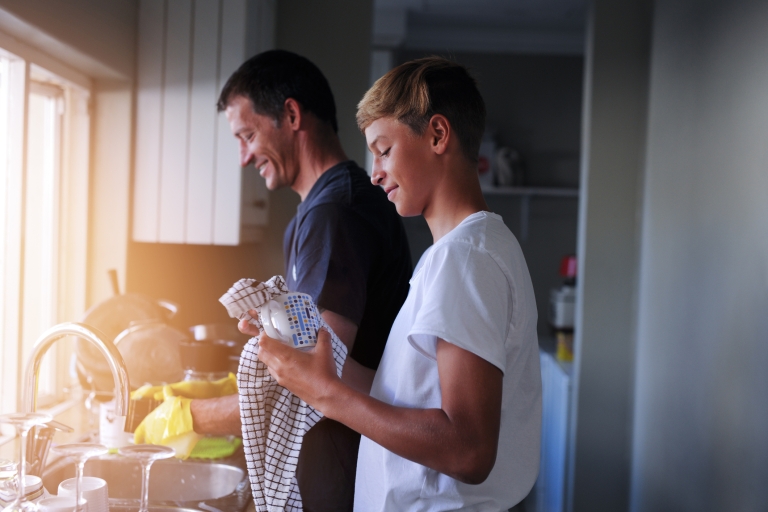
Family is where teens often first learn about responsibility. It’s where they discover how their contributions can help a household run smoothly and where they can develop important life skills like respect, accountability and teamwork. Here are some ways you can help your teen develop responsibility:
- Helping with chores: Taking on some of these simple tasks can show the importance of respect and organization when sharing a living space:
- Taking out the trash
- Doing laundry
- Keeping their room clean
- Helping with meals – Cooking is a great way to teach teamwork, time management and problem-solving: all skills they’ll use when they’re on their own! Bonus: being able to accomplish something like a recipe can help build their confidence and life skills!
- Keeping up with the family calendar –Teens can start to help coordinate their own activities with the family calendar. As teens enter high school, communication about activities often shift away from the parent to the teen directly. This makes it super important for your teen to be communicating to you dates, times and other information that the family needs to know in order to keep an organized schedule. It is helpful to have a family system in place around scheduling and keeping a calendar so your teen knows how to best communicate schedule changes with you and can see what family obligations are already on the calendar.
- Taking care of the car – If your teen drives, they need to learn the responsibility that comes with the privilege of driving such as:
- Helping to keep the car fueled up
- Helping to keep the car clean
- Following the rules of the road
By involving your teen in family chores, they’ll not only be helping around the house, but they’ll also get valuable skills to use as they mature. What family chores are your teen already involved in and what can you add to their responsibilities?
2. Sharing school responsibilities
Developing essential life skills like time management, organization and problem solving comes alongside schoolwork and school activities. Helping them to develop habits and systems to manage their time and schoolwork will benefit them both now and in the future.
- Keeping up with schoolwork – Staying on top of homework, group projects and deadlines helps build responsibility. If something gets missed, learning from the consequences is part of the process. Also, whether it be school, activities or social plans, work with your teen on communicating plans and remind them that they still do need to ask your permission. Keep working with them on planning ahead, keeping track of time and showing up without constant reminders.
- Asking for help – It’s okay not to have all the answers! Encouraging teens to reach out to a teacher, coach or trusted adult when they need support teaches them that asking for help is a strength, not a weakness.
- Getting involved – Volunteering at school or in the community is a great way to build leadership skills and confidence. Taking initiative helps them feel more connected and responsible.
- Speaking up if something feels off – If they see or hear something concerning, they should feel comfortable telling a trusted adult. Speaking up helps keep everyone safe. (Check out our blog on keeping secrets for more on this!)

Taking personal responsibility & learning life skills
Teens need to learn how to take care of themselves, both physically and emotionally. Personal responsibility helps them build confidence and independence, preparing them for adulthood. Here are some key ideas to think about:
- Taking care of hygiene and health – Keeping up with basic hygiene, eating well, exercising, and managing stress are all part of self-care. Learning how to schedule and keep up with doctor and dentist appointments is another learning opportunity for their future.
- Owning their actions – Taking responsibility instead of blaming others helps build character and trust. Some ways they can show responsibility for their actions includes:
- Being on time – Being ready and showing up when expected builds respect and reliability.
- Managing money – Learning to budget their allowance and earned money is a key life skill.
- Learning work responsibilities – Teaching your teen to understanding job expectations and being a dependable team member can lay the groundwork for future success. But that doesn’t mean they have go out and get a job. You can teach this through:
- Household chores
- Helping a neighbor or elderly family member
- Getting a job as they get older
how to help your teen take on responsibility
You can help your teen thrive as they take on new responsibilities with a few simple strategies:
- Start small and build up – Not all teens are ready for the same level of responsibility at the same age. Start with small tasks and gradually increase the level of responsibility as you notice your teen maturing.
- Set clear guidelines – Even when giving them more freedom, you still need to offer guidance. Help them learn by showing them how to do tasks and being available to them when they have questions.
- Praise the effort – Positive reinforcement goes a long way. Point out when you see your teen step up and take responsibility and acknowledge their effort. Don’t we all love a good shout out?
- Accept their decisions – Even if you wouldn’t make the same choice as your teen, it’s important to show that you respect their ability to make decisions. Show your support even when they make a mistake!
- Check in regularly – If your teen struggles with responsibility, they might feel overwhelmed so it’s important to check in with them on a regular basis. When you check-in, be there to listen and provide guidance if they need it.
Letting your teen take on more responsibility can be tough. But with the right support and guidance, you’ll get to watch them flourish into responsible, confident young adults who are ready to face life’s challenges. It’s all part of the ongoing learning process, and as a parent, you’re right there to help guide them.
What area do you plan to start with? What responsibilities can you discuss beginning to pass along to them today?
more resources
If you’re looking for more ideas on how to introduce responsibility around the house for kids, no matter the age, take a look at our previous blog on helping kids master responsibilities at home. The tips from our experts outline how to choose the right responsibilities for any age and how to handle any frustrations that may pop up. Plus, there’s a fun, family activity to get everyone involved in taking responsibility around the house!
join the On Our Sleeves movement
The mission of On Our Sleeves is to provide every community in America access to free, evidence-informed educational resources necessary for breaking stigmas about child mental health and educating families and advocates. For more information, visit OnOurSleeves.org.