
two things to remember:
- Wash fresh fruits, vegetables, and herbs before eating them. Proper handwashing and rinsing produce under running water are simple ways that can help lower your family’s risk.
- Call your pediatrician if your child has watery diarrhea that lasts more than a few days. Most stomach bugs get better on their own. But if diarrhea continues, your child’s doctor can help decide if testing is needed.
in this article:
- What is Cyclospora?
- What are the symptoms?
- How does Cyclospora spread?
- How can I protect my child?
- When should I call the doctor?
Have you heard about the Cyclospora outbreak? Public health officials are investigating a multistate outbreak of Cyclospora, a tiny parasite that can cause diarrhea. While Ohio has reported hundreds of cases this year, Dayton Children’s has seen only a few positive tests. Public health experts are still working to find the source.
Hearing about an outbreak can make any parent worry, especially when it involves food your family eats every day. The good news? Cyclospora is uncommon, it doesn’t spread easily from person to person, and it can be treated.
what is Cyclospora?
Cyclospora is a tiny parasite that infects the intestines and causes diarrhea. People usually get sick after eating contaminated fresh produce. In past outbreaks, foods like lettuce, raspberries, snow peas and fresh herbs – such as basil, cilantro and parsley – have been linked to illness.
what are the symptoms?
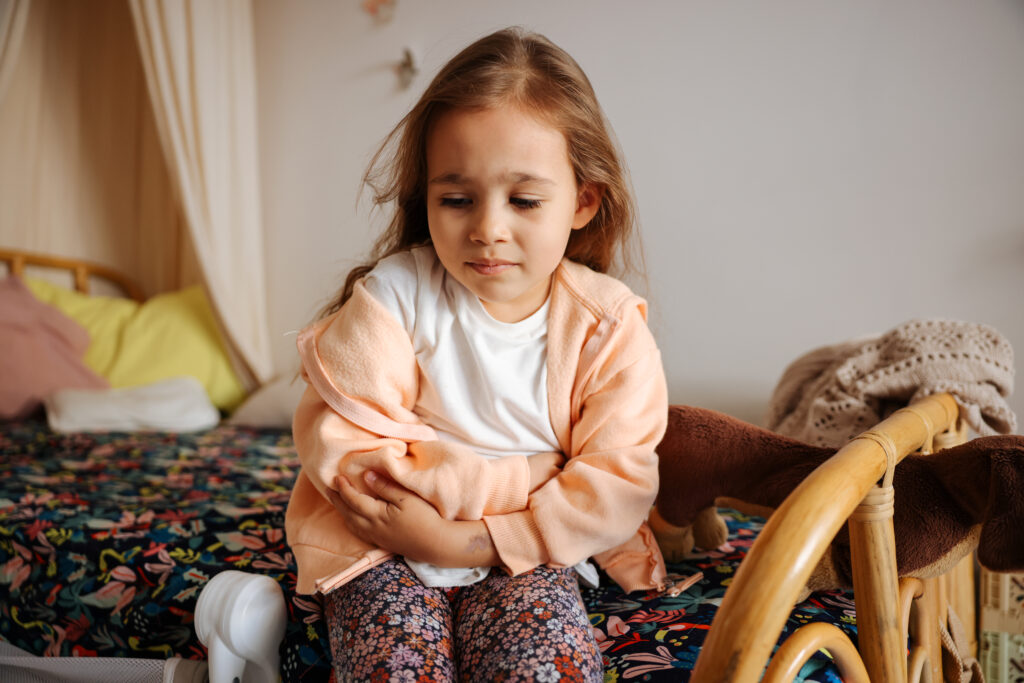
The most common symptom is watery diarrhea. Children may also have:
- Nausea
- Crampy stomach pain
- Bloating
- Fatigue (sleepy)
- Low-grade fever
- Decreased appetite
Cyclospora can last longer than a typical stomach virus. Instead of getting better in a few days, symptoms may last several weeks. Sometimes children even seem to feel better, then symptoms come back.
isn’t it probably just a stomach bug?
Maybe.
“There are many different causes of diarrheal illnesses besides Cyclospora,” says Michael Klatte, MD, chief of infectious diseases at Dayton Children’s. “If your child has bloody diarrhea, diarrhea with high-spiking fevers or diarrhea that resolves after a few days, then it’s unlikely your child has a Cyclospora infection.”
That’s why it’s important not to assume every upset stomach is caused by the current outbreak.
how does Cyclospora spread?
Unlike other viruses that spread easily from person to person, Cyclospora usually doesn’t. The parasite is passed in poop (stool), but it needs time to mature in the environment before it can infect someone else. Because of this, passing it from person to person is unlikely.
Instead, most people get Cyclospora after eating contaminated food.
how can I protect my child
While investigators keep working to find the source of the current outbreak, good food safety habits are the best way to protect your family. Dr. Klatte recommends;
- Wash your hands with soap and water for 15-20 seconds before and after handling fresh produce.
- Rinse fruits, vegetables and fresh herbs well under running water.
- Scrub firm produce, such as melons and cucumbers, with a clean produce brush before cutting them.
These simple habits can also help protect your family from other foodborne illnesses.
what should I do if I think my child has Cyclospora?
If your child has watery diarrhea that continues for more than a few days, call your pediatrician.
Cyclospora is diagnosed with a stool test and treated with an antibiotic called trimethoprim-sulfamethoxazole. Your pediatrician can help decide whether testing is appropriate based on your child’s symptoms. Children with weakened immune systems, including those receiving cancer treatment or taking medicines that suppress the immune system, may be at greater risk for more severe or longer-lasting illness.
when should I seek medical care right away?
Most children with diarrhea can recover at home with plenty of fluids and rest. But seek medical care right away if your child:
- Has signs of dehydration, such as a dry mouth, crying without tears or not urinating regularly
- Cannot keep fluids down
- Seems unusually sleepy or difficult to wake
If you’re unsure whether your child needs medical care, your pediatrician is always a good place to start.
the bottom line
Most diarrhea is not caused by Cyclospora. But if your child has watery diarrhea that lasts for weeks instead of days, or you’re concerned they’re becoming dehydrated, don’t wait to ask for help. When it comes to foodborne illnesses, staying informed, practicing good food safety, and knowing when to call your pediatrician can go a long way toward keeping your family healthy.
contact us
If you are interested in pursuing a story about Dayton Children’s please contact public relations manager, Katie Solovey, at 937-673-4941 or by filling out a media inquiry through our contact us form.