the dos and don’ts of a gluten-free diet

how to navigate the dietary restrictions of a child with celiac disease
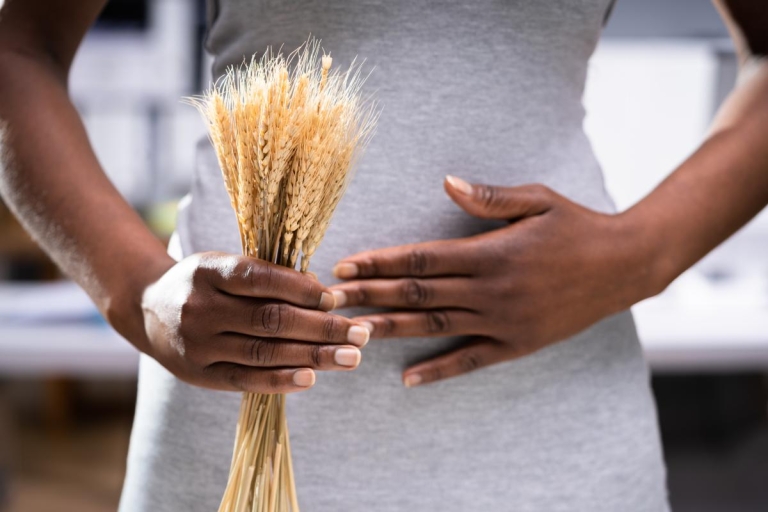
Chef holding wheat while holding stomach, signaling a gluten allergy

If your child has celiac disease, their doctor will guide you on which foods your child can eat and which to avoid. These changes will have a big impact on your family’s everyday life and your child’s diet. You may also benefit from meeting with a dietitian for more advice.  

Your child’s diet should have no wheat, barley, rye or related grains. No law requires food manufacturers to list gluten on food labels, so making sure your child avoids it can be hard. In the United States, all food must be clearly labeled if they contain any of the top eight food allergies, including wheat. But wheat-free doesn’t mean gluten-free. Some wheat-free products may have gluten-containing grains like barley and rye in them. 

Carefully read food labels on all items before you buy them or let your child have them. And help your child learn to do it too. According to The Celiac Disease Foundation, these are some of the common foods that contain gluten: 

  • Pastas: raviolis, dumplings, couscous and gnocchi 
  • Noodles: ramen, soba, chow mein and egg noodles 
  • Breads and pastries: croissants, pita, naan, bagels, flatbreads, cornbread, potato bread, muffins, donuts, rolls 
  • Crackers: pretzels, goldfish, graham crackers 
  • Baked goods: cakes, cookies, pie crusts, brownies 
  • Cereal and granola: corn flakes and rice puffs often contain malt extract/flavoring, granola is often made with regular oats, not gluten-free oats 
  • Breakfast foods: pancakes, waffles, French toast, crepes and biscuits 
  • Breading and coating mixes: panko breadcrumbs 
  • Croutons: stuffings, dressings 
  • Sauces and gravies: many use wheat flour as a thickener 
  • Flour tortillas 

The good news is many of the food items listed above are now available in gluten-free options as well. Just be sure to read the label! 

other foods that may contain gluten 

These foods must be verified by reading the label or checking with the manufacturer/kitchen staff: 

  • Energy bars/granola bars 
  • French fries 
  • Potato chips 
  • Processed lunch meats 
  • Candy and candy bars 
  • Soup 
  • Multi-grain or “artisan” tortilla chips or tortillas 
  • Salad dressings and marinades 
  • Starch or dextrin 
  • Brown rice syrup 
  • Self-basting poultry 
  • Pre-seasoned meats 
  • Cheesecake filling 
  • Eggs served at restaurants 

finding safe options 

  • Start with the foods your child can eat. Safe foods and ingredients include foods made with flours of corn, rice, buckwheat, sorghum, arrowroot, garbanzo beans (chickpeas), quinoa, tapioca, teff and potato. All plain meats, fish, chicken, legumes, nuts, seeds, oils, milk, cheese, fruits and vegetables are also okay. 
  • Watch for cross-contamination. Sometimes, gluten-free foods can come into contact with foods that contain gluten. For example, crumbs from regular wheat bread can find their way into jams, spreads or condiments if people aren’t careful to use a fresh knife or utensil each time. Keeping condiments in squeezable bottles and using separate butter, jams and spreads for people with celiac disease is a great idea. You might also keep a separate toaster for gluten-free bread. 
  • Clean appliances, utensils and work surfaces before you make gluten-free products, especially after handling foods that contain gluten. Wash your hands well and often when you prepare food. 
  • In restaurants: Tell the server or the kitchen staff about your child’s condition so they know that your child’s food must be free of gluten and related ingredients. 
  • In grocery stores: Most carry some gluten-free bread, cereal, baking mixes, cookies, crackers and other products. Health food stores and natural food markets may have wider selections of these foods. Skip gluten-free products from bulk food bins because of the risk of cross-contamination. 

If your child is a patient in gastroenterology at Dayton Children’s and could benefit from more advice on nutrition, contact the clinic to arrange meeting with a licensed dietician at your next appointment.

If your child is not a patient in gastroenterology at Dayton Children’s but would benefit from advice from a licensed dietician, schedule an appointment in our nutrition clinic. 

Information adapted from KidsHealth

last reviewed

care that goes above and beyond

Because every child deserves care that goes above and beyond, Dayton Children’s provides compassionate, expert care for kids of all ages. Find a provider, schedule an appointment, or learn more about conditions we treat today.

do certain foods upset your child’s stomach?

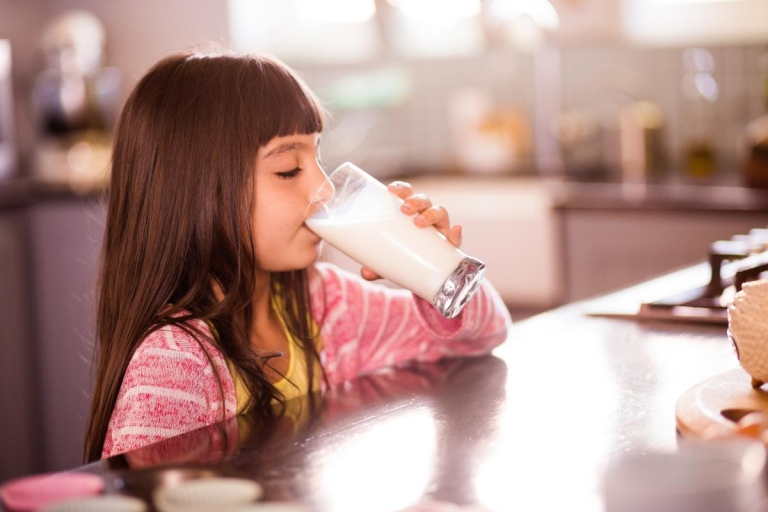
girl drinks milk in a sunlit kitchen

Has your child ever eaten something and not felt great afterwards? Depending on the symptoms, this could be a sign of a food intolerance (also known as a sensitivity) or an allergy. And you might be wondering, what is the difference between a food allergy and intolerance? David Morris, MD, division chief of allergy and immunology at Dayton Children’s Hospital is here to help us identify the differences.

food allergy versus intolerance

A food intolerance, such as lactose intolerance, can make someone feel ill with symptoms such as nausea, gas, cramping in the stomach, diarrhea and/or headaches.

A food allergy, such as a peanut allergy, can also make someone feel ill but with more serious symptoms such as hives, vomiting, throat tightness, difficulty breathing and more.

food intolerance broken down further

A food intolerance, means that our body can’t digest a certain food the right way. For instance, someone who is lactose intolerant has trouble digesting the type of sugar that is typically in milk and other dairy products. This does not mean that they are allergic to milk, it just means that they probably won’t feel good after eating something that contains milk.

If your child has an intolerance to a food, they will probably notice symptoms within two hours of eating or drinking. Everyone reacts differently and a food intolerance can start out of nowhere – even if they’ve never had trouble with a certain food before.

There are some at-home food sensitivity tests that you can buy over the counter that will measure the body’s response to foods that commonly cause an intolerance. Unfortunately, data has not consistently shown these tests as a valid way to evaluate triggers. I would recommend a food diary recording symptoms after consumption. 

food allergy broken down further

A food allergy is when the body’s immune system sees a type of food as an invader. This is what leads to an allergic reaction. According to KidsHealth, an allergic reaction is the immune systems response in which chemicals like histamine are released in the body. An allergic reaction can cause symptoms that can be life-threatening.

A person with a food allergy is always at risk for the next allergic reaction being a life-threatening one. Eating even a small amount of the food can lead to anaphylaxis. Anaphylaxis is a severe allergic reaction that can cause many problems at the same time. People with a food allergy must always avoid the problem food and carry an emergency injectable epinephrine (also known as an epi-pen).

Some of the most common food allergies include:

  • Peanuts and other tree nuts
  • Seafood, such as shrimp
  • Fish
  • Milk (usually cow’s milk)
  • Eggs
  • Soy
  • Wheat
  • Sesame

If you think your child may have a food allergy, talk to their pediatrician. You will probably be referred to an allergist (a doctor who specializes in allergies). The allergist may want to do a skin test. A skin test will see how the body reacts to a small amount of the food that you think may be causing the problem.

Unfortunately, there is currently no medication available to make food allergies go away. Sometimes food allergies can be outgrown, and others may last forever. The best treatment is to avoid the food that is causing the problem – this is for allergies and sensitivities!

If you have more questions about allergies or think your child may need to see an allergist, click here.

last reviewed

care that goes above and beyond

Because every child deserves care that goes above and beyond, Dayton Children’s provides compassionate, expert care for kids of all ages. Find a provider, schedule an appointment, or learn more about conditions we treat today.