pediatric neurology
Specialized care for kids with seizures, headaches and other neurological concerns, focused on improving health, development, and quality of life.
what is pediatric neurology?
Pediatric neurology is a specialty that focuses on problems involving the nervous system. The nervous system includes the brain and spinal cord, and all the nerves that connect them to the rest of the body. Some common symptoms of a neurological issue are seizures, delayed speech, weakness or headaches.
why choose pediatric neurology at Dayton Children’s?
At Dayton Children’s Hospital, our specialists take the time to get to know each patient and family. We are partners in your child’s care and will work with you to decide on the best care plan for your child. Patients with neurological concerns often have complex medical needs, so our team collaborates with other pediatric specialists at Dayton Children’s to ensure each child’s unique needs are met. These specialists can include experts in neurosurgery, rehabilitation, developmental pediatrics, psychology, medical genetics and many other clinical areas.
As an accredited level 3 epilepsy center by the National Association of Epilepsy Centers, you can be assured that our providers and our facilities will provide your child with the highest level evaluation and treatments for patients with complex epilepsy.
when to see a neurologist
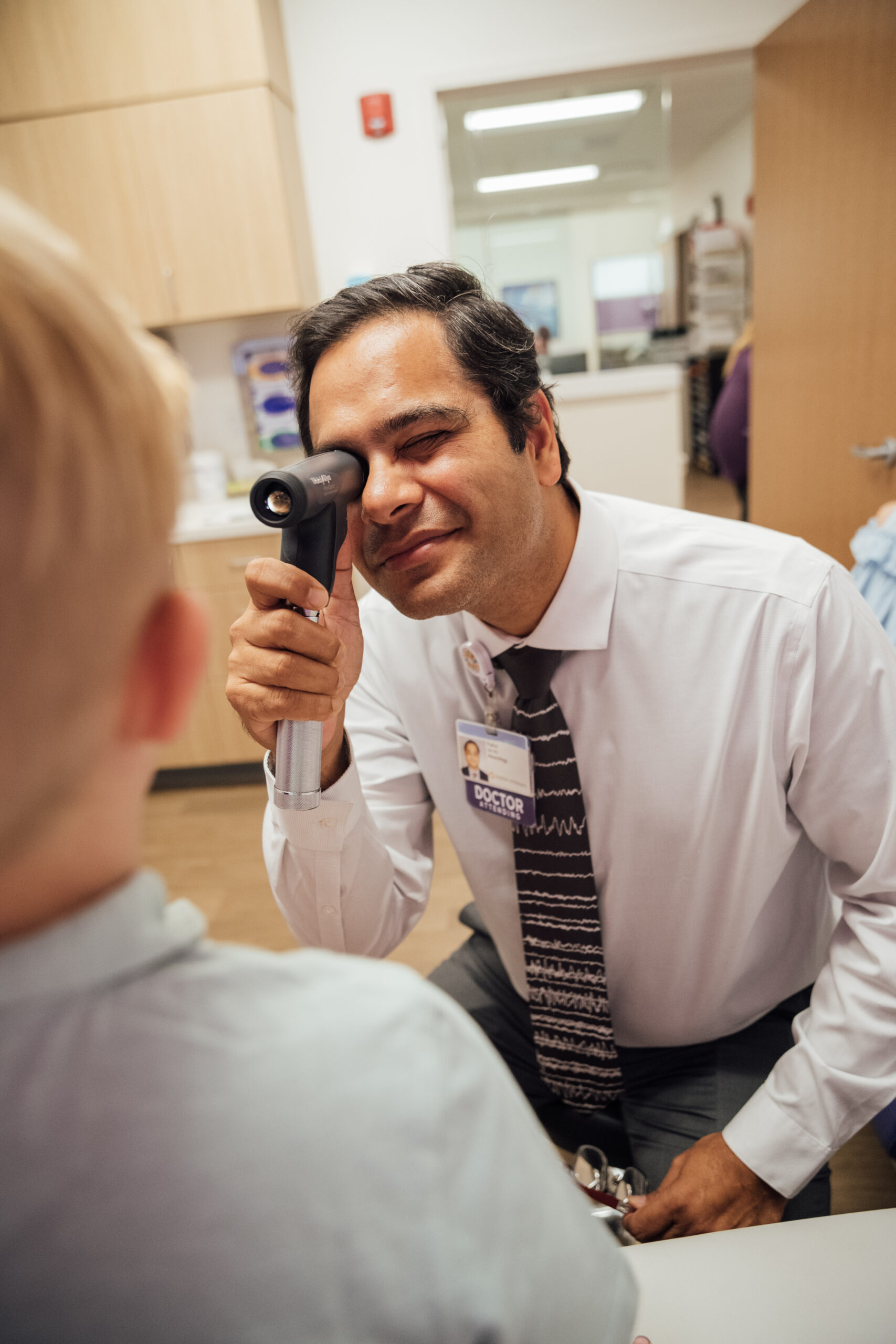
Your child may be referred to a neurologist if they are having the following symptoms:
- Seizures
- Headaches or migraines
- Weakness or numbness
- Delayed speech
- Difficulty with movement, balance or coordination
- Vision changes, dizziness, or hearing loss
diagnostic tests for neurological conditions
Dayton Children’s offers advanced testing to help our team diagnose neurological disorders and evaluate how well therapy is working. Some of the diagnostic testing includes:
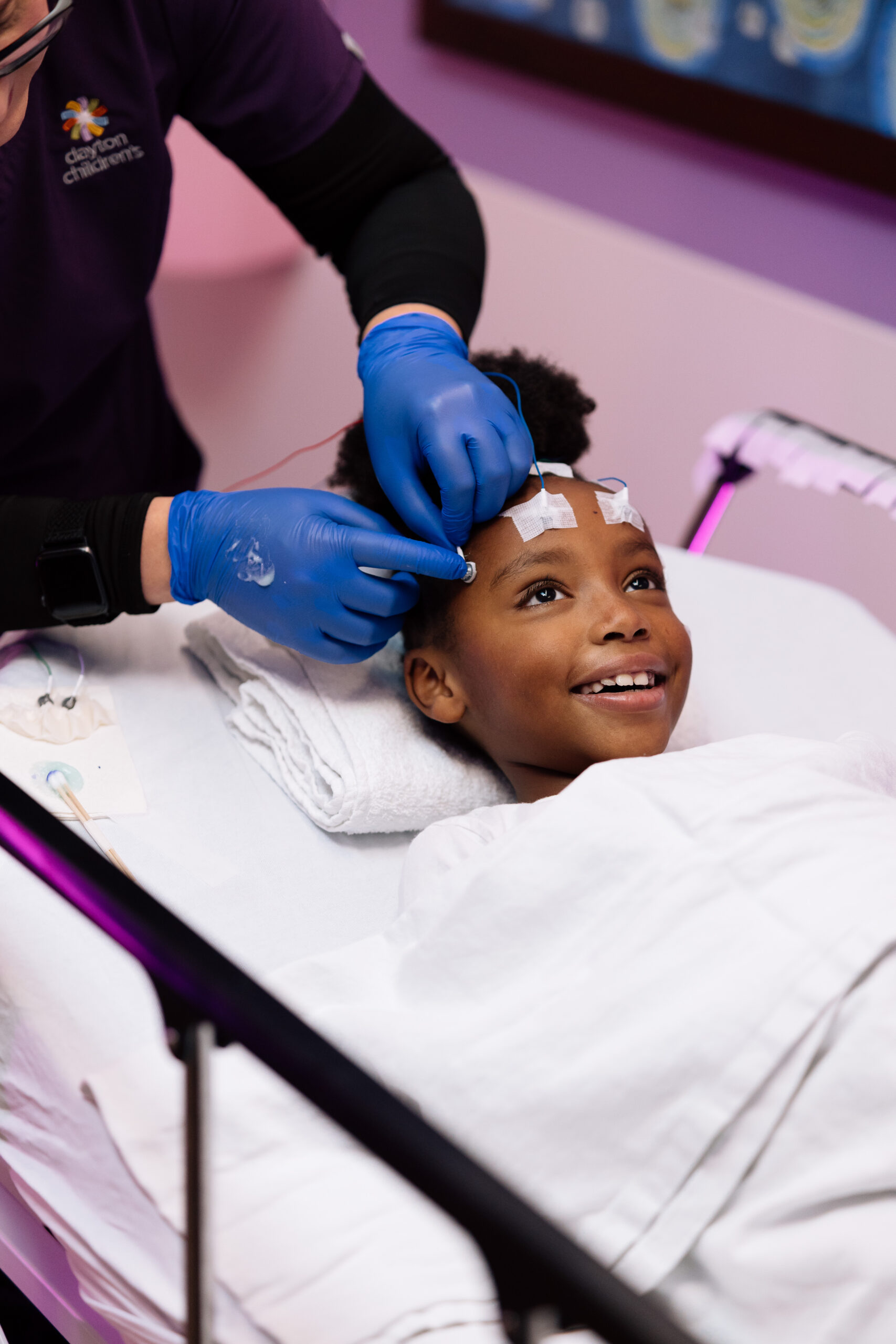
- Electroencephalogram (EEG) to measure and record the electrical activity of the brain. It can help in the diagnosis of conditions such as epilepsy and sleep disorders.
- Electromyogram (EMG) to record the electrical activity of muscles. It is used to diagnose nerve, muscle and spinal cord disease.
- Evoked potentials to measure the electrical signals to the brain that are generated by hearing, touch or sight. These tests can help confirm neurological conditions such as a brain tumor and spinal cord injury.
- Nerve conduction velocity tests to measure how electrical signals travel through the nerves. This test is used to detect nerve dysfunction.
our pediatric neurologists
Our pediatric neurology team includes board-certified and fellowship-trained providers, offering care tailored to infants, children and teens. With years of experience treating a wide range of neurological conditions, our team is committed to going above and beyond for your child. Meet our providers, and learn how we partner with you to support your child’s neurology care.
common pediatric neurology conditions we treat
Our pediatric neurology team provides diagnostic testing and care for the full spectrum of heart conditions in children and adolescents. We also offer a clinic for adults who have congenital heart disease.
- Aicardi syndrome
- Ataxias
- Autism Spectrum Disorder
- Batten disease
- Brain and spinal cord tumors
- Cerebral Palsy (CP)
- Choreoathetosis
- Chronic headaches
- Concussions
- Development delay
- Dysautonomia
- Dystonia
- Epilepsy
- Febrile seizures
- Fetal conditions
- Guillain-Barre syndrome
- Idiopathic intracranial hypertension
- Infantile spasms
- Learning disabilities
- Meningitis
- Mitochondrial disorders
- Movement disorders
- Muscular dystrophy and muscle disorders
- Myasthenia gravis
- Neurocutaneous disorders and syndromes
- Neurodegenerative diseases
- Neurodevelopmental disorders
- Neurofibromatosis
- Neurological disorders
- Neuromuscular disorders
- New onset seizures
- Peripheral nerve injuries
- Peripheral neuropathies
- Postural orthostatic tachycardia syndrome (POTS)
- Psychogenic non-epileptic Seizures (PNES)
- Rett
- Seizures
- Sleep disorders
- Spinal muscular atrophy
- Strokes
- Sturge-Weber
- tics or tourettes syndrome
- Tuberous sclerosis
pediatric neurology programs and clinics
Dayton Children’s neurologists are well trained in treating many different neurological disorders, including epilepsy, headaches and more.
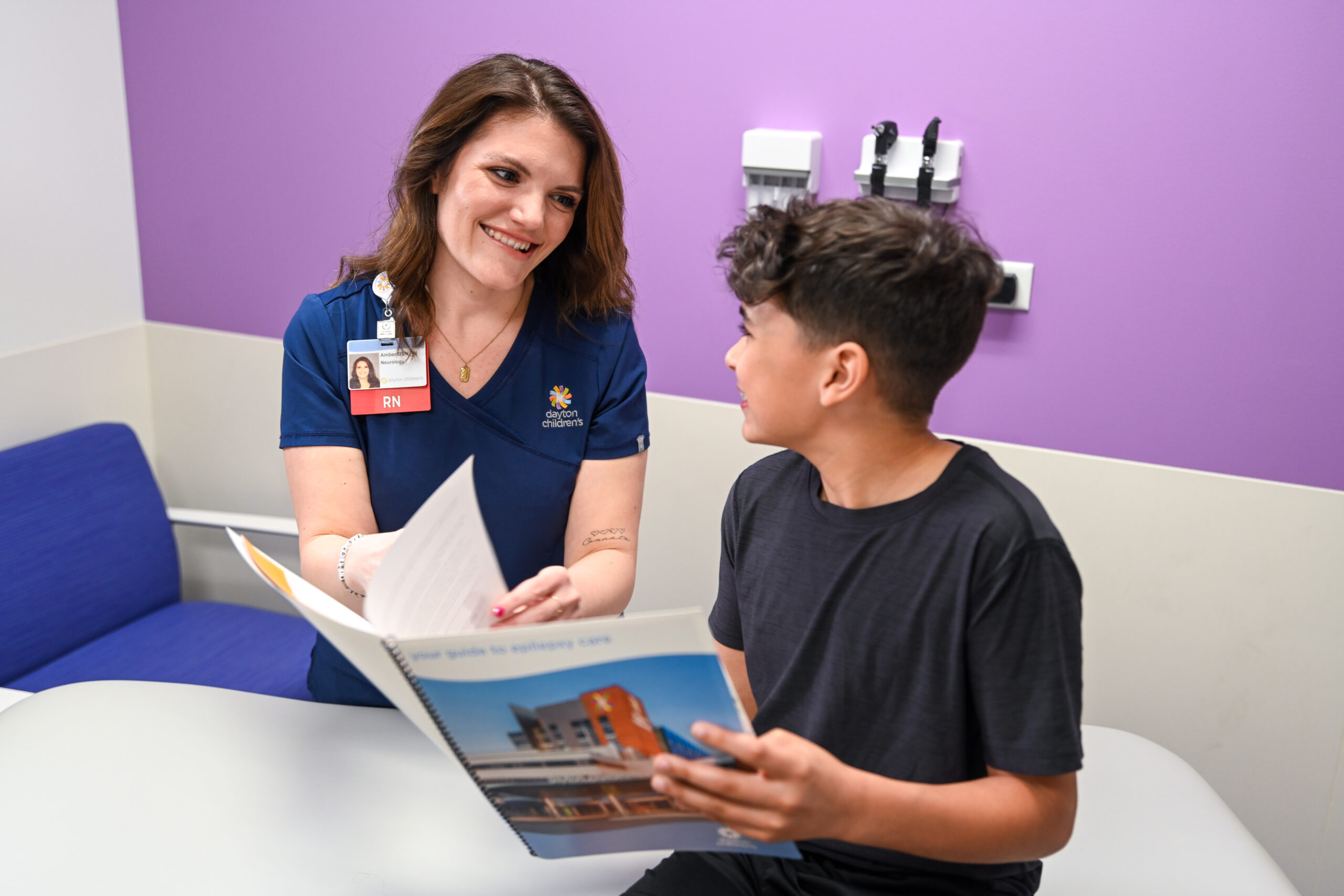
Dayton Children’s neurology department is accredited by the National Association of Epilepsy Centers (NAEC) as a level 4 epilepsy center – the highest level of epilepsy care. Whether your child has encountered their first seizure or have been diagnosed with epilepsy, Dayton Children’s Epilepsy Center provides a comprehensive approach to help your family understand the treatment options and what might work best for your child.
Some children and teenagers may have headaches that continue despite trying medications. Dayton Children’s Refractory Headache Clinic is for those who have chronic headaches that are not responding to medications or find that their headaches are significantly impacting school and their social life.
Movement disorders are characterized by abnormal movements such as tremor, chorea, athetosis, myoclonus, dystonia, ataxia, Parkinsonism, etc. Often these movements interfere with normal movements and interrupt normal everyday life. Movement disorders can be acute or chronic, acquired (brain injuries, medication side effects, various other medical conditions) or genetic.
During an appointment, you will meet with the neurologist who will do a thorough assessment of your child and learn about the medical history of your child. The neurologist may ask you to bring a video of the movements, or make a video of the movements while in the clinic. This helps the neurologist make a diagnosis. Your child may also be asked to write, carry objects, walk or run to help make the diagnosis. The neurologist will discuss the findings with you and develop a plan of care. This may include further testing, genetic evaluation or starting medication.
The classic ketogenic diet is a high-fat, low-carbohydrate, adequate protein diet that can be used to treat difficult-to-control seizures. The human body uses mostly carbohydrates for energy. When carbohydrates are not available for energy, the body can use fat for energy instead. The breakdown of fat for energy produces a waste product called “ketones.” The state of ketosis is often associated with improved seizure control. In the ketogenic diet program at Dayton Children’s, your child will be seen by the program’s physician and a dietitian. They will work with you to decide if this program would be a good fit for your child.
Sometimes children are born with a genetic disorder that causes abnormalities in the brain as well as skin. This is known as a neurocutaneous disorder, and there are several different types of syndromes. Sometimes children are diagnosed at birth, and sometimes it can take children several years to start to show signs and symptoms of this disorder.
pediatric neurology news and blogs
Stay informed with seasonal health tips, treatment updates and advice on pediatric neurology conditions.
pediatric neurology patient stories
It is stressful to be diagnosed with a new condition. Hearing from other families and having a trusted care team with you for the journey can make a big difference. Our patient stories highlight real experiences from parents and kids who’ve faced neurology challenges. See how they navigated care and found answers, in part thanks to our compassionate care team.
for your visit
Dayton Children’s neurology offers outpatient and inpatient care. Please see below to learn more about the differences between care types:
outpatient neurology care
If your child has neurological concerns, we know you want to see a specialist as soon as possible. Our pediatric neurology outpatient clinics quickly schedule appointments and diagnostic tests to minimize waiting. A physician referral is needed to make an appointment with our neurologists.
Communication is important in between appointments, and that is why our staff is committed to returning calls quickly, providing test results as soon as they are ready and checking in by phone, especially after a hospital stay.
prepare for your visit
For all visits to the neurology clinic please bring:
- Your insurance information and let us know of any changes. This impacts scheduling and completing imaging when prior authorizations are required.
- Any appropriate images (x-rays, MRI’s, CT scans) related to your condition not done at Dayton Children’s
- Any paperwork from healthcare providers who have treated you for this condition
- Any required forms for your school, the state or outside agency
- Any questionnaires you have been asked to complete
what to expect
When your child is referred to the neurology department at Dayton Children’s, our staff collects medical history information, past imaging studies and test results. This helps our pediatric neurology team prepare for your child’s first visit. Our pediatric neurology providers spend time with families to make sure they fully understand their child’s condition, the treatment options and what to expect during and after treatment.
We encourage families to enroll in MyKidsChart, a free, secure online health program that makes it easy to stay in touch with the care team, view their child’s medication information and receive important health reminders.
inpatient neurology care
Patients can be admitted to Dayton Children’s for a variety of neurological concerns, such as seizures, a traumatic brain injury, stroke or headaches. Our pediatric neurology team provides expert care for children who are hospitalized with a neurological condition, and exceptional follow-up after patients are discharged home.
during your stay
We know that a hospital stay can be stressful for your child and family. Our pediatric neurology team places a high priority on communication to ensure that families know what to expect, understand the treatment plan and get answers to all their questions.
Your child’s care team will include one of our neurologists and two inpatient clinical nurse coordinators. The neurologist may ask physicians from other specialty areas, such as neurosurgery or cancer care, to be part of the care team as well.
Families interact frequently with our caring and experienced neurology nurses. It is our goal to help your child and family feel as comfortable and relaxed as possible.
Our nurses also provide extensive education to prepare family members for the child’s return home. We call this discharge planning.
going home
We will schedule a follow-up appointment with you in the clinic for two to four weeks after discharge and work with school nurses to help them understand what your child will need when they go back to school.
After patients return home, our team continues to provide support and care. Our resource nurses are available by phone at 937-641-3080 from 8:00 am to 5:00 pm Monday through Friday. They can answer questions, call in pharmacy refills, verify insurance coverage, explain test results and much more.
- For after-hours emergencies, please call 937-641-3000 to reach the hospital’s operator and ask for the neurologist on call.
preparing for an EEG (electroencephalogram) test
If your child is scheduled for an EEG, we’re here to help you feel prepared every step of the way. An EEG is a safe, painless test that helps us understand how your child’s brain is working. At Dayton Children’s, we offer three types of EEGs–routine EEG, ambulatory EEG and epilepsy monitoring unit (EMU). Before the test, there are a few simple steps, like washing your child’s hair and avoiding certain medications, that help us get the best results. Plus, learn more about caring for your child after an EEG and getting their results.
pediatric neurology resources
The following resources are for families dealing with neurological conditions – some are our Dayton Children’s resources, others are local and national organizations that we recommend:
- Abilities First
- American Council for Headache Education
- Charlie Foundation to Help Cure Pediatric Epilepsy
- Dayton Children’s Epilepsy Facebook group
- EEG testing – how to prepare and what to expect
- Epilepsy Foundation
- National Headache Foundation
- International Rett Syndrome Foundation
- United Cerebral Palsy
- National Tourette Syndrome Association
- National Institute of Neurological Disorders and Stroke
- The Epilepsy Foundation of Western Ohio located in Huber Heights, offers resources and support groups for families affected by epilepsy. For more information call (937) 233-2500 or 1-800-360-3296.
neurology hours and locations
Our pediatric neurology team is here to support your child’s health at multiple convenient locations.
connect with a pediatric neurologist
Get care from Dayton Children’s neurology team. Whether it’s frequent headaches, seizures or difficulty with movement, we’ll help you get the answers and support you need. Schedule an appointment online or call 937-641-4000.