medical genetics

understanding medical genetics
Our genetics specialists help children and families understand health risks, guide testing, and provide support to manage or prevent genetic conditions.
Dayton Children’s medical genetics team is one of eight regional genetics centers supported by grants from the Ohio Department of Health. Our laboratories are CAP (College of American Pathologists) accredited, ensuring the highest quality testing.
We accept referrals for patients of any age with a personal or family history of birth differences or genetic disease. Children and adults receive diagnostic evaluation, genetic testing, and counseling on-site, by telehealth, or at one of several outreach locations. We also provide education to health care professionals, schools, and the community on a wide range of topics in human genetics.
genetics counseling and support
Our medical genetics team provides counseling, testing, diagnosis, and support across a range of specialized services for children, adults, and families.
- Preconception risk assessment – guidance and genetic counseling before pregnancy
- General genetics – comprehensive evaluation for genetic concerns, birth differences, or developmental delays
- Cancer genetics – assessment and counseling for families with hereditary cancer risks
- Connective tissue disorders – diagnosis, counseling, and referrals for connective tissue conditions
- Hereditary cardiovascular care – evaluation and support for inherited heart conditions
genetics laboratory services
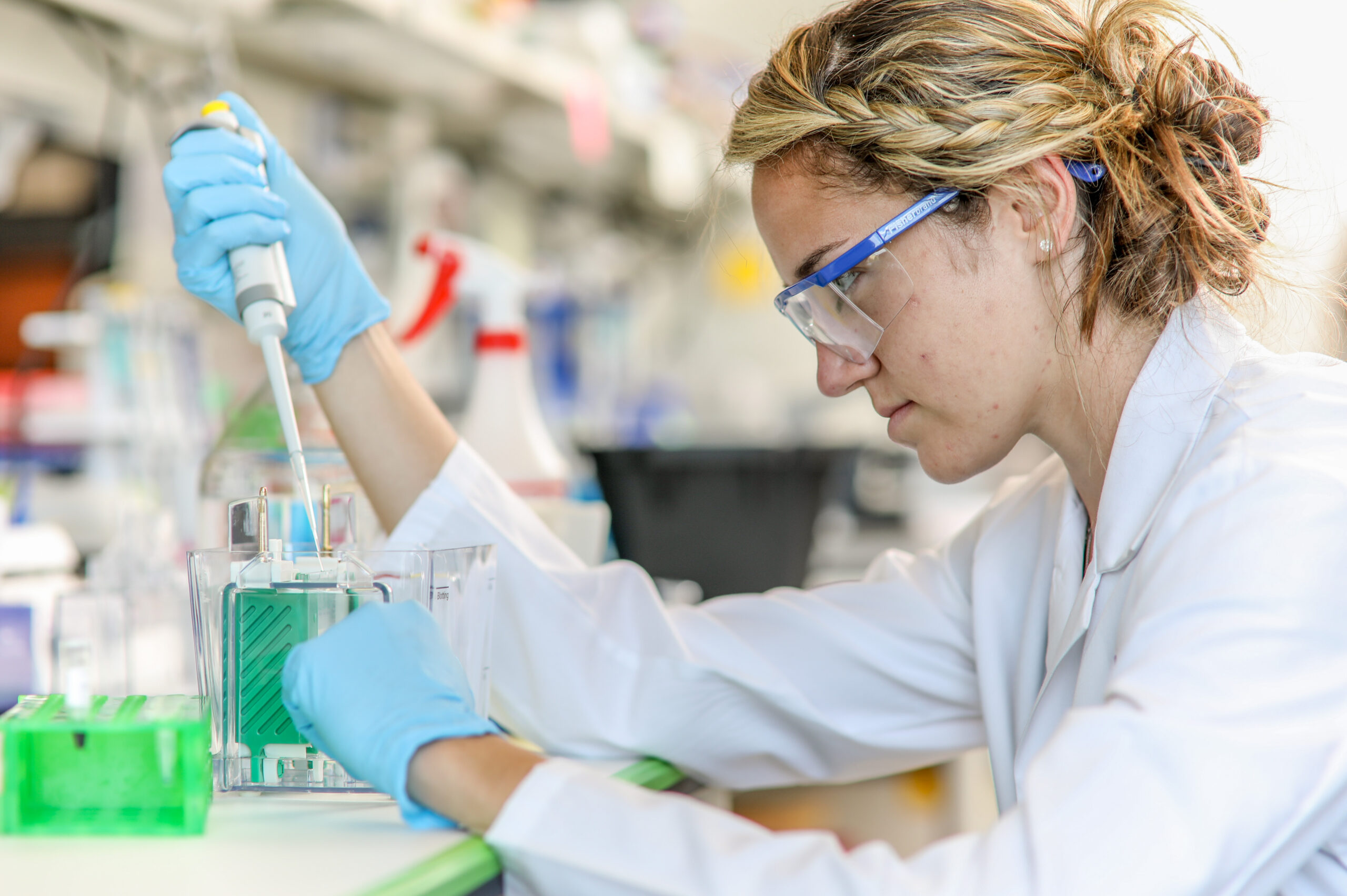
Our CAP-accredited genetics laboratory provides advanced testing to support diagnosis and treatment, including:
- Molecular (DNA) testing (in-house and send-out services)
- Plasma amino acid quantification
- Chromosome testing (karyotype)
- Fluorescent in situ hybridization (FISH)
- Chromosome microarray (CMA) testing
our genetics specialists
Our genetics team is a trusted resource for patients of any age with genetic concerns. Our experts offer services for children and adults at Dayton Children’s or our off-site locations, as well as providing education to healthcare professionals, students and the community.
conditions we treat
Our genes help make us unique. Inherited from our parents, they go far in determining our physical traits, like eye color and the color and texture of our hair. They also determine things like the amount of oxygen blood can carry, and the likelihood of getting certain diseases.
Our genetics specialists see patients of all ages, children and adults, at any time in the lifecycle and with any of the following conditions:
- Achondroplasia
- Adrenoleukodystrophy
- Alagille syndrome
- Albinism
- Alpha thalassemia
- Alpha-1 Antitrypsin Deficiency
- Alport syndrome
- Aneuploidy
- Angelman syndrome
- Aortopathy
- Arrhythmia
- Arrhythmogenic right ventricular dysplasia/cardiomyopathy
- Ataxia telangiectasia
- Autism Spectrum Disorder
- Bardet-Biedl Syndrome
- Beckwith Wiedemann syndrome
- Beta thalassemia
- Biotinidase deficiency
- Birt Hogg Dube syndrome
- Birth defects
- Brain malformations
- Branchiootorenal spectrum disorder
- Brugada syndrome
- Campomelic dysplasia
- Canavan disease
- Cardiofaciocutaneous syndrome
- Cardiomyopathy
- Charcot-Marie-Tooth disease
- CHARGE syndrome
- Chondrodystrophy
- Chromosome disorder
- Chronic Granulomatous Disease (CGD)
- Cleft lip and palate
- CLOVES syndrome
- Coffin-Lowry syndrome
- Coffin-Siris Syndrome
- Conductive hearing loss
- Congenital adrenal hyperplasia
- Congenital anomaly
- Congenital central hypoventilation syndrome
- Congenital disorders of glycosylation (CDG)
- Congenital heart defects
- Cornelia de Lange syndrome
- Costello syndrome
- Craniosynostosis
- Cystic Fibrosis
- Deformity, congenital
- Developmental delays
- Diamond-Blackfan Anemia
- Diastrophic dysplasia
- DiGeorge syndrome (22q11.2 deletion syndrome)
- Dilated cardiomyopathy (myocarditis)
- Down syndrome
- Dravet syndrome
- Duchenne muscular dystrophy
- Dyskeratosis congenita
- Dystonia
- Dystrophinopathies
- Ehler-Danlos syndrome
- Emanuel syndrome
- Emery-Dreifuss Muscular Dystrophy
- Epidermolysis bullosa
- Fabry disease
- Factor V Leiden thrombophilia
- Familial adenomatous polyposis (FAP)
- Familial dysautonomia
- Familial hemiplegic migraine
- Familial hypercholesterolemia
- Familial mediterranean fever
- Family history of genetic disease
- Fanconi Anemia
- Fetal alcohol spectrum disorders
- Fetal conditions
- FH Tumor predisposition syndrome
- Fragile X syndrome
- Friedreich ataxia
- Fumarate hydratase deficiency
- G6PD deficiency
- Galactosemia
- Gaucher disease
- Genetic cervical spine conditions
- Glycogen Storage Diseases
- Hearing loss
- Hemihyperplasia or hemihypertrophy
- Hemophilia
- Hereditary arrhythmias
- Hereditary ataxia
- Hereditary breast ovarian cancer (HBOC)
- Hereditary dystonia
- Hereditary hemochromatosis
- Hereditary hemorrhagic telangiectasia
- Hereditary Pancreatitis
- Hereditary pheochromocytoma paraganglioma
- Hereditary retinoblastoma
- Holt-Oram syndrome
- Hunter syndrome (Mucopolysaccharidosis Type II)
- Huntington disease
- Hurler syndrome
- Hypertrophic cardiomyopathy (HCM) and other hereditary cardiomyopathies
- Hypochondroplasia
- Hypohidrotic ectodermal dysplasia
- Hypophosphatasia
- Jackson-Weiss syndrome
- Joint hypermobility syndrome (benign)
- Joubert syndrome
- Juvenile polyposis syndrome
- Kabuki syndrome
- KCNB1-related disorders
- KCNC1-related disorders
- KCNQ2-related epilepsies
- Klinefelter Syndrome
- Krabbe disease
- L1 Syndrome
- Legius syndrome
- Li-Fraumeni syndrome
- Limb differences
- Loeys-Dietz syndrome
- Long QT syndrome
- Lynch syndrome
- Malignant hyperthermia susceptibility
- Maple syrup urine disease
- Marfan syndrome
- MCAD deficiency
- MELAS
- MERRF
- Metaphyseal chrondrodysplasia
- Miller dieker syndrome
- Mitochondrial disorders
- Mixed hearing loss
- Multiple Endocrine Neoplasias (MEN)
- Multiple epiphyseal dysplasia
- MUTYH Associated Polyposis (MAP)
- Myotonia congenita
- Myotonic dystrophy
- Nail-Patella syndrome
- Neural hearing loss
- Neurofibromatosis
- Noonan Syndrome
- Oral-Facial-Digital syndrome
- Osteogenesis imperfecta
- OTC deficiency
- Pallister-Killian syndrome
- PCDH19-epilepsy
- Pendred syndrome
- Periodic paralysis (hypokalemic, hyperkalemic)
- Peutz-Jeghers syndrome
- Phelan-McDermid syndrome
- Phenylketonuria (PKU)
- Polycystic kidney disease
- Pompe disease
- Porphyria
- Prader-Willi Syndrome
- Primary ciliary dyskinesia
- Proteus syndrome
- Prothrombin-related thrombophilia
- PTEN hamartoma tumor syndrome
- RASopathies
- Robinow syndrome
- Russell Silver syndrome
- Sanfilippo syndrome
- Schwannomatosis
- SCN2A-related disorders
- SCN3A-related neurodevelopmental disorders
- SCN8A-related epilepsy
- Sickle cell disease
- Smith-Lemli-Opitz syndrome
- Smith-Magenis syndrome
- Sotos syndrome
- Spastic paraplegia
- Spina bifida (myelomeningocele)
- Spinal muscular atrophy
- Spinocerebellar ataxia
- Spondyloepiphyseal dysplasia (SED)
- Stickler syndrome
- Sturge-Weber syndrome
- STXBP1-related disorders
- Tay Sachs disease
- Townes-Brocks syndrome
- Translocation
- Treacher Collins syndrome
- Triple X syndrome
- Trisome 13
- Trisome 18
- Tuberous sclerosis
- Turner Syndrome
- Tyrosinemia
- Urea cycle disorders
- Usher syndrome
- VATER VACTERL
- VLCAD deficiency
- Von Hippel Lindau disease
- Von Willebrand disease
- Waardenburg syndrome
- Williams syndrome
- Wilson disease
- Wiskott-Aldrich syndrome
- WT1-related Wilms Tumor predisposition
- Xeroderma pigmentosum
- XYY
- Zellweger syndrome
programs & clinics
metabolic clinic
Our board-certified biochemical geneticists work alongside our nurses and metabolic dietitians to diagnose, treat, and prevent metabolic disorders. We provide follow-up care for abnormal newborn screening results, ongoing management for children and adults with confirmed metabolic conditions, and nutrition planning tailored to each patient’s needs. For children requiring enzyme replacement therapy or other advanced treatments, our team coordinates care and provides long-term monitoring to support their health and quality of life.
fetal care medicine
Specialists at Dayton Children’s work closely with physicians throughout our community to provide the best possible care for babies during pregnancy and in the early stages of life.
When problems are detected during pregnancy, advanced diagnostic testing, genetic counseling and advanced treatment during pregnancy and after birth are available to you.. Many of our consults can be a virtual visit.
multidisciplinary care teams
Our genetics team collaborates with other specialists at the hospital to ensure that each child receives comprehensive, coordinated care, including the following programs and clinics.
- Myelomeningoceal (spina bifida) clinic
- Cleft lip and cleft palate program
- Hemostasis and thrombosis center
- Sickle cell center
- Long term follow up for childhood cancer survivors
- Neuro-oncology care
- Cystic Fibrosis center
- Neurocutaneous clinic
community education presentations
Dayton Children’s is committed to helping improve the health status of all children in our community. Part of these efforts include supporting community partners through education and outreach. Many of our programs are now available on video and can be provided virtually through various video conference platforms.
Request an education presentation by filling out our form or contact our genetics health educator at 937-641-3800 for educational resources or to schedule a visit with our community outreach specialist. Our genetic counselors and physicians are available to present to nurses, PAs, physicians and other health care providers on any topic of interest in genetics.
presentations for schools & other community partners
Topics include genetic causes of birth defects and introduces common multifactorial birth defects due to complex inheritance. We will focus on the importance of making great choices for our health and how that could impact future generations. Healthy habits formed now lead to healthy offspring later and will help reduce Ohio’s infant mortality rate.
Only five drops of blood are needed to identify babies at risk for many serious medical conditions, many of which are genetic. Identifying and treating these conditions early in a baby’s life can prevent lifelong disabilities, and possible death. Learn more about the history of newborn screening and how it can save a baby’s life.
Importance of family health history: Genomics plays a role in many diseases. An individual’s genetic makeup may put them at higher risk than the general population, but their lifestyle and environment also play a role. Collecting family health history is the first step towards identifying risk. Learn more about how to collect and share this important information.
According to the CDC, sickle cell disease is one of the most common single gene disorders worldwide and affects more than 100,000 individuals in the United States. In this program, we will focus on various aspects of sickle cell disease including the underlying genetic causes, complications, and management of the disease. This program is provided through collaboration with the West Central Ohio Comprehensive Sickle Cell Center located in the Division of Hematology at Dayton Children’s.
Fetal alcohol spectrum disorder (FASD) is a term used to describe a group of conditions that can occur in a person who was exposed to alcohol during pregnancy. The range of effects include physical, mental, behavioral and/or learning disabilities. In this program, we will focus on the effects of alcohol on a baby’s development during pregnancy and discuss how FASDs can be prevented for future generations.
This program introduces careers in medical genetics, including the role of the medical geneticist, genetic counselor, nurse, cytogenetic and molecular laboratories. Through a combination of clinical photos and real-life case examples, students will understand how genetic conditions are diagnosed, treated and/or managed.
infant safe sleep & SIDS prevention, cancer genetics, cardiovascular genetics and more!
Our genetic counselors provide virtual programs throughout the year on important topics related to genetics. Contact Whitney at chilesw@childrensdayton.org to request an event schedule.
before your visit
Before you arrive, we ask that you pre-register for your visit by calling 937-641-4000 option 3. The pre-registration process allows our team to collect your insurance information required to obtain prior authorizations. Delaying or skipping this step may cause a delay in care or billing issues.
during your visit
Please allow 1 to 1.5 hours to cover registration time, your appointment, and lab time (if needed).
During your first visit with one of our genetic specialists, they may ask questions about medical conditions that run in your family, including birth defects, developmental delays, autism, cancer, cardiovascular disease and more. Before your visit, reach out to family members to collect information about your family’s health history. While collecting this history, please respect your family’s privacy – some individuals may not be comfortable sharing.
health information to collect:
- Important diagnoses as a child and as an adult
- Name of condition(s)
- Age of diagnosis
- Any cancer history
- Cardiovascular disorders
- Any health conditions present in multiple relatives across generations
- Age of onset
other information to collect:
- Age
- If deceased, age and cause of death
- Ethnicity, race
- Lifestyle and environmental factors
- Exposures that may have increased risk
Family health history can be stored as a list. To help record this information, use the CDC’s My Family Health Portrait tool.
after your visit – insurance coverage and prior authorization
Insurance coverage for genetic testing will be discussed with you at your appointment. During your appointment, the genetics provider will go over your personal and family history and will determine what type of testing is needed. However, please note that there are specific guideline requirements for genetic testing and you may or may not require testing. Testing involves a simple blood test or a spit test. No fasting or special instructions are required.
Prior authorization may be needed for genetic testing and your genetics provider will discuss prior authorization during or after your visit. We are unable to perform prior authorization for genetic testing prior to your appointment since most insurance companies require a genetics visit before authorization can be completed.
find more resources for your visit
Get checklists, resources, and helpful tips for before, during, and after your visit to Dayton Children’s—so you know exactly what to expect.
resources – genetics
Other organizations provide extensive educational materials for patients and families dealing with genetic conditions. Our specialists encourage families to find support through the following websites and organizations.
- Dayton Children’s preconception/prenatal screening tool
- Why it’s important to check your family’s medical history
- What is a genetic counselor?
- Genetics home reference
- US surgeon general family health history initiative
- National Society of Genetic Counselors (NSGC) patient resource
- March of Dimes preconception check up information
Tools:
MTHFR polymorphism genotyping
In the course of their healthcare journeys, some families may come across information about a gene called MTHFR. Sometimes families first learn about this by:
- doing a genetic test to help with medication management
- a doctor ordering testing for certain variations in this gene when there have been blood clots or the loss of a pregnancy
- doing research online
What is MTHFR polymorphism genotyping?
There are two particular changes in this gene – called C677T and A1298C – which are very common among the general population. In fact, more than 40% of Caucasian people will have one or two copies of the C677T variant! These variations are so common, we don’t think of them as a “mutation” in the genetics community. Instead, we call them “polymorphisms”. A polymorphism is a genetic variation that is so common it can be considered a typical human variation.
Because this change is so common, in the past it has been linked to multiple health problems, including blood clots, heart issues, pregnancy loss, psychiatric disease, vision issues, and more! As time has gone by, we’ve learned that these health issues aren’t directly tied to these changes in the MTHFR gene, but just happened to show up in studies because so many participants have these polymorphisms.
misinformation about MTHFR
Unfortunately, a lot of online information about these variations can sometimes be misleading. Many families want answers to their health concerns. In the process of trying to figure out what’s going on, they might come across social media or websites that are being guided by older, outdated research. There are even some that try to profit from people who have these variations! Because of this, it’s very important to be careful about what information families rely on regarding MTHFR.
what you should know about MTHFR
The American College of Medical Genetics has an official position on testing for these polymorphisms can be found here. In general, genetics healthcare providers will advise against testing for these particular polymorphisms outside of specific circumstances
hours & locations – medical genetics
Our team is here to support your child’s health at multiple convenient locations.
next steps for care
If you think your child may benefit from a genetics evaluation and testing, talk with your primary care provider about a referral to medical genetics at Dayton Children’s.