when to be concerned about a sprain
Sprains are a common type of injury in children, especially those who are active in sports or outdoor play. They occur when a ligament, the tough, fibrous tissue that connects two bones, is stretched or torn. While many sprains heal with proper home care, some may require professional treatment. Knowing when to seek medical help is essential for healing a sprain properly and avoiding long-term issues.
what is a sprain?
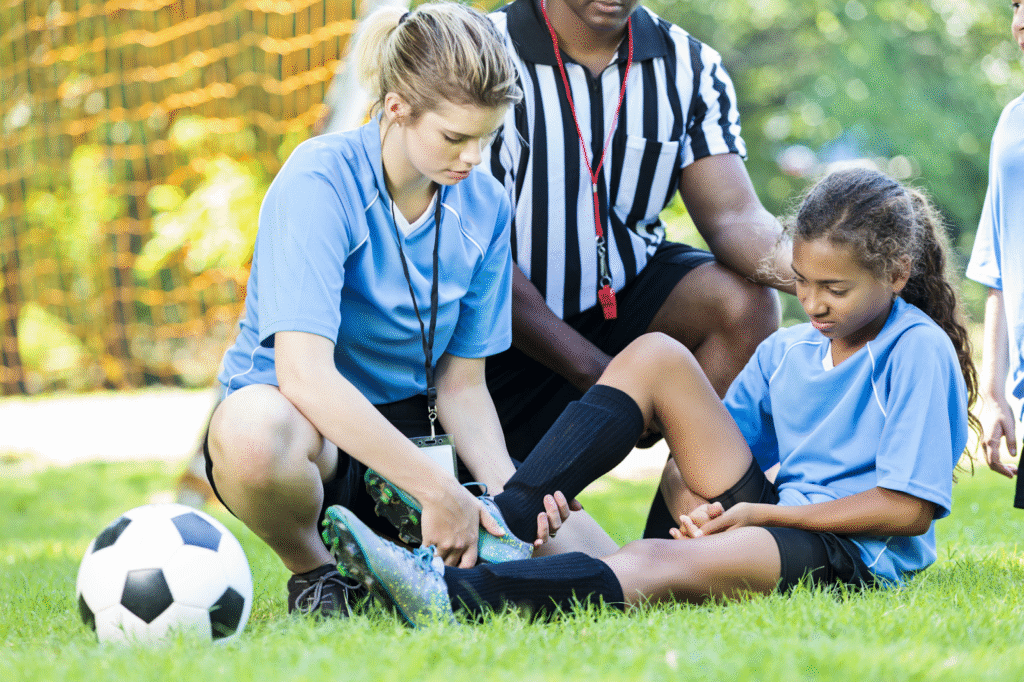
Strains are injuries to muscle due to overstretching like a common hamstring strain, while sprains involve a stretch or a partial tear of ligaments (which connect two bones) or tendons (which connect muscle to bone) such as the ACL in the knee. These injuries most frequently affect the ankles, knees and wrists in children and teens.
A sprained ankle is especially common, occurring when the foot rolls or turns inward. A wrist sprain can happen when a child falls and instinctively puts their hands out to catch themselves. These types of injuries are frequent in physically active kids, especially those who participate in sports, gymnastics or playground activities.
symptoms of a sprain in children
Identifying the signs of a sprain early can help ensure proper treatment and avoid worsening the injury. The most common signs and symptoms of a sprain include:
- Pain around the affected joint
- Swelling or puffiness at the site
- Bruising or discoloration
- Warmth or redness over the injured area
- Limited ability to move or bear weight on the joint
- A “popping” sensation or sound at the time of injury
In more severe cases, a joint may appear misaligned or unstable, especially if there’s a complete ligament tear.
causes of a sprain in kids
There are several common causes of a sprain, especially among children and teenagers. The most frequent sprains and strains causes in kids include:
- Falling on an outstretched hand (leading to a sprained wrist)
- Twisting the ankle while running, jumping, or changing direction quickly
- Colliding with another player or object during sports
- Overstretching a joint beyond its normal limits
- Walking or playing on uneven surfaces
Children who haven’t developed proper coordination or balance yet may be at increased risk, as are those who don’t warm up before physical activity.
treatment of a sprain
If you suspect your child has a sprain, begin treatment immediately. Most mild to moderate sprains can be managed at home with basic first aid. The gold standard for healing a sprain is the R.I.C.E. method:
rest
Encourage your child to stop all activity involving the injured joint. Avoid putting weight on the area and allow time for healing.
ice
Apply an ice pack or cold compress (wrapped in a towel) to the injured area for 15–20 minutes at a time, four to eight times a day. This helps reduce swelling and relieve pain.
compression
Use an elastic bandage or compression wrap to support the joint. This limits swelling and provides some stability.
elevation
Raise the injured limb above heart level as often as possible. Elevating the area helps reduce swelling and promote circulation.
Over-the-counter medications like ibuprofen or acetaminophen can help relieve discomfort, but always follow dosing instructions for children.
how long does a sprain take to heal?
The healing time for a sprain varies depending on the severity of the injury and the specific joint affected.
- Mild sprains (grade 1): Usually heal within 1 to 2 weeks with R.I.C.E. and limited activity.
- Moderate sprains (grade 2): Can take 3 to 6 weeks to heal and may require physical therapy.
- Severe sprains (grade 3): May need immobilization in a brace or cast and sometimes even surgical intervention. These sprains can take several months to heal.
Follow-up care, including physical therapy, may be recommended to strengthen the joint and prevent reinjury.
preventing sprains in kids
Although not all sprains can be prevented, there are ways to reduce your child’s risk:
- Encourage warm-ups before sports or physical play
- Teach proper techniques for landing, jumping and changing directions
- Provide supportive footwear with good traction
- Supervise play on uneven or risky surfaces
- Ensure that your child is using age-appropriate sports gear
A strong focus on fitness, balance and flexibility can also help lower the likelihood of a sprain.
what type of injury is a sprain?
A sprain is a ligament injury that occurs when the tissue connecting bones in a joint is stretched or torn. It’s different from a strain, which affects muscles or tendons.
do sprains bruise?
Yes. Bruising is common with sprains, especially moderate to severe ones. It results from small blood vessels breaking due to ligament damage.
when to seek specialist care
Not all sprains can be treated at home. You should contact a pediatric sports medicine provider if your child experiences any of the following:
- Intense or worsening pain when the joint is touched or moved
- Inability to bear weight or use the joint at all
- Significant bruising or swelling that continues to spread
- Numbness, tingling or a sensation of “pins and needles”
- A joint that looks deformed, bent, or misaligned
- Signs of infection (red streaks, heat, or pus)
- The sprain doesn’t seem to improve after 5 to 7 days of at-home care
If you’re concerned about your child’s sprain or joint sprain, don’t wait to get help. At Dayton Children’s, our sports medicine specialists are trained to assess and treat pediatric sprains of all kinds, from a sprained wrist to a sprained ankle, and guide your child through a safe and complete recovery.
related posts



worried about a symptom? we’re here to help.
From everyday issues like coughs or pink eye to more serious concerns like diabetes or asthma, we help you understand what’s typical — and when to be concerned or find care now. Get expert guidance on your child’s symptoms and conditions from your trusted partner in pediatric care.