when to be concerned about an overuse injury
table of contents:
- what is an overuse injury?
- symptoms
- causes
- treatments
- healing time
- prevention
- shin splints
- 4 stages of overuse
- when to seek help
Student athletes today are more active than ever. With packed schedules filled with daily practices, games and training, they’re pushing their bodies to perform at a high level. While staying active is important for overall physical and emotional health, it also increases the risk of overuse injuries, especially when recovery time is overlooked.
We spoke with Lora Scott, MD, chief of sports medicine at Dayton Children’s Hospital, to answer common questions like: what is an overuse injury? What causes them? And when should you take your child’s symptoms seriously?
what is an overuse injury?
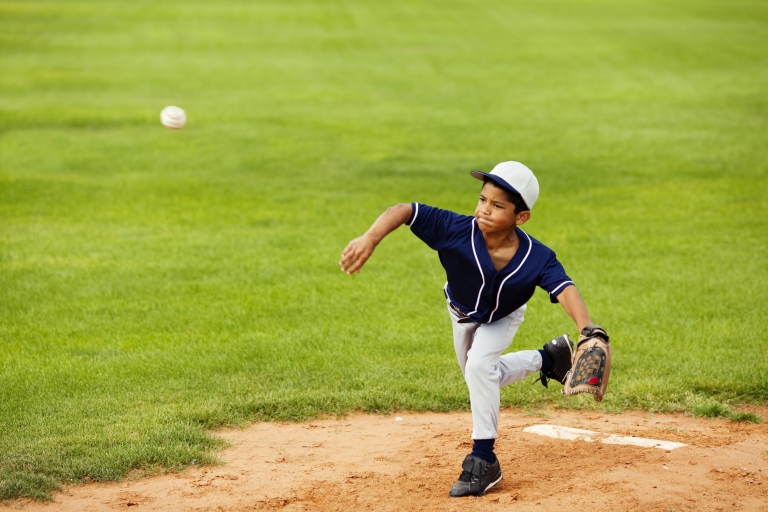
An overuse injury happens when repetitive stress is placed on a bone, tendon or muscle without giving the body enough time to rest and heal. Unlike acute injuries that result from a single traumatic event (like a fall or a collision), overuse injuries develop gradually over time. These microtraumas can cause inflammation and damage, which worsen with continued activity.
Pediatric overuse injuries are especially common in young athletes who specialize in one sport year-round, perform repetitive motions (like pitching, running or swimming), or increase their activity levels too quickly.
Factors that contribute to overuse injuries in children include:
- Age and stage of physical development
- Poor technique or body mechanics
- Lack of conditioning or flexibility
- Inadequate rest between workouts
- Improper equipment or footwear
Common types of overuse injuries in kids include:
- Knee overuse injury
- Shoulder overuse injury
- Ankle overuse injury
- Foot overuse injury
symptoms of an overuse injury in children
Telling the difference between “good” pain (normal soreness) and “bad” pain (injury) isn’t always easy, especially at first. Both types of pain can feel similar in the beginning. However, the key difference is in how the pain behaves over time.
Signs of a potential overuse injury include:
- Mild pain during or after exercise that worsens with time
- Pain that begins earlier in activity and lingers afterward
- Limping or favoring one side
- A noticeable change in technique due to discomfort
- Slower performance or frequent breaks during practice
- Pain that persists even during rest or routine daily activities
If your child is regularly expressing pain, especially in one area like the knee, ankle, foot or shoulder, and that pain increases with activity, it may indicate an overuse injury.
causes of overuse injuries in youth sports
Overuse injuries in youth sports are commonly caused by:
- Repetition: Repeating the same motion (e.g., throwing, running, jumping) over and over without enough recovery.
- Early specialization: Kids who play one sport year-round are more likely to stress the same muscle groups continuously.
- Training errors: Increasing intensity, frequency or duration too quickly can overload the body.
- Poor technique: Without proper form, children are more likely to put stress on the wrong joints or muscles.
- Fatigue: Tired muscles offer less support, increasing strain on bones and tendons.
treatments of overuse injuries
The first step in the treatment of overuse injuries is reducing or stopping the activity causing the problem. Depending on the severity, a child may need a few days to several weeks of rest.
conservative treatment options include:
- Rest: Taking a break allows the body to repair microscopic damage.
- Ice therapy: Apply ice to reduce pain and inflammation.
- Physical therapy: A pediatric physical therapist can teach strengthening and stretching exercises to prevent recurrence.
- Activity modification: Cross-training and sport rotation can reduce repetitive strain.
medical evaluation
In some cases, further testing like imaging or lab work is needed to rule out other conditions that mimic overuse injuries. This is especially true for pain that is severe, persistent or unrelated to activity.
At Dayton Children’s, our pediatric sports medicine team works closely with young athletes to ensure they stay safe, strong and supported in their goals.
how long does it take an overuse injury to heal?
Healing time varies based on the type and severity of the injury. Mild pediatric overuse injuries may resolve within a few weeks of rest and activity modification. More serious cases can take several months and may require physical therapy.
It’s important not to rush the healing process. Returning to play too early increases the risk of reinjury and long-term damage.
how can you prevent overuse injuries?
Preventing overuse injuries starts with proper training habits and body awareness. Here are some tips:
- Encourage variety: Avoid early specialization in one sport. Mix up activities to engage different muscle groups.
- Follow the 10% rule: Don’t increase training intensity or duration by more than 10% per week.
- Use proper gear: Make sure your child has appropriate footwear and equipment for their sport.
- Emphasize rest: Schedule at least 1-2 days off per week and take breaks between sports seasons.
- Listen to the body: Teach kids to speak up when they feel pain and stop before injury occurs.
- Warm up and cool down: Regular stretching and warm-ups can improve flexibility and reduce strain.
are shin splints an overuse injury?
Yes, shin splints are a common type of overuse injury, especially in runners and athletes who play on hard surfaces. They cause pain along the front or inner edge of the shinbone (tibia) and often result from overtraining, improper footwear or poor running mechanics.
Treating shin splints involves rest, icing, stretching and sometimes a change in shoes or training surface. If pain persists, a medical evaluation is important to rule out stress fractures.
what are the four stages of an overuse injury?
The progression of an overuse injury can typically be broken down into four stages:
- Discomfort after activity – no performance limitations.
- Discomfort during activity – no impact on performance.
- Pain during activity – performance begins to decline.
- Chronic pain – pain persists during rest and daily activities.
Early intervention at stage 1 or 2 can often prevent the injury from progressing to more serious stages.
when to seek help for an overuse injury
If your child is experiencing any of the symptoms listed above and rest isn’t helping, it’s important to see a pediatric sports medicine provider. Persistent pain, difficulty walking or pain that interferes with daily life warrants a closer look.
Schedule an appointment online with one of our sports medicine specialists or call 937-641-4000.
related posts

worried about a symptom? we’re here to help.
From everyday issues like coughs or pink eye to more serious concerns like diabetes or asthma, we help you understand what’s typical — and when to be concerned or find care now. Get expert guidance on your child’s symptoms and conditions from your trusted partner in pediatric care.