when to be concerned about frequent urination
Frequent urination can be confusing and frustrating for parents, especially when it seems like your child is constantly asking to go to the bathroom, even without drinking more fluids than usual. While many causes are benign and short-lived, persistent or sudden changes in your child’s bathroom habits could point to an underlying issue worth exploring.
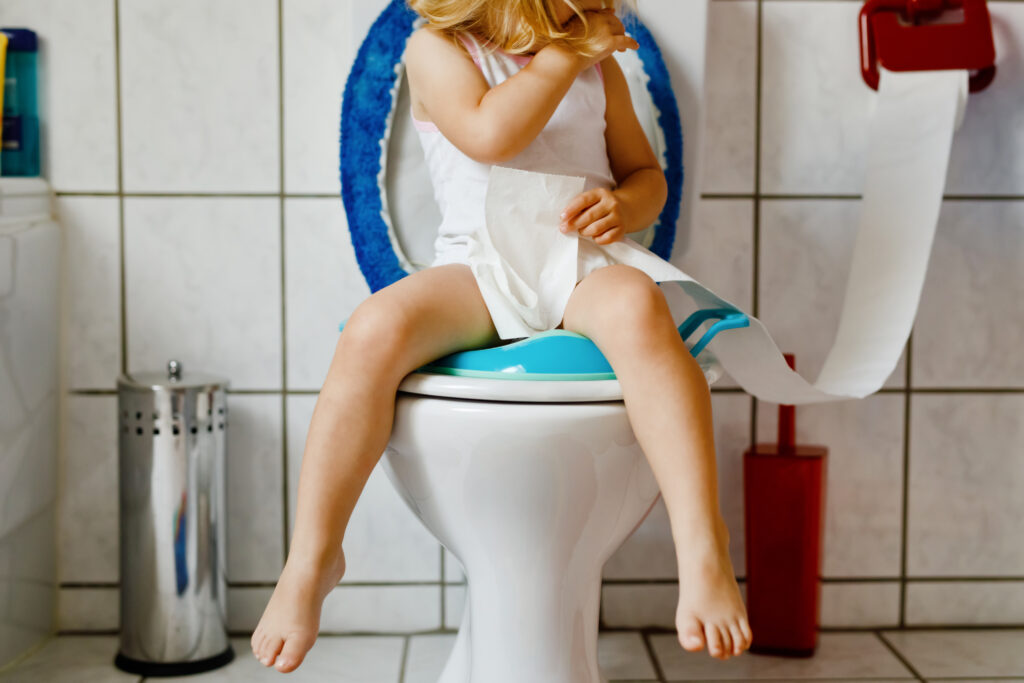
what is considered frequent urination in children?
There’s no one-size-fits-all answer for how often a child should urinate. Age, activity level, hydration and even temperature can influence how often they go. That said, most children urinate anywhere from four to seven times per day.
If your child is suddenly needing to go every hour (or more often), waking up multiple times at night to pee or having trouble making it to the bathroom in time, it may be considered frequent urination.
Keep in mind that occasional changes are common. But if the pattern lasts more than a few days or starts to interfere with daily life, it’s time to pay closer attention.
common causes of frequent urination in kids
Frequent urination can be linked to a wide range of causes, some temporary and others that require treatment. These include:
- Urinary tract infections (UTIs): Especially in younger children, UTIs can cause increased urgency, discomfort or even accidents. Look for other signs like pain while urinating, cloudy or foul-smelling urine, or fever.
- Diabetes: Both type 1 and type 2 diabetes can cause children to urinate more often as the body tries to flush out excess glucose. Other signs may include extreme thirst, unexplained weight loss or fatigue.
- Constipation: A full rectum can press on the bladder, triggering frequent urges to urinate, even if the bladder isn’t full.
- Overactive bladder: Some kids have bladders that signal the need to empty more frequently than normal, even when there’s not much urine present.
- Daytime urinary frequency syndrome (pollakiuria): This condition often appears in school-aged children, usually due to stress or anxiety. It’s harmless and typically resolves on its own.
- Irritants: Bubble baths, soaps or even certain foods can irritate the bladder lining and increase urination.
- Diabetes insipidus: This is a rare condition where the body doesn’t properly regulate fluids, leading to excessive urination and thirst.
how often is too often?
Every child’s bladder is different, but there are some general guidelines. A child over age 3 who is urinating more than eight times per day, or waking up to urinate more than once per night, may be going too often.
Frequent urination becomes more concerning if your child:
- Has accidents after being toilet-trained
- Complains of pain, pressure or discomfort while urinating
- Has blood in the urine
- Experiences a sudden or dramatic increase in frequency
- Shows signs of fatigue, weight loss or excessive thirst
when to seek medical attention
If frequent urination lasts longer than a week, or if it’s accompanied by other unusual symptoms, you should reach out to your child’s pediatrician. You don’t need to wait for multiple accidents or infections to reach out, early evaluation can help rule out (or treat) conditions before they progress.
You should also contact your pediatrician right away if your child:
- Experiences frequent UTIs
- Has known kidney or bladder problems
- Has been treated for a urinary issue before and symptoms return
- Is over age 5 and still has trouble staying dry during the day
- Has underlying health issues, such as diabetes
what to track before your appointment
If your child’s urination pattern is changing, it can be helpful to bring notes to your pediatrician. Consider keeping a log of:
- How many times your child urinates each day
- Any nighttime accidents or bedwetting
- Fluid intake (types and amounts)
- Any noticeable triggers or changes in routine
- Associated symptoms (fever, urgency, pain, etc.)
This information can help your pediatrician get a clearer picture of what’s going on and may reduce the need for invasive tests.
treatment options for frequent urination
Treatment depends on the root cause. After a thorough evaluation, your child’s pediatrician may recommend:
- Urinalysis or imaging: To check for infections, bladder issues or kidney abnormalities.
- Timed voiding strategies: For conditions like overactive bladder or post-UTI habits, your child may be asked to urinate on a schedule to help retrain the bladder.
- Hydration and dietary changes: Reducing bladder irritants like citrus, caffeine or artificial dyes can make a difference.
- Medication: If frequent urination is linked to an underlying medical condition like diabetes or a UTI, medication may be needed.
- Stress management techniques: For kids with pollakiuria or anxiety-related urinary changes, behavioral strategies and counseling may help.
- Specialist care: A pediatric urologist can offer specialized diagnostics and support for more complex or recurring issues.
pediatric urology care at Dayton Children’s Hospital
You may be referred to see a pediatric urologist. At Dayton Children’s, our urologists specialize in diagnosing and treating bladder and urinary conditions in infants, children and teens, using age-appropriate approaches that put your child’s comfort first.
If your child is urinating too often or you’re unsure what’s normal, don’t wait to get help. Schedule an appointment online or call 937-641-4000.
related posts



worried about a symptom? we’re here to help.
From everyday issues like coughs or pink eye to more serious concerns like diabetes or asthma, we help you understand what’s typical — and when to be concerned or find care now. Get expert guidance on your child’s symptoms and conditions from your trusted partner in pediatric care.