when to be concerned about an ACL injury
The anterior cruciate ligament (ACL) is a crucial part of the knee that helps stabilize the joint during activities like running, jumping and pivoting. Unfortunately, ACL injuries are becoming increasingly common in children and adolescents, especially those involved in sports. Understanding the signs, symptoms, causes and treatments of pediatric ACL injuries is essential for parents to ensure their child gets the appropriate care at the right time.
what is an ACL injury?
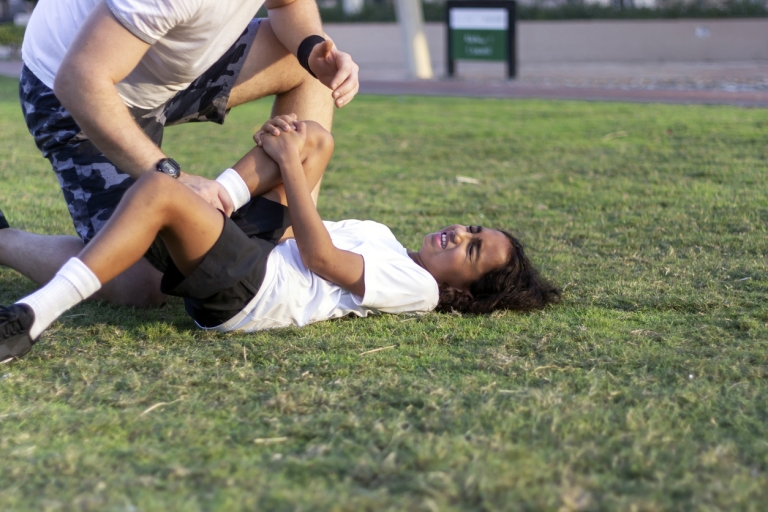
The ACL is a strong band of tissue that connects the thigh bone (femur) to the shin bone (tibia) in the knee. It prevents the knee from sliding forward and helps keep the knee stable during twisting motions. An ACL injury occurs when this ligament is stretched, partially torn or completely ruptured. While ACL injuries are often associated with adults, they can affect children and teens, particularly those who participate in high-impact sports like soccer, basketball and football.
symptoms of ACL injuries in children
Recognizing the signs of an ACL injury can be challenging, especially since children may not always be able to describe exactly what they’re feeling. However, there are several common symptoms of an ACL injury that parents should watch for:
- Pain: Severe pain in the knee, often accompanied by swelling, is one of the most prominent signs of an ACL injury. Your child may experience discomfort immediately after the injury or as the swelling worsens.
- Swelling: Swelling usually develops within a few hours of the injury and is one of the clearest indicators that something is wrong.
- Instability: Children with ACL injuries may complain that their knee feels unstable, like it might “give out” or buckle when walking, jumping or turning.
- Limited range of motion: The knee may feel stiff or difficult to bend after an ACL injury, making it challenging to move freely.
- Popping sound: Many children report hearing or feeling a “pop” at the moment of injury, which is often associated with an ACL tear.
- Bruising: After the swelling subsides, bruising around the knee may become noticeable, signaling trauma to the ligament.
causes of ACL injuries in children
While ACL injuries are commonly seen in adults, they are also becoming more prevalent in children and teenagers. The increased involvement of children in sports, particularly those requiring quick direction changes or high-impact movements, has contributed to a rise in pediatric ACL injuries. Some common causes of ACL injuries in children include:
- Twisting movements: Activities like cutting, pivoting or landing from a jump can put undue stress on the ACL, causing it to stretch or tear.
- Direct impact: A blow to the knee, such as during contact sports, can lead to an ACL injury.
- Weak muscles: Weak quadriceps or hamstrings can put added stress on the ACL, making it more prone to injury.
- Poor technique: Inexperienced athletes or those with improper training may put themselves at greater risk for ACL injuries, especially when landing from jumps or decelerating quickly.
does an ACL injury require surgery?
Not all ACL injuries require surgery. In some cases, particularly in younger children or those who are not highly active, physical therapy and rehabilitation may be enough to address the injury. However, children who are active in sports or involved in activities that place high demands on the knee may require ACL reconstruction surgery.
A pediatric orthopedic specialist will evaluate the severity of your child’s ACL injury and recommend the most appropriate course of action based on their individual needs. Let’s explore ACL injury treatments:
ACL injury treatments
Treatment for an ACL injury depends on the severity of the injury and your child’s age, activity level and overall health. For minor ACL injuries, conservative treatments may be sufficient, but more severe injuries may require surgical intervention.
non-surgical treatment
Recovery is essential, especially in the initial stages.
- Ice: Applying ice to the injured knee can help reduce swelling and manage pain.
- Physical therapy: A pediatric physical therapist can guide your child through exercises that improve knee strength and stability, helping to restore function and prevent further injury.
surgical treatment
In more severe cases, especially when the ACL is completely torn, surgery may be required. The most common surgical procedure for ACL injuries in children is ACL reconstruction, which involves replacing the torn ligament with a tendon from another part of the body or a donor. Surgery may be recommended for children who wish to return to high-level sports or activities that require knee stability.
After surgery, a rehabilitation period is typically required. This rehabilitation phase often includes physical therapy, strengthening exercises and a gradual return to activity.
how long does an ACL injury take to heal?
The healing time for an ACL injury varies depending on the severity of the injury and the type of treatment used. For children with minor sprains or partial tears, healing may take several weeks to a few months with conservative treatment.
For more severe ACL injuries requiring surgery, the recovery process is much longer. Most children need at least 6-9 months to fully recover after ACL surgery. Physical therapy plays a significant role in this recovery process, helping to strengthen the knee and restore range of motion.
can an ACL injury heal on its own?
A mild ACL injury may heal on its own with appropriate rest, ice and rehabilitation. However, most cases of torn ACLs require intervention, either in the form of physical therapy or surgery, to restore full function and prevent long-term instability or arthritis.
If you suspect your child has sustained an ACL injury, it’s important not to delay seeking medical attention. While minor injuries may heal with conservative treatment, ignoring more severe injuries can lead to further damage and long-term knee problems.
when to seek help for an ACL injury
If your child is experiencing any of the signs of an ACL injury, such as severe pain, swelling, instability or difficulty moving the knee, it’s important to seek medical help immediately. A prompt diagnosis and treatment plan can help prevent further damage and speed up recovery.
At Dayton Children’s, we specialize in the treatment of pediatric ACL injuries. Our team of pediatric orthopedic specialists is equipped with the expertise and resources to provide the highest level of care to your child. Schedule an appointment online or call 937-641-4000.
related posts



worried about a symptom? we’re here to help.
From everyday issues like coughs or pink eye to more serious concerns like diabetes or asthma, we help you understand what’s typical — and when to be concerned or find care now. Get expert guidance on your child’s symptoms and conditions from your trusted partner in pediatric care.