Amelia Chittum
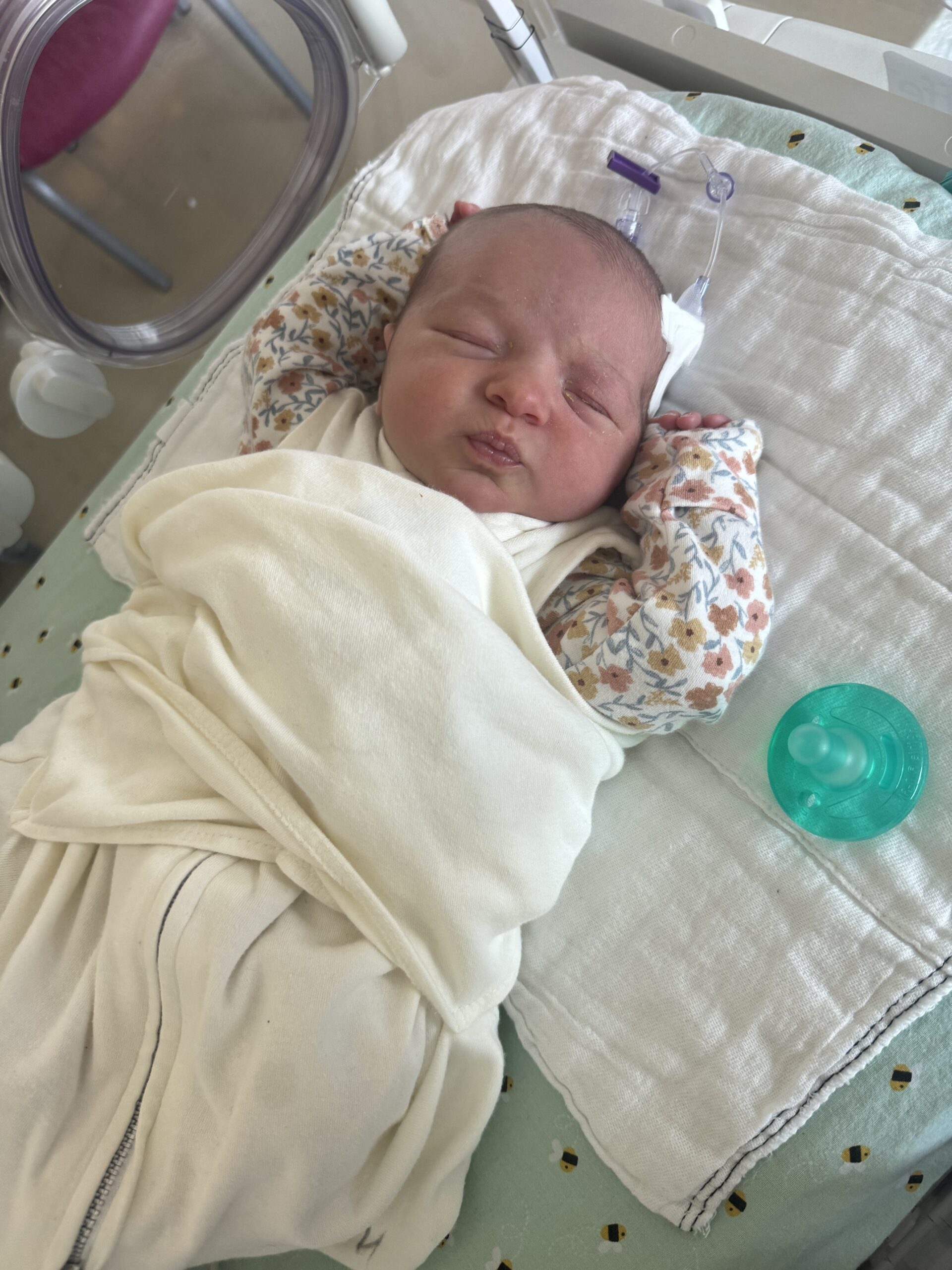
- patient name: Amelia Chittum
- age: 6 months
- seen in: cardiology
- providers: Lubabatu Abdurrahman, MD
Ruthie Chittum’s pregnancy and delivery with her daughter, Amelia, were completely normal. Just like with her other two older children, she left the hospital with a healthy newborn in her arms. She could’ve never imagined what the next few days would bring.
At just 10 days old, as Ruthie was getting Amelia ready for bed, Amelia’s Owlet sock monitor began to alarm. Amelia’s heart rate was in the mid-200s bpm.
“I immediately called 911,” Ruthie recalls. “I was so scared and had no idea what was happening.”
Amelia was rushed to the emergency department at Dayton Children’s Hospital, where her heart rate increased even higher – into the low 300s. The emergency team worked quickly to stabilize and get Amelia’s tiny heart rate back to normal rhythm. Once stable, Amelia was admitted to the neonatal intensive care unit (NICU) at Dayton Children’s main campus.
“Watching your baby go through a medical crisis is terrifying,” Ruthie says. “But the way the doctors and nurses worked with such calm confidence while still reassuring me that Amelia was going to be okay meant everything to me.”
finding answers
While in the NICU, Amelia met Lubabatu Abdurrahman, MD, division chief of cardiology at Dayton Children’s. Dr. Abdurrahman ordered an electrocardiogram (EKG), a test that measures and records the electrical signals that make your heart beat. An EKG can detect abnormal rhythms and pathways within the heart.
Amelia’s EKG revealed that she had something called Wolff-Parkinson-White (WPW) syndrome. According to KidsHealth, Wolff-Parkinson-White syndrome creates an extra electrical pathway in the heart, causing the heart to beat faster than normal. Many patients with WPW never need treatment, but in Amelia’s case, she needed medicine to bring her heart rate down.
Amelia was started on a beta-blocker, a medicine that is used to slow down the heart rate, and was sent home from the hospital with a heart monitor. But shortly after returning home, the monitor began going off.
a journey to stabilization
Over the next couple of weeks, Amelia visited the emergency department and had another stay in the NICU as her care team worked to find the right treatment. Eventually, they found a medicine that successfully kept her heart rate stable.
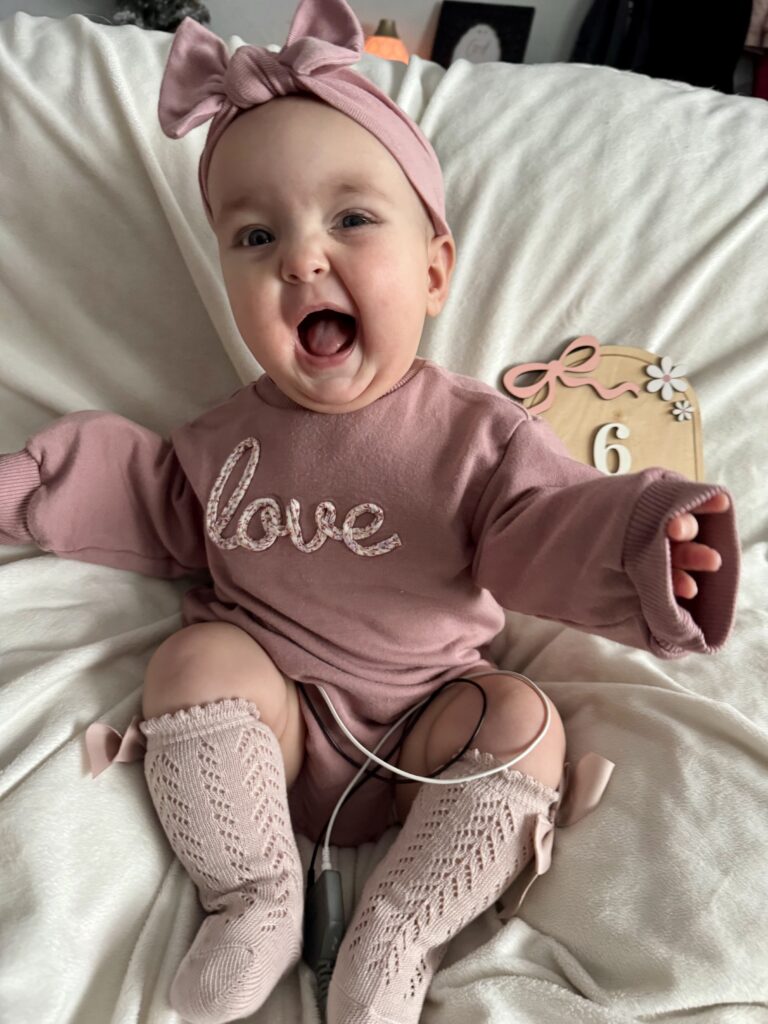
Amelia now has to take the medicine every eight hours, day and night, in order to maintain a normal heart rhythm. And thankfully, she is thriving.
At six months old, Amelia is meeting milestones exactly like she should. Amelia will continue to see Dr. Abdurrahman on a regular basis to monitor how she is doing as she grows.
what mattered most
Throughout Amelia’s journey, Ruthie found comfort and support in her care team. “Everything was so new to us, and I had a lot of questions,” explains Ruthie. “But having a care team that is always available and willing to help means so much to me.”
share your story
Every patient journey at Dayton Children’s is powerful — from NICU miracles to courageous cancer survivors and beyond. These patient stories not only celebrate our families but also offer hope and encouragement to others facing similar challenges. Share your experience today and help inspire, support, and celebrate the strength of our patients and families.
related stories




care that goes above and beyond
Because every child deserves care that goes above and beyond, Dayton Children’s provides compassionate, expert care for kids of all ages. Find a provider, schedule an appointment, or learn more about conditions we treat today.