
teaching kids to be kind: how to help children accept differences
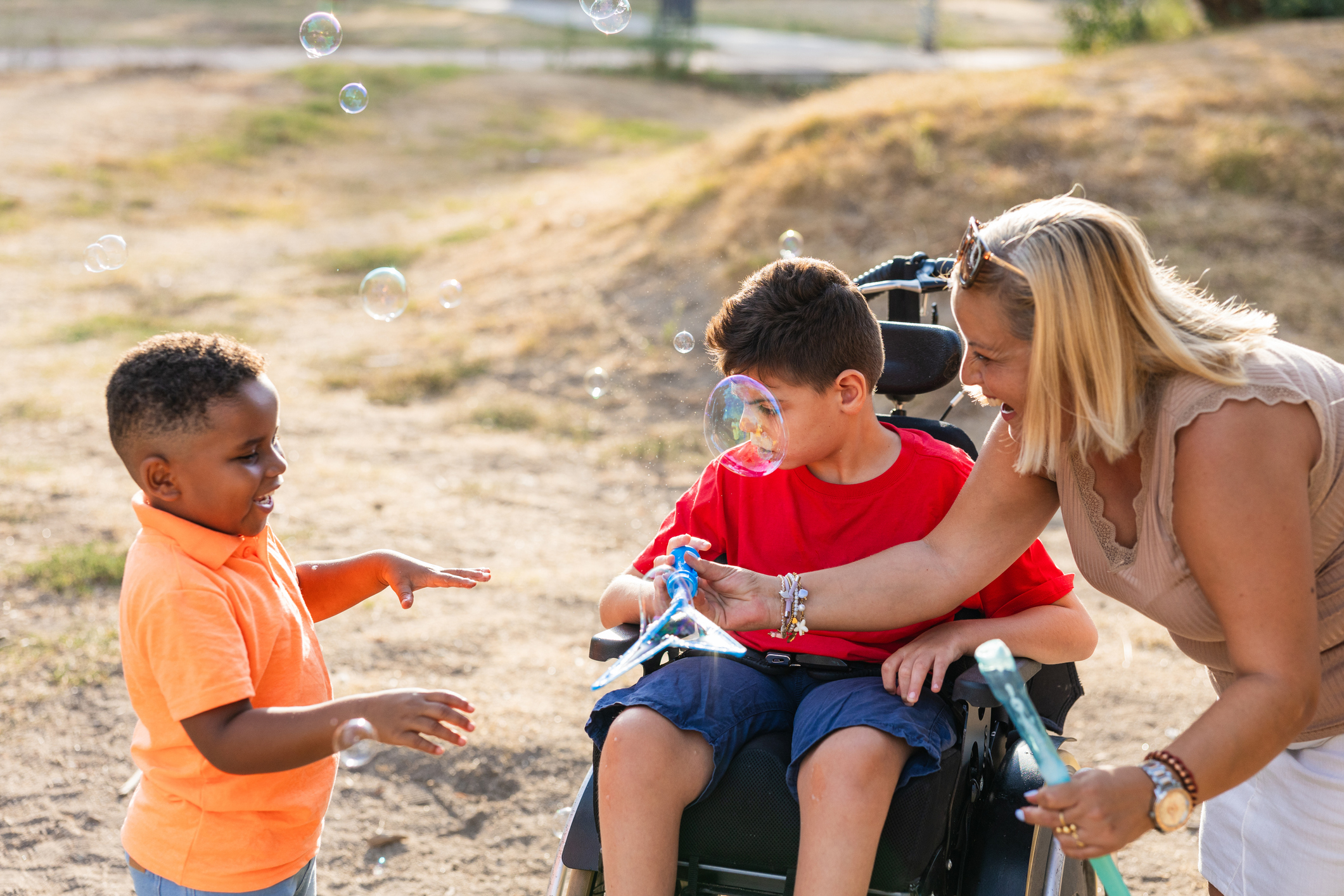
You’ve probably heard the saying, “More is caught than taught.” That’s especially true when it comes to how kids treat other people.
Kids are always paying attention. They notice how we act toward family, friends and even strangers at the grocery store—or the person driving a little too slowly on the way to practice! They also take in what they see on TV, social media and in school. Before we even sit down to talk with them about kindness or respect, they’ve already learned a lot—from both the good and the not-so-good examples around them. “Our actions are louder than words,” says Emily, our On Our Sleeves expert. “Even small actions show kids how to treat others and how to respect differences they see in the world.”
This blog is to help parents and caregivers learn practical ways to teach kids to be kind, help children accept differences and raise kids to be nonjudgmental so they can grow up treating everyone with respect and understanding.
how can I talk about kindness with my kids?
We’ve all had a judgmental thought about someone at some point. And sometimes, kids say judgmental things out loud, like:
- “What is that person wearing?”
- “Why does that person dress so weird?”
- “Why does that person make those funny noises?”
Sometimes these comments come from normal childhood wonders. Other times, they can be hurtful. Teaching kids to notice judgmental thoughts and turn them into curiosity or empathy can be tricky—but it’s possible!
Here is how you can explain judgment to your child:
- Sometimes we judge people based on how they look or based on our first time meeting them. This happens to everyone.
- Having a judgmental thought doesn’t make us bad people; what matters is what we do with that thought.
- We should always treat people with kindness and understanding and take time to get to know someone better.
start the conversation about what makes people unique
We tell our kids all the time, “Everyone is special!” or “You are one-of-a-kind!” We focus on their unique qualities and encourage them to feel proud of what makes them different. But why do we sometimes react negatively when we meet someone whose differences—like their family, appearance, beliefs or struggles—don’t match our own? Imagine how boring life would be if we were all the same!
Here are some ways you can talk about uniqueness with your children:
- Remind them that everyone is unique. Use phrases like, “You are special, one-of-a-kind, and no one else is exactly like you!”
- Point out the many things that make people unique:
- Family set-up
- Physical, mental and/or emotional struggles
- Personalities
- Life experiences
- Family background or culture
- Share the great parts about uniqueness. Talk about how boring life would be if we were all the same, and that we can learn from people who are different from us
- Point out to your child all the things they make them unique! Help them notice all the things that make them special, and explain that just like they like to be recognized for their qualities, others do too.
what can I do to stop moments of judgement?
- Pop the bubble
- Imagine your thoughts are in a little speech bubble, like in a cartoon. Before saying anything, ask yourself: Is this thought true, helpful, or kind? If it is, go ahead and let it out! If not… POP IT! Let the unkind thought disappear.
- Be curious
- Instead of judging, think, “I wonder why…” “what might be going on in this person’s life?”
- Walk in someone’s shoes
- Help your child think, “How would I feel if I were this person?” or “What would I want someone to say about me or to me?” This builds empathy and helps kids see situations from another perspective.
- Remember behavior is not the whole self
- Teach your child to shift from thinking, “That kid is bad” to “That kid made a poor choice.” Remind them that one action doesn’t define a person.
- Act with kindness, even when its hard
- Encourage kids to show kindness, even if someone seems different or makes mistakes. They can try to get to know the other person better or simply offer a small act of understanding.
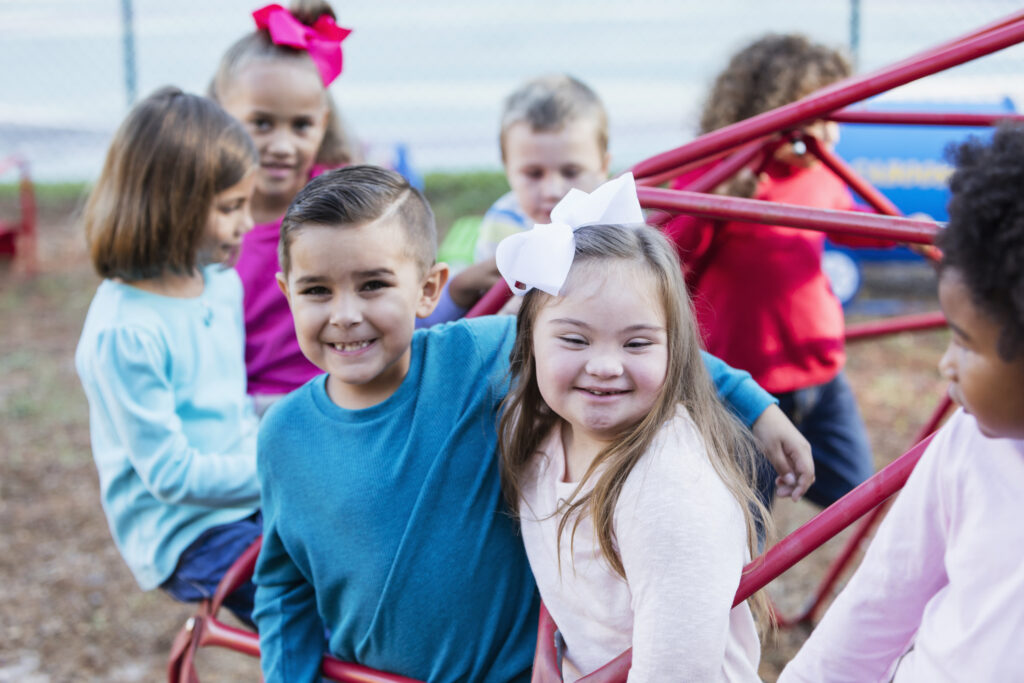
why is it important to teach kids empathy and understanding?
Judgment is normal human behavior. And while the act of judging can’t always be stopped, we as caring adults can always improve on how we act on the thoughts we have. Teaching our kids how to react with curiosity, empathy and kindness can help make our world a better place.
Every small moment counts. When we model kindness and celebrate differences, we’re not just helping our kids grow, we’re shaping a generation that values understanding, embraces uniqueness and sees the world through a lens of compassion.
join the On Our Sleeves movement
There are many ways to get involved with On Our Sleeves. Make an impact by joining the movement, requesting a speaker or making a donation. For additional ways to get involved, contact us.
related posts



care that goes above and beyond
Because every child deserves care that goes above and beyond, Dayton Children’s provides compassionate, expert care for kids of all ages. Find a provider, schedule an appointment, or learn more about conditions we treat today.
