
kids grieve too: here’s how to support them through loss

National Children’s Grief Awareness Day was created to bring awareness to the needs of grieving children. Unlike adults, children may express grief differently, and it’s important to understand that grief can happen for more situations than just the loss of a loved one.
The death of a loved one impacts everyone. For many reasons, death can make us feel uncomfortable and finding ways to support one another can be difficult- especially when it comes to helping kids,” shares Dayton Children’s chaplain Darryl Fairchild. “Too frequently, these barriers can keep kids from having the space they need to share their feelings and get support. This day encourages us to break down these barriers, be present with grieving kids and connect with them in caring ways!
In this blog, we’ll talk about how to recognize when a child is grieving and share tips on how to support them through the healing process.
“When we experience a loss, we often feel many different feelings all at once. It is normal to feel happy, sad, angry, confused, and/or irritated separately or all at once. Remind your child that you love them and you are there to support them, no matter what.,” share On Our Sleeves behavioral heath expert, Emily Weitz.
If you know a child who has experienced loss and is struggling with their feelings, here are a few things you can remember to give them the support that they need.
- You don’t have to be afraid of showing emotion while having this conversation. It’s okay to cry and may even help connect with the child.
- Your job is not to make the situation “okay” or offer to fix anything. Your job is to give the child empathy, love, understanding and maybe even a hug if appropriate.
- Make sure that you are practicing self-care if you’re also experiencing the emotion of grief or loss. Self-care is giving your loved ones the best of you instead of what’s left of you.
What does grieving look like for a child?
Every child experiences grief in their own way, so it’s important to be patient and supportive. While some children may act out, others may seem unaffected. This is why it’s essential to pay attention to the signs of grief in children, which can look different than they do in adults.
Some signs that a child may be grieving include:
- Becoming withdrawn
- Having trouble concentrating
- Experiencing mood swings
- Showing changes in sleep and appetite
What may cause a child to grieve?
Feelings of grief are a response to a change that the child didn’t ask for. When feelings are ignored or misunderstood, it can be even harder on a child’s mental health. There are many reasons why a child might experience grief, and acknowledging those emotions is essential for their well-being.
“When we experience a loss, we often feel many different feelings all at once. It is normal to feel happy, sad, angry, confused, and/or irritated separately or all at once. Remind your child that you love them and you are there to support them, no matter what.,” share On Our Sleeves behavioral heath expert, Emily Weitz.
Experiencing a big loss or change
Along with losing a loved one, children can also feel grief and experience loss in other situations, like when:
- A loved one deploys
- Friends move away, or they have to move away from friends
- Parents divorce
- Losing items or home due to theft, financial crisis, fire or disaster
- A loved one is ill or hospitalized
Use the memory maker download to find ways to capture memories or do activities that help them talk about what they’re feeling and missing.
losing a pet
Pets are special members of our families – they give us unconditional love, greet us happily at the door, and comfort us when we’re feeling down. For many children, pets are their first friends. Losing a pet can be especially hard on kids, especially if it’s their first experience with loss.
If you want more information on how to help your child through the loss of a pet, read our blog on supporting a child through pet loss.
How to help a child who is dealing with grief
If you know a child who has experienced loss and is struggling with their feelings, here are seven ways you can help a child who is grieving a loss or change.
- Expect a variety of symptoms – you may see emotions (including sadness and anger), physical symptoms (like headaches, stomachaches or trouble sleeping), social struggles (like withdrawing from friends) or behavioral issues (not paying attention, tantrums, etc.). When you have a quiet moment, ask your child how they’re feeling and if it’s related to the loss.
- Create a safe place to share their feelings – ask them how their life has changed rather than minimizing their loss. Encourage them to share their feelings with you and allow them to process their emotions without judgment. Keep in mind that they may have strong feelings one day and seem to be “over it” the next. Consider using our download to help them honor their loss.
- Try not to solve their problems/feelings – of course, you don’t want to see a child hurt. But if you minimize or brush off their problems: “Be thankful you got to have that extra time with your mom before she was deployed!” or “Your cousin left for college, but you can FaceTime him.” Grief is not something that you can “fix” for someone else. Just being present, loving and taking the time to listen will be the best support you can offer.
- Remember there is no right way to grieve – sometimes it seems as if a child is overly upset by a loss that doesn’t seem like that big of a deal to us. But all losses are unique and there is no right way or wrong way to grieve.
- Share, when appropriate – it may be helpful to talk to your child’s teacher, coach, mentor or school counselor about how your child is feeling about the loss in their life. Ask your child who they want to know about what they’re going through. Having support from many people can be very helpful.
- Be honest about what you know, and don’t know – if a child’s friend has moved away, don’t promise them that they’ll make another best friend or they may lose trust in you if that doesn’t happen. We don’t have all the answers and it’s good to be open about that with your child.
- Find way to connect and share memories – When kids can talk in an ongoing way about their loss, they can process and move through grief. Use the memory maker download to find ways to capture memories or do activities that help them talk about what they’re feeling and missing.
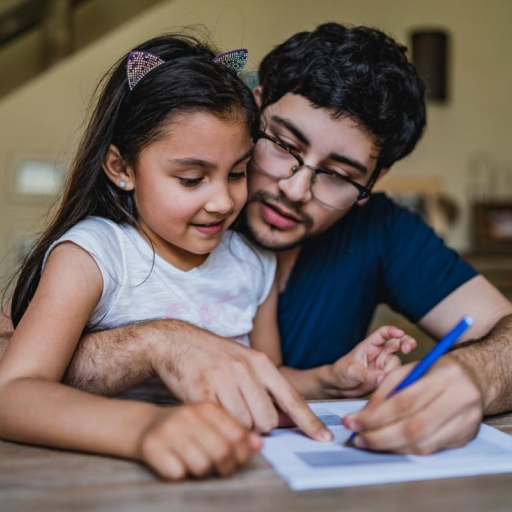
3 resources for handling grief from On Our Sleeves
Dealing with Grief and Loss Guide: This printable guide includes instructions to help you during the grieving process as well as conversation starters to approach the topic of grief with you children. Click here to download today.
Memory Maker Worksheet: If your child is missing someone in their lives, you can help them to create a memory maker to help them process their emotions. Click here to download this free worksheet and get started today. Or download it en español here.
Grief and Loss book list: Helping children with their difficult emotions during the grieving process could be made easier through books. Click here for a list of 25 books for grieving children of all ages.
join the movement
Kids don’t wear their thoughts on their sleeves. Help us break the stigma and gives kids a voice. When you join the movement for children’s mental health, you’ll get free monthly emails with simple tips and expert advice, plus activities and downloadable resources you can use to support the kids in your life.
related posts




care that goes above and beyond
Because every child deserves care that goes above and beyond, Dayton Children’s provides compassionate, expert care for kids of all ages. Find a provider, schedule an appointment, or learn more about conditions we treat today.
