
how to handle meltdowns
tips for understanding and helping with overstimulation
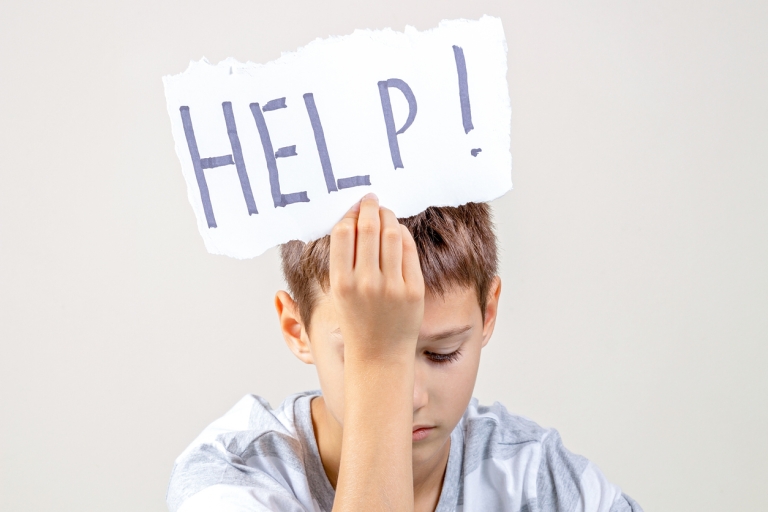
You know those moments when your kids are in not-so-friendly moods or start having a meltdown? If you are a caregiver to kids, then we’ve all been there, right? Well, these situations often pop up during hectic times, like holidays or sports seasons, that mess with our kids’ usual routines. Grumpiness, sudden outbursts and trouble talking about what’s bugging them are all signs of overstimulation. To help avoid these rough moments, finding the balance between action and downtime is key.
understanding overstimulation and recognizing the signs
Picture this: You’re visiting family with your 4-year-old who hasn’t had a nap or dinner when it starts to get late. Suddenly, a fight over a toy breaks out between your little on and their cousin. You try to defuse the situation by taking your child into the other room to calm them down and they go kicking and screaming the whole way! Now you’re feeling embarrassed and judged by the other adults in the room.
Or maybe this scenario has happened: You’re hosting out-of-town guests for a few days so your 10-year-old son and 7-year-old daughter have to share a room. One morning you overhear them arguing and being disrespectful to guests. You’re feeling embarrassed that others are hearing how they speak to one another.
These scenarios are pretty common for those of us who are caregivers to kids and we may wonder, what has gotten into them? Well, here are certain times of year (like sports seasons, holidays, back to school or vacations) that can throw off a child’s usual schedule, routine and comfort level. This often leads to overstimulation.
Overstimulation can look like:
- Becoming more irritable
- Dropping to the floor and crying
- Struggling to express themselves with words
- Spilling things, tripping and falling, and dropping things more than usual
- Showing less cooperation with requests
- Asking for more help than usual with regular responsibilities
- Acting “out of control” (running around, being unable to sit still or stay in one place and acting aggressively)
- Zoning out or appearing overtired
mastering the balancing act: 4 practical ways to prevent overstimulation
An effective way to manage overstimulation is to find the balance. We all need some stimulation and activity for growth, development, and enjoyment of life. The key is to balance the up times with the down times.
Here are four practical ways that you can maintain a balance during hectic times:
- Plan ahead for downtime: If you know a hectic time is coming up, start to plan some intentional downtime. This can look like saying “no” to certain activities for a month, trying for an earlier bedtime, or limiting screen time (as this can add to overstimulation).
- Schedule Breaks: Plan some one-on-one time to check-in with your child. You can also identify a place in your own home or the home you are visiting where they can have “rest” time by themselves. Or try taking a walk with your child to get them out of the overstimulating environment.
- Use everyday moments as touchpoints: When you know a day or activity might be overstimulating for your child, check in with them before the escalation occurs. Use times such as putting the dinner dishes away or sitting down at breakfast as a chance to connect.
- Put your child first: It is not fun for anyone when a child gets overstimulated. Don’t be afraid to say “no” to an obligation or your own desire to engage in stimulating activities if you know it could be too much for your child. You can also try to spread out holiday traditions among many days, say “no” to sports or extracurricular activities at hectic times of the year, or have one parent (or babysitter) stay home with smaller children when life gets busy.
*Helpful Hint: Decide what activities in your regular bedtime routine you can let go of when chaos is present. For example, sometimes you just have to skip the bath before bed! One day will not negatively impact their health. Focus on prioritizing sleep and peace in your home.
my child is having a meltdown: now what?
Sometimes overstimulation just happens. Here are four ways to help your child in that difficult moment.
- Take your child to a quiet room to decompress. Rub their back, sing them a song or do a quiet activity with them until they have calmed down.
- Help them by giving their feelings words. For example, you can say “I can see you are feeling overwhelmed right now.”
- If you choose to use technology (like tablets, phones or TV) set a clear limit on how long and what you expect afterward and stick to it! Tell your child “This is to help you to take a break or calm down.” Have them use things that are calming to them and not something that will make them upset when they have to quit.
- Offer rest and a break without sounding like it is a punishment. You can say, “I can see you are feeling overwhelmed right now. How about we go to your room and listen to some music or look at a book?” Let them know they can join right back into the fun after they’ve had some rest.
free download to help manage meltdowns: the mindful moments worksheet
One way to help avoid meltdowns is by practicing mindfulness and calming techniques ahead of time. Download this free worksheet and use it as a resource with your child. You can practice several different breathing techniques and choose your favorite to use if things get overwhelming!
join the On Our Sleeves community
The mission of On Our Sleeves is to provide every community in America access to free, evidence-informed educational resources necessary for breaking stigmas about child mental health and educating families and advocates. For more information, visit OnOurSleeves.org.
related posts


care that goes above and beyond
Because every child deserves care that goes above and beyond, Dayton Children’s provides compassionate, expert care for kids of all ages. Find a provider, schedule an appointment, or learn more about conditions we treat today.
