- give
- |
- careers
- |
- healthcare professionals
- make a referral
- |
- pay bill
- mychart
- contact us
-
- English
- Türkçe
- Kinyarwanda
- Kiswahili
- Español
- Français
- Français - CA
- Русский
- العربية

Your child's health and safety is our top priority. Please search our resource library for information on health, nutrition, fitness, injury prevention and other important topics.
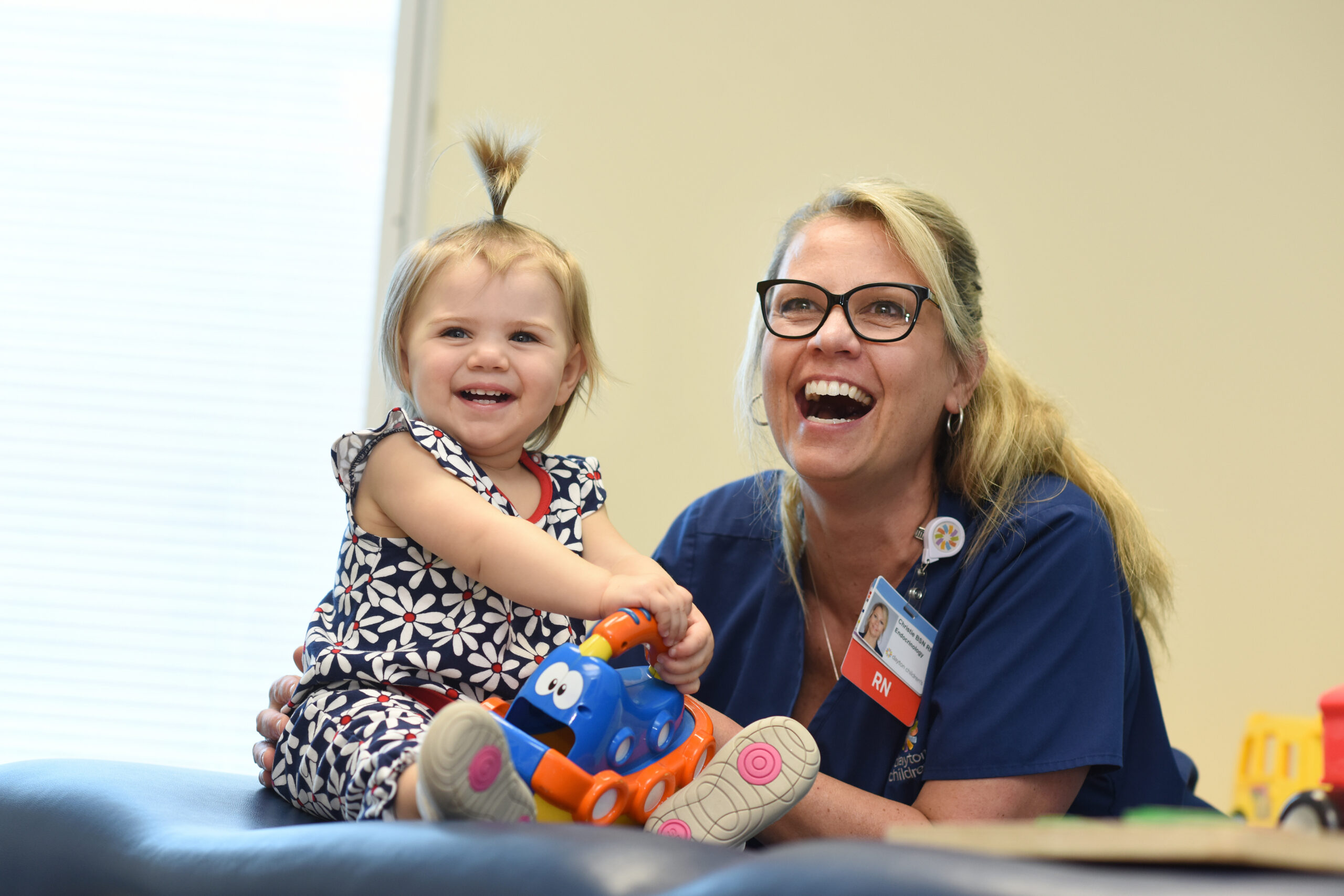
Caffeine is in many foods and drinks, but it’s wise to keep caffeine consumption to a minimum, especially in younger kids. Here’s why.
Kids who enjoy exercise tend to stay active throughout their lives. Learn how to encourage fitness in your teen.
Kids this age are naturally active, so be sure to provide lots of opportunities for your child to practice basic skills, such as running, kicking, and throwing.
Take advantage of your child’s natural tendency to be active. Staying fit can help improve kids’ self-esteem and decrease the risk of serious illnesses later in life.
School-age kids need physical activity to build strength, coordination, confidence, and to lay the groundwork for a healthy lifestyle.
Some kids aren’t natural athletes and they may say they just don’t like sports. What then?
Need to check your child’s heart rate? Follow our guide and check with your doctor if you have questions.
Besides enjoying the health benefits of regular exercise, kids who are physically fit are better able to handle physical and emotional challenges.
With a properly designed and supervised program, strength training can be a fun way for kids to build healthy muscles, joints, and bones.
“What’s the right weight for my child?” is one of the most common questions parents have. It seems like a simple one, but it’s not always easy to answer.