- give
- |
- careers
- |
- healthcare professionals
- make a referral
- |
- pay bill
- mychart
- contact us
-
- English
- Türkçe
- Kinyarwanda
- Kiswahili
- Español
- Français
- Français - CA
- Русский
- العربية

Your child's health and safety is our top priority. Please search our resource library for information on health, nutrition, fitness, injury prevention and other important topics.
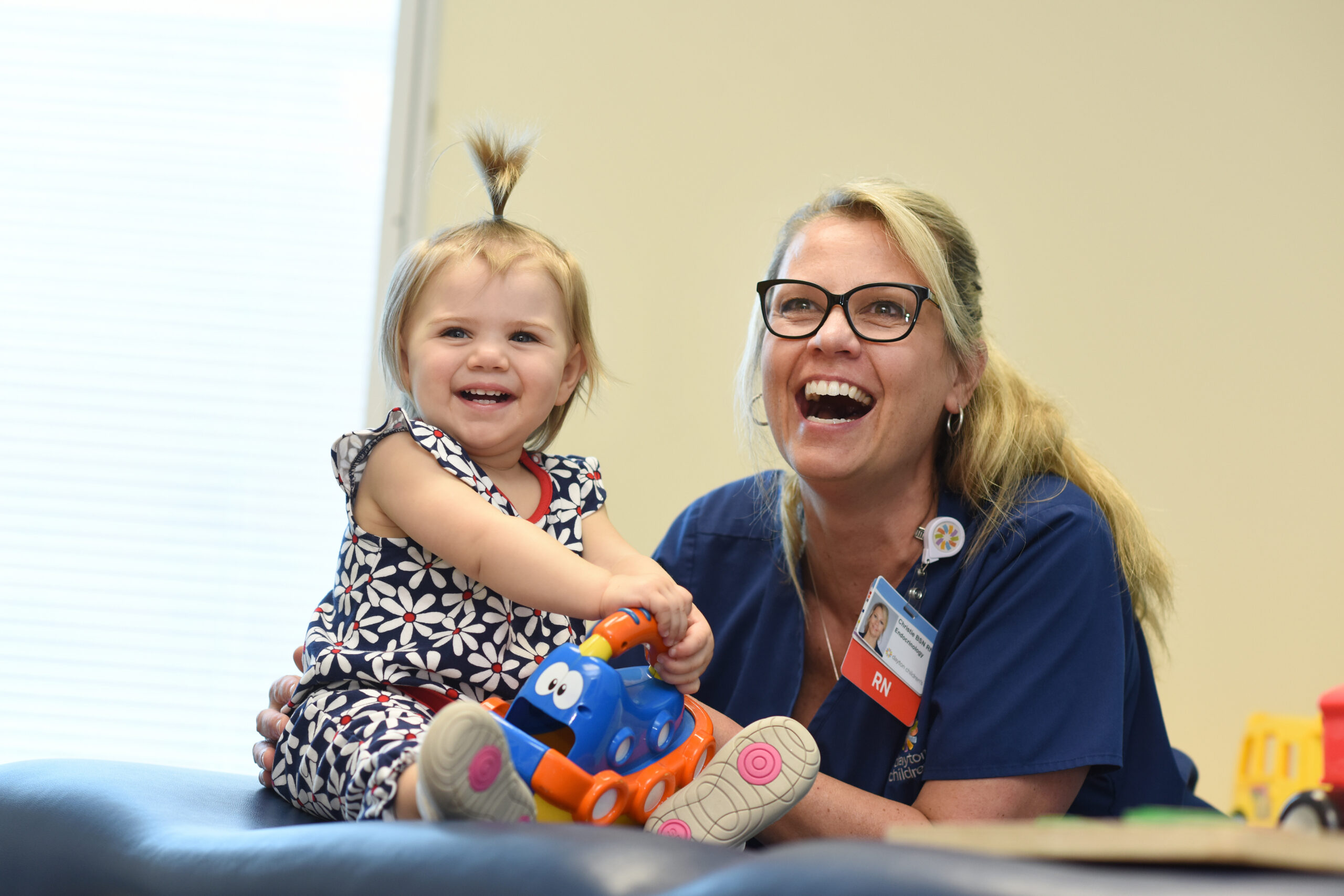
Blood tests help doctors check how the body’s organs are working and see if medical treatments are helpful. Here’s how they’re done.
CT scans give doctors more detailed images than X-rays can provide. Here’s what it’s like to get one of these tests.
Testing a urine sample can help doctors find out what’s going on when someone has an infection or other problem in kidneys, bladder, or other parts of the urinary tract. Here’s how urine tests are done.
An electrocardiogram (ECG or EKG) measures the heart’s electrical activity. This can help doctors tell how the heart is working and identify any problems.
An MRI (magnetic resonance imaging) is a safe and painless test that uses magnets and radio waves to make detailed pictures of the body’s organs, muscles, soft tissues, and structures. Here’s what to expect.
An ultrasound scan is a medical test that uses high-frequency sound waves to create live images from the inside the body. Here’s what to know if your child is getting this test.
A glucose test measures the amount of sugar in the blood. Sometimes it’s part of a physical or a check for diabetes.
Health screening tests are routine tests that check for problems before signs show up. When problems are found early, the care is often simpler and may work better.
Hearing problems can be overcome if they’re caught early, so it’s important to get your child’s hearing screened early and checked regularly.
A hemoglobin electrophoresis blood test can help diagnose and monitor blood disorders that involve hemoglobin.