- give
- |
- careers
- |
- healthcare professionals
- make a referral
- |
- pay bill
- mychart
- contact us
-
- English
- Türkçe
- Kinyarwanda
- Kiswahili
- Español
- Français
- Français - CA
- Русский
- العربية

Your child's health and safety is our top priority. Please search our resource library for information on health, nutrition, fitness, injury prevention and other important topics.
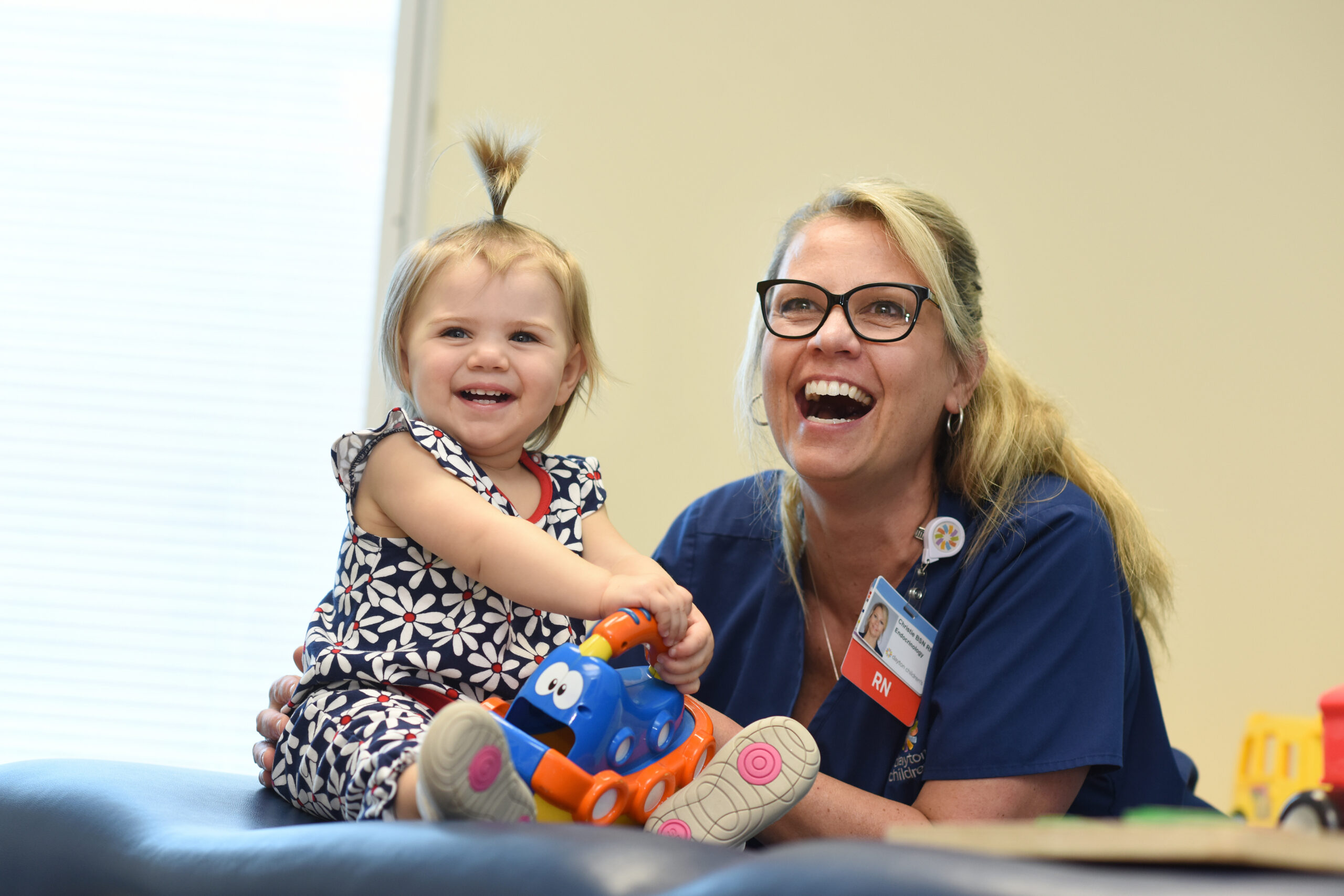
If you’re a new parent, get the basics in this guide about burping, bathing, bonding, and other baby-care concerns.
Babies born with a cleft may need some feeding help from special bottle systems. Find out what’s available and how they work.
When can babies eat baby food? What are good first foods for baby? Here’s what experts recommend for ages 4 to 7 months.
At this age, babies start to explore table foods.
When they’re around 9 months old, babies can begin feeding themselves. Find out which foods are safe, healthy options and which should not be served to little ones.
When babies have reflux, they spit up. Often, this happens after a feeding. Some simple feeding changes can help most babies with reflux spit up less.
Parents might want to make their own infant formula for many reasons. But commercially prepared formula is the best and safest choice. Here’s why.
Almost all infants are fussy at times. But some are very fussy because they have an allergy to the protein in cow’s milk, which is the basis for most commercial baby formulas.
Find out if your baby is ready for solid foods, and if so, what to give, how to give it, and which foods to avoid.
Transitioning a baby from a bottle to a cup isn’t always easy, as babies can become attached to their bottles. These tips can help parents make the switch.