- give
- |
- careers
- |
- healthcare professionals
- make a referral
- |
- pay bill
- MyChart
- contact us
-
- English
- Türkçe
- Kinyarwanda
- Kiswahili
- Español
- Français
- Français - CA
- Русский
- العربية

Your child's health and safety is our top priority. Please search our resource library for information on health, nutrition, fitness, injury prevention and other important topics.
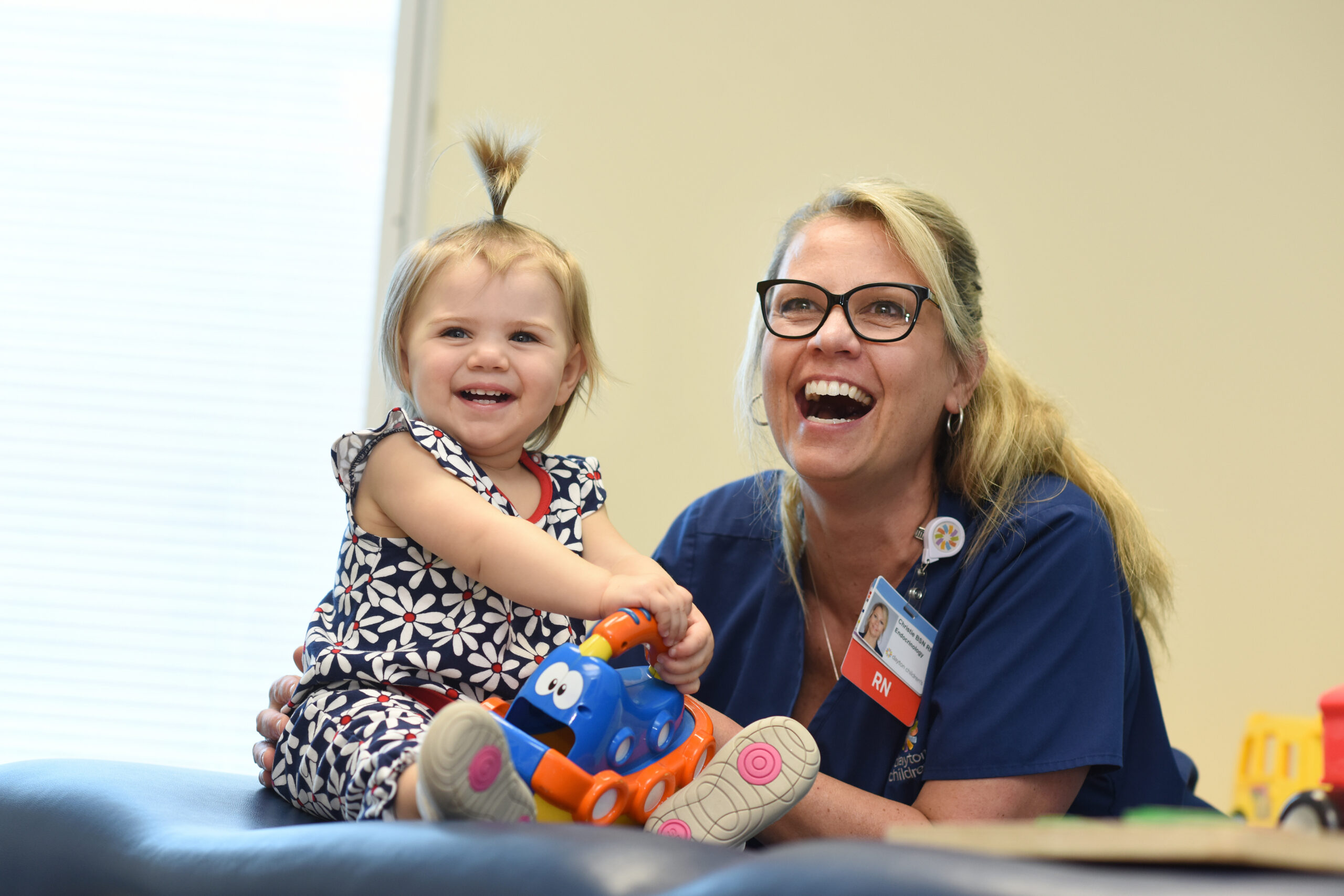
If your child needs a heart transplant, you’re probably feeling lots of emotions. Fortunately, many kids who undergo heart transplants go on to live normal, healthy lives.
Hemoglobin SC disease is a form of sickle cell disease. It causes pain episodes and a type of anemia. It’s important to know which symptoms to watch for and when to call the doctor.
Hemolytic anemia is a type of anemia that happens when red blood cells break down faster than the body can make them.
Hemophilia is a rare bleeding disorder that prevents the blood from clotting properly. With modern treatment, most kids who have it can lead full, healthy lives.
Kids with hemophilia can bleed easily or longer than normal. So it’s important for parents to know how to handle bleeding when it happens.
Most kids who develop this inflammation of the blood vessels (marked by a raised red and purple rash) make a full recovery and have no long-term problems.
Hereditary spherocytosis is an inherited blood disorder. Treatments can help with symptoms.
When someone has high blood pressure (hypertension), the heart has to pump harder and the arteries are under more strain as they carry blood.
Hypoplastic left heart syndrome (HLHS) is a birth defect of a baby’s heart. The left side of the heart doesn’t grow as it should, making it smaller and weaker than normal.
A hemangioma is a growth of tangled blood vessels. An infantile hemangioma becomes visible in the first few weeks after birth.