- give
- |
- careers
- |
- healthcare professionals
- make a referral
- |
- pay bill
- mychart
- contact us
-
- English
- Türkçe
- Kinyarwanda
- Kiswahili
- Español
- Français
- Français - CA
- Русский
- العربية

Your child's health and safety is our top priority. Please search our resource library for information on health, nutrition, fitness, injury prevention and other important topics.
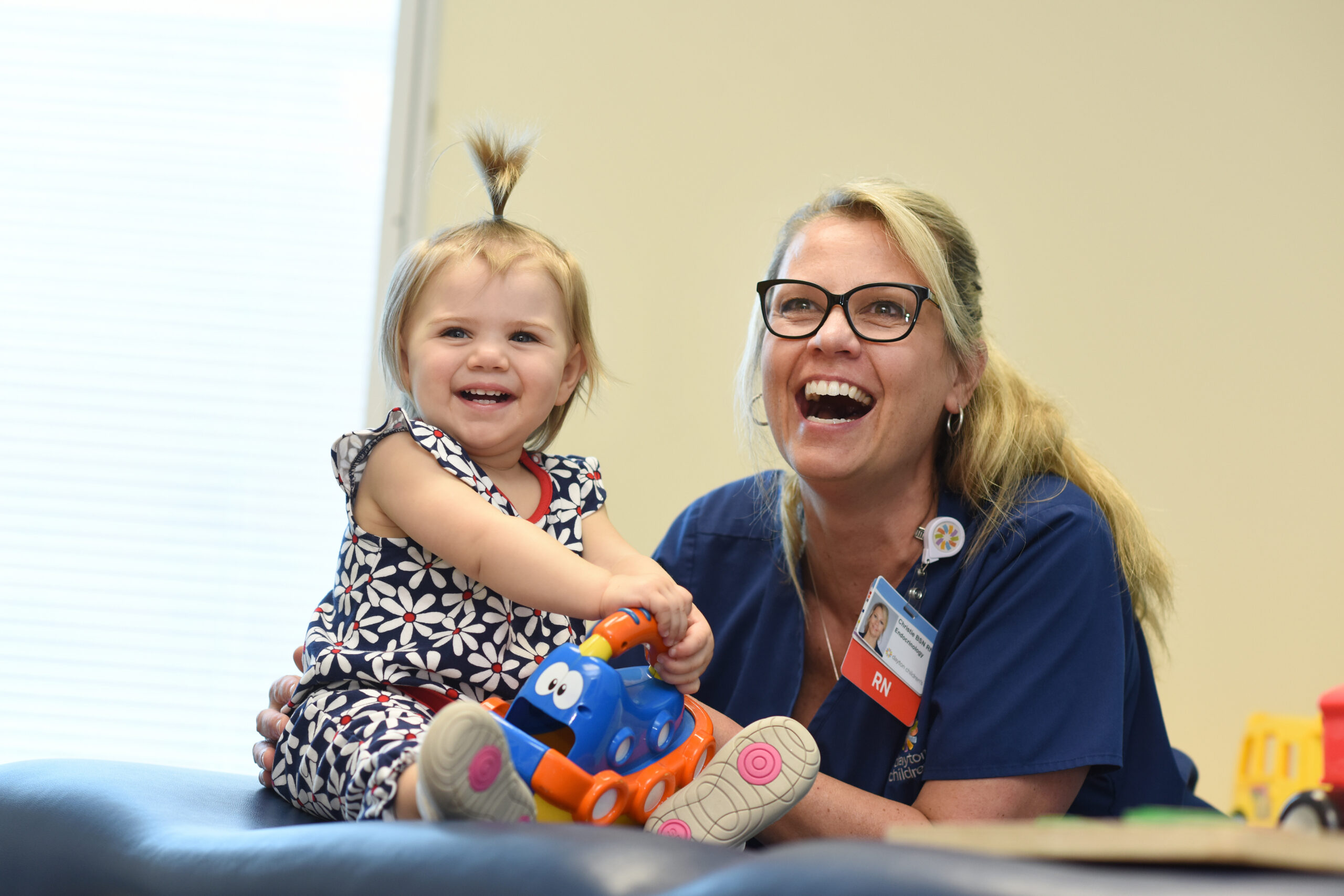
Here are answers to some common questions about what breastfeeding moms should and shouldn’t eat and drink.
Making a decision to breastfeed or formula feed your baby is a personal one. There are some points to consider to help you decide which option is best for you and your baby.
Caffeine is in many foods and drinks, but it’s wise to keep caffeine consumption to a minimum, especially in younger kids. Here’s why.
Milk and other calcium-rich foods help build strong, healthy bones. But most kids and teens don’t get enough calcium. Here’s how to make sure that yours do.
Carbs are the body’s most important and readily available source of energy. The key is to eat healthy ones, like whole grains, and avoid foods with added sugar.
Babies born with a cleft may need some feeding help from special bottle systems. Find out what’s available and how they work.
Some fats are good for kids and an important part of a healthy diet. Here’s what parents should know.
Toddlers have little tummies, so serve foods that are packed with the nutrients they need to grow healthy and strong, and limit the sweets and empty calories.
When can babies eat baby food? What are good first foods for baby? Here’s what experts recommend for ages 4 to 7 months.
At this age, babies start to explore table foods.