- give
- |
- careers
- |
- healthcare professionals
- make a referral
- |
- pay bill
- mychart
- contact us
-
- English
- Türkçe
- Kinyarwanda
- Kiswahili
- Español
- Français
- Français - CA
- Русский
- العربية

Your child's health and safety is our top priority. Please search our resource library for information on health, nutrition, fitness, injury prevention and other important topics.
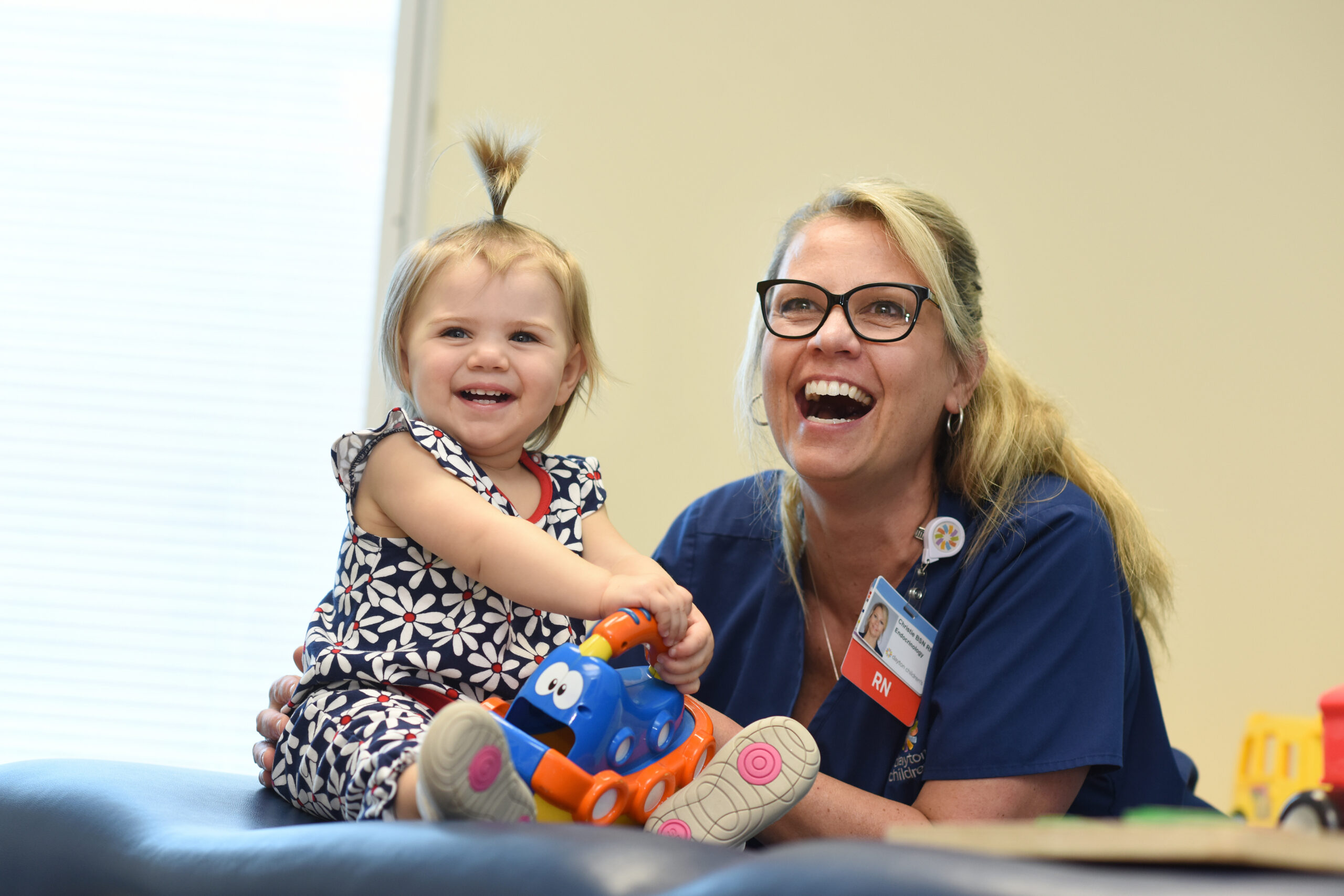
Knowing what to expect when you need to take your child to the emergency room can help make it a little less stressful.
A greenstick fracture is a type of broken bone. The bone cracks on one side only, not all the way through the bone.
Head injuries can be external or internal. Learn more about both kinds, how to prevent them, and what to do if your child is injured.
Active kids can be at risk for heat illness, which can result in heat cramps, heat exhaustion, or heatstroke. Learn how to prevent and treat heat illness.
Kids with hemophilia can bleed easily or longer than normal. So it’s important for parents to know how to handle bleeding when it happens.
Find out what to do if your child has a head injury.
The best way to take a temperature in infants and young children is by taking a rectal temperature. Here’s how to do it.
The axillary (armpit) method is a convenient way to take a child’s temperature, especially for kids who can’t hold a thermometer in their mouths. Here’s how to do it.
Taking an oral temperature is easy in an older, cooperative child. Most kids can have their temperature taken this way when they’re about 4–5 years old. Here’s how to do it.
Need to check your child’s heart rate? Follow our guide and check with your doctor if you have questions.