- give
- |
- careers
- |
- healthcare professionals
- make a referral
- |
- pay bill
- mychart
- contact us
-
- English
- Türkçe
- Kinyarwanda
- Kiswahili
- Español
- Français
- Français - CA
- Русский
- العربية

Your child's health and safety is our top priority. Please search our resource library for information on health, nutrition, fitness, injury prevention and other important topics.
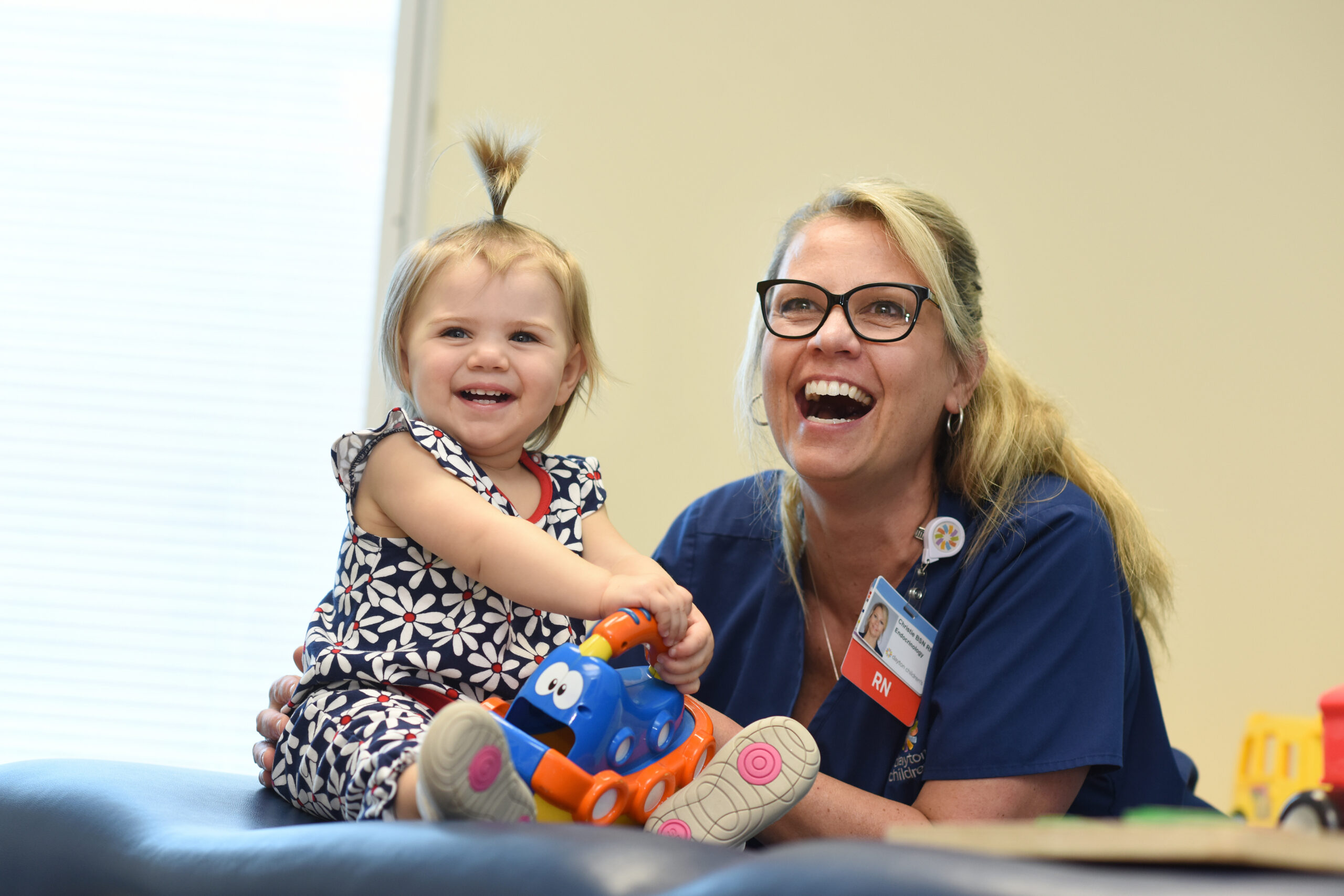
Nurses provide much of the day-to-day care in hospitals, doing vital jobs like giving medicine and educating patients about self-care. Many kinds of nurses provide varying levels of care.
Obstetrics & gynecology is the branch of medicine that treats conditions and problems related to female reproductive health.
Occupational therapists (OTs) help patients with injuries, illnesses, or disabilities. They help them develop, regain, and improve skills needed for daily working and living.
An ophthalmologist is a doctor who studies, diagnoses, prevents, and treats diseases and conditions that affect the eyes.
An optometrist is a doctor who examines eyes for problems, prescribes contact lenses and glasses and eye exercises, and diagnoses and treats eye diseases. They provide many of the same services as ophthalmologists, but they don’t perform surgery.
An orthopedist, or orthopedic surgeon, studies, diagnoses, and treats conditions that affect muscles, joints, and bones, such as infections, sports injuries, broken bones, and joint problems.
An otolaryngologist, often called an ENT, is a doctor who studies, diagnoses, prevents, and treats diseases and conditions of the ear, nose, and throat.
A pathologist is a doctor who examines and interprets laboratory samples to find the causes of conditions, diseases, and sometimes deaths.
A pediatrician is a doctor who diagnoses and treats children’s health conditions and concerns, including physical, behavior, developmental, and mental health issues.
Physical therapists are movement experts who help people with prescribed exercises, hands-on care, and patient education.