- give
- |
- careers
- |
- healthcare professionals
- make a referral
- |
- pay bill
- mychart
- contact us
-
- English
- Türkçe
- Kinyarwanda
- Kiswahili
- Español
- Français
- Français - CA
- Русский
- العربية

Your child's health and safety is our top priority. Please search our resource library for information on health, nutrition, fitness, injury prevention and other important topics.
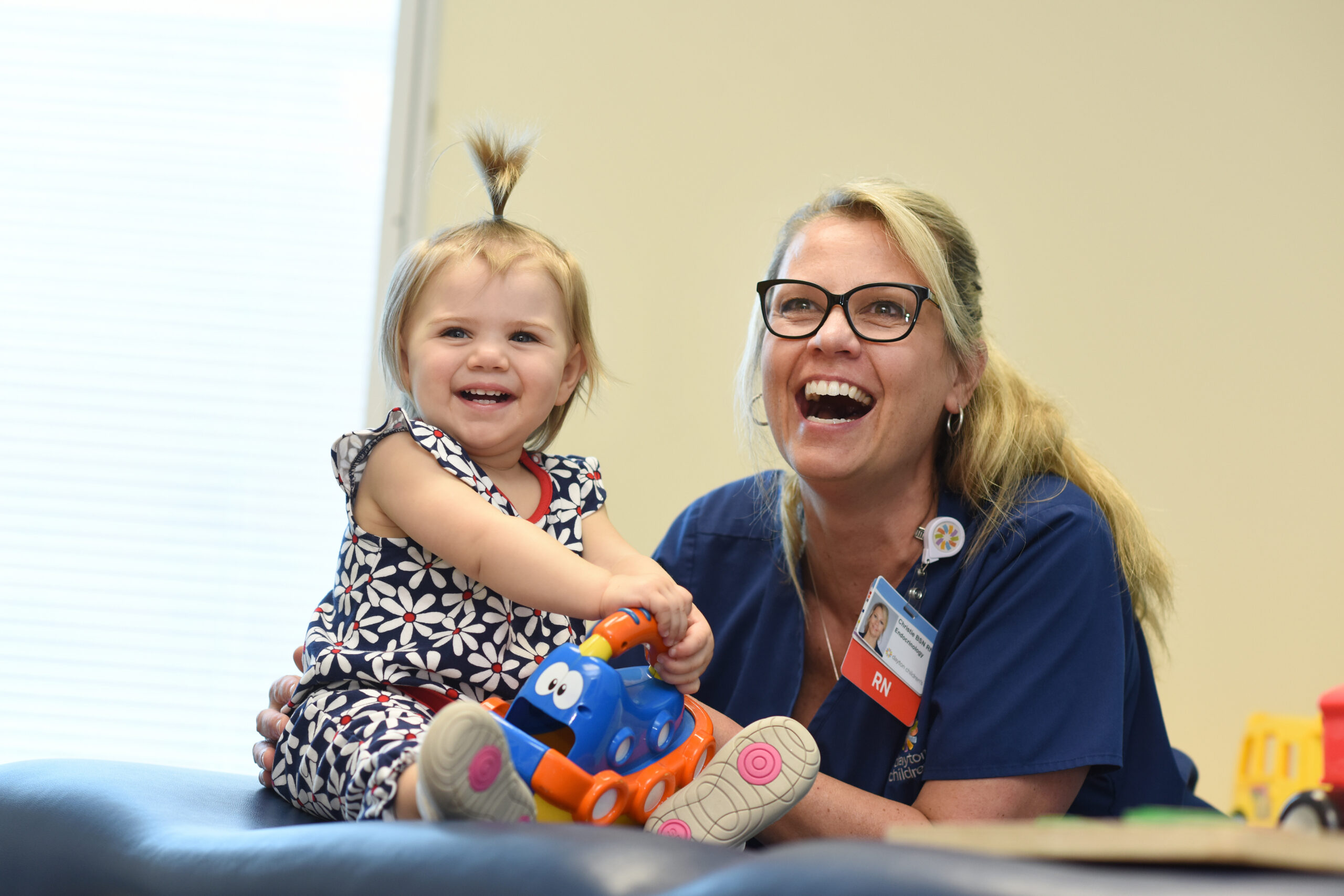
When your child has a serious or chronic illness, it’s hard to think beyond the next treatment. But with some planning, you can help your child balance schoolwork with hospital stays.
A biobank is a special lab that stores samples donated by patients. Scientists use them to study what causes a sickness or disease and to find treatments.
Chemotherapy (chemo) is treatment with medicines that stop the growth of cancer cells.
Along with considering baby names and buying a crib, choosing the right health care provider should be on your to-do list when you’re expecting.
Dialectical behavior therapy (DBT) helps teens learn how to handle intense emotions and improve their relationships.
Many health institutions digitally store their patients’ health information. Learn about electronic health records (EHRs) and how they can improve health care.
Making sure you and your child’s doctor understand each other is key to a helpful health care visit. If English isn’t your first or preferred language, here’s how to do that.
Here are tips on the best ways to communicate with your child’s doctor and get the most information during a visit.
Knowing what to expect when you need to take your child to the emergency room can help make it a little less stressful.
An adolescent medicine specialist is a doctor who diagnoses and treats physical and emotional health concerns of kids and teens.