- give
- |
- careers
- |
- healthcare professionals
- make a referral
- |
- pay bill
- mychart
- contact us
-
- English
- Türkçe
- Kinyarwanda
- Kiswahili
- Español
- Français
- Français - CA
- Русский
- العربية

Your child's health and safety is our top priority. Please search our resource library for information on health, nutrition, fitness, injury prevention and other important topics.
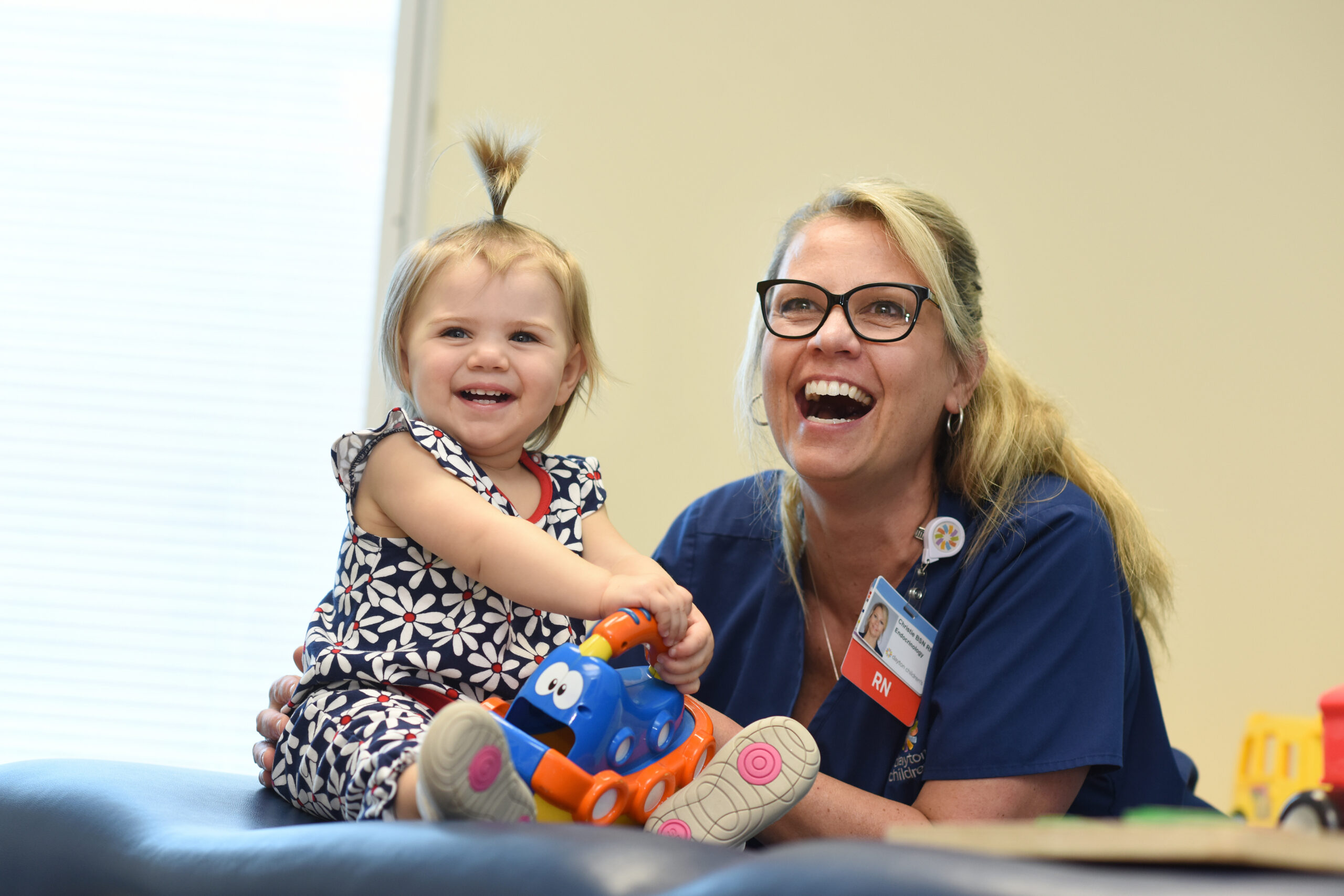
Diabetes is a disease that affects how the body uses glucose. In type 2 diabetes, the body can’t respond normally to insulin, a hormone that helps glucose enter the cells.
Diabetic ketoacidosis (DKA) can be a life-threatening complication of uncontrolled diabetes.
Diastrophic dysplasia is a rare genetic disorder that interferes with bone development and causes abnormal bone growth and dwarfism (short stature).
Learn about conditions that affect the brain, central nervous system, and muscle coordination.
A dislocation is when the bones in a joint slip out of their normal position. A dislocated elbow happesn when the upper and lower parts of the arm to slip out of position.
A dislocation is when the bones in a joint slip out of their normal position. A finger dislocation may happen from a fall, blow, or sports injury, especially if the finger is bent back or jammed.
A dislocation is when the bones in a joint slip out of their normal position. A hip dislocation is an injury that occurs when the ball of the thighbone moves out of the socket of the hipbone.
A shoulder dislocation causes the top of the upper arm bone (humerus) to slip out of its normal position in the shoulder socket.
A dislocation is when the bones in a joint slip out of their normal position. A dislocated thumb may happen from a fall, blow, or sports injury, especially if the thumb is bent back or jammed.
A dislocation is when the bones in a joint slip out of their normal position. A dislocated toe may happen from a blow or jamming the toe, such as bumping the toe into furniture or during sports.