- give
- |
- careers
- |
- healthcare professionals
- make a referral
- |
- pay bill
- mychart
- contact us
-
- English
- Türkçe
- Kinyarwanda
- Kiswahili
- Español
- Français
- Français - CA
- Русский
- العربية

Your child's health and safety is our top priority. Please search our resource library for information on health, nutrition, fitness, injury prevention and other important topics.
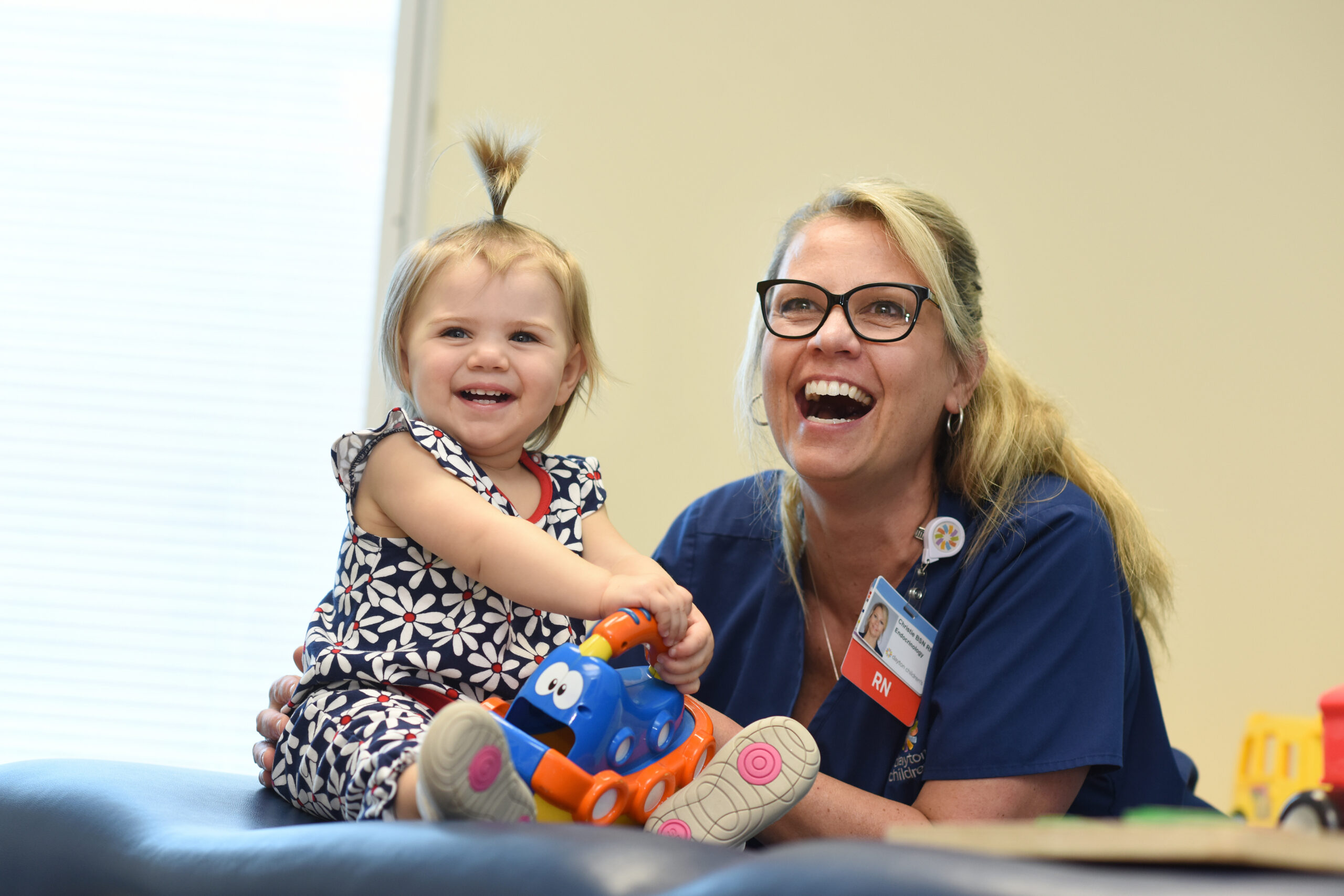
Bonding, the intense attachment that develops between you and your baby, is a process. Learn why it’s so important.
Your baby’s range of sounds and facial expressions continues to grow, and your baby is also imitating sounds, which are the first attempts at speaking.
Babies this age might be about to say their first words, and communicate using body language. Read more about communicating with your baby.
From birth, your newborn has been communicating with you. Crying may seem like a foreign language, but soon you’ll know what your baby needs – a diaper change, a feeding, or your touch.
Find out what the experts have to say.
When you first meet your newborn, you may be surprised by what you see. Here’s what to expect.
During a baby’s first few days of life, it’s normal for moms to feel emotional highs and lows, often called the “baby blues.”
Language development in toddlers ages 1 to 2 includes using sounds, gestures, and simple words to express themselves.
When do babies start cooing? Around 1–3-months. They also use expressions like smiling, crying, and laughing.
Between ages 2 and 3, toddlers have a huge jump in language skills. Learn about milestones and how to encourage talking.