inflammatory bowel disease (IBD)


about inflammatory bowel disease
Inflammatory bowel disease refers to chronic GI inflammation. The two main types are Crohn’s disease, which can affect any part of the digestive tract and ulcerative colitis, which primarily affects the colon and rectum. IBD is not the same as IBS. Early diagnosis and personalized care are essential.
symptoms
IBD symptoms vary based on type and severity but often impact digestion, energy and growth. Noticing signs early can help prevent complications.
- Ongoing abdominal pain or cramping
- Chronic diarrhea (with or without blood)
- Unexplained weight loss or poor growth
- Fatigue and low energy
- Loss of appetite
- Delayed puberty
diagnosis
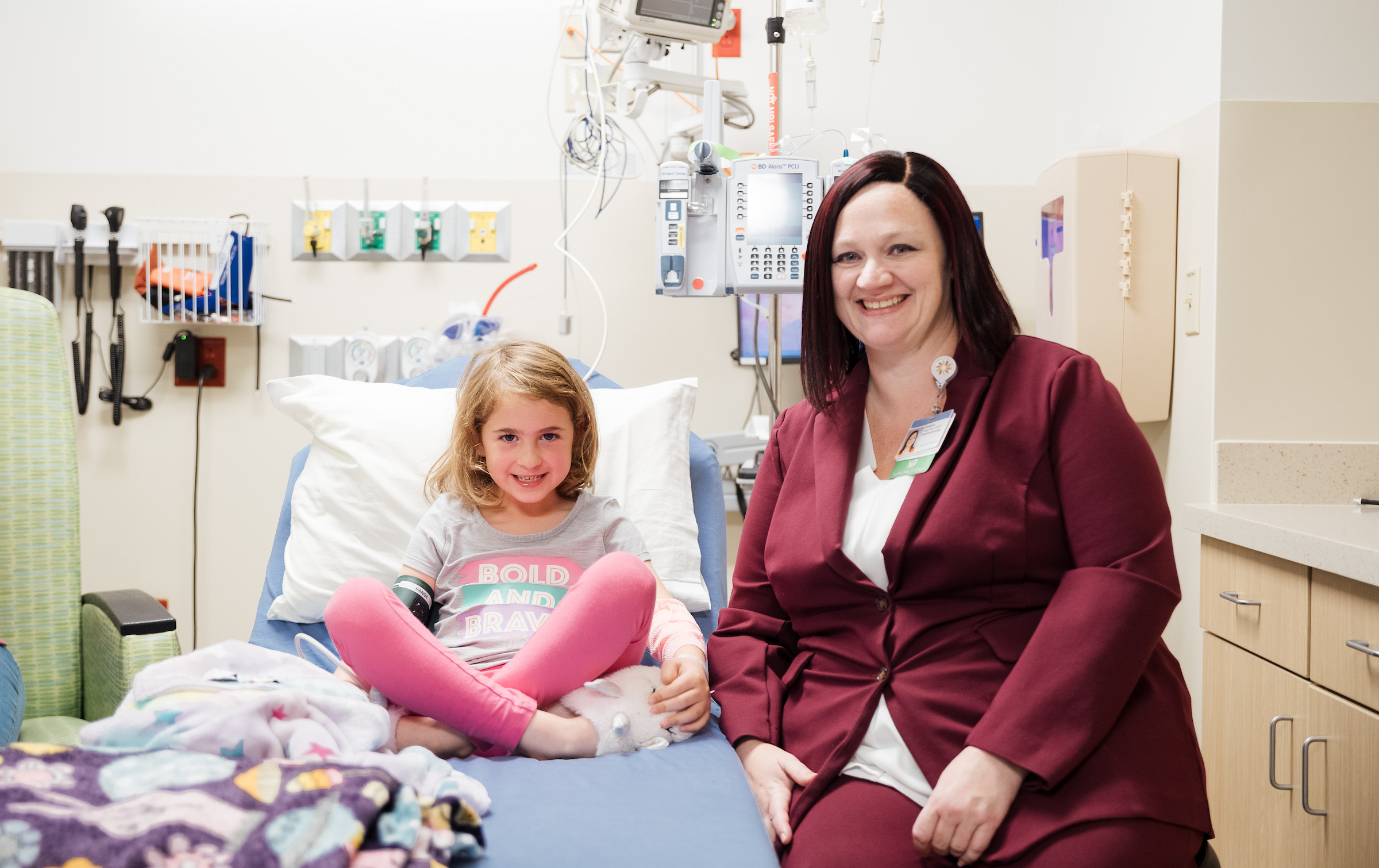
Diagnosing IBD requires a combination of lab work, imaging and procedures. At Dayton Children’s, we use a thorough and child-friendly approach that may include:
- Blood tests to check for signs of inflammation or anemia
- Stool samples to rule out infection
- Imaging tests like MRI or ultrasound to evaluate the digestive tract
- Endoscopy or colonoscopy to examine the lining of the GI tract and take small tissue samples (biopsies)
pediatric IBD care team

Pediatric surgeons
(if needed)

Mental health providers

Pediatric dietitians

Pediatric gastroenterologists
IBD treatment
Treating IBD in children takes a full care team, including pediatric GI specialists, nutrition experts and support staff who focus on whole-child wellness. Your child’s inflammatory bowel disease treatment plan will depend on their symptoms, age and response to care. Our goal is to manage inflammation, reduce flares and support healthy growth.
The treatment plan may include:
- Anti-inflammatory medications
- Immune system modulators
- Biologic therapies
- Nutrition therapy and supplements
- Surgery for complex cases
IBD FAQs
Have questions about pediatric IBD? You’re not alone. Below are some answers to help you understand how IBD affects kids and what you can do.
While there is no cure, it can be effectively managed. With the right medications and care, many children achieve long periods of remission with minimal symptoms.
Pediatric IBD is increasingly common, with many cases diagnosed between the ages of 10 and 20. However, younger children can also be affected.
IBD causes inflammation and damage to the GI tract. IBS, while uncomfortable, does not involve inflammation or long-term damage.
Children with IBD may experience different symptoms and complications, especially related to growth and development. That’s why specialized pediatric care is essential.
If your child is struggling with symptoms of IBD, do not wait to get answers. Talk to your pediatrician or connect with Dayton Children’s gastroenterology team. We offer advanced pediatric care, innovative treatments and a team that understands the unique needs of kids and families navigating chronic GI conditions.
our IBD providers
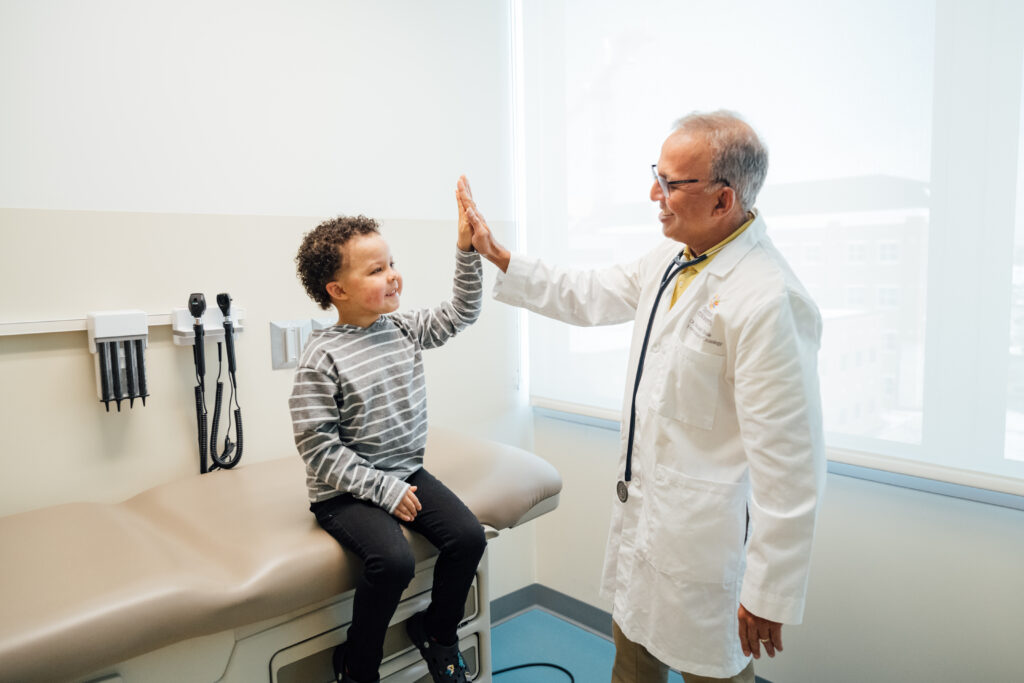
Our pediatric GI specialists are experts in treating kids with IBD. We offer personalized care that supports both medical and emotional well-being.
No posts found in the selected category.
get pediatric IBD treatment
For questions about inflammatory bowel disease or to get started with care, schedule an appointment with our pediatric gastroenterology team or call 937-641-4000