fractures
about pediatric fractures
Fractures in children happen when a bone is cracked or broken, often during play, falls or sports. Kids’ bones are still growing, which makes them more flexible than adult bones, but also more prone to certain types of breaks. With the right care, most kids recover quickly. At Dayton Children’s, we treat everything from growth plate fractures to broken fingers and help families feel confident through the healing process.
symptoms
If your child has had a fall or injury, here are common signs of a broken bone to watch for:
- Pain and tenderness at the injury site
- Swelling and bruising
- Trouble moving the limb or joint
- Unusual bend or deformity in the bon
- Can’t put weight on leg or foot
- Avoiding use of arm, hand or finger
diagnosis
Fractures are diagnosed through physical exams and imaging. Pediatric providers assess pain points, swelling and movement, then confirm the type of fracture with imaging tests.
The fracture diagnosis process may include:
- Physical exam and medical history
- X-rays for confirmation
- MRI or CT for more complex injuries
- Growth plate evaluation (if near joints)
- Pain and mobility assessment

fracture treatment
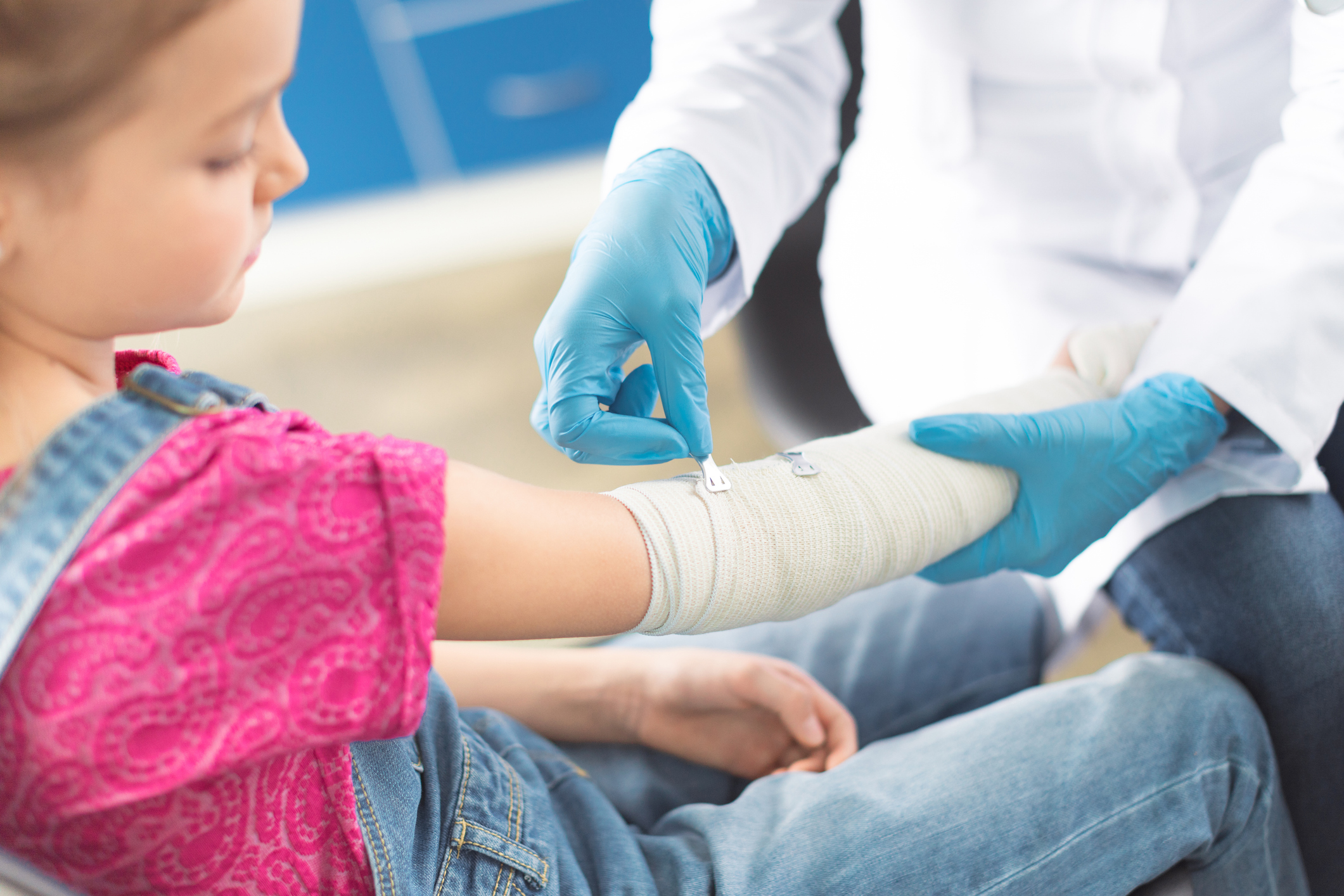
Once a fracture is diagnosed, your child’s treatment plan will depend on the type and severity of the injury. These are the most common treatment approaches for pediatric fractures.
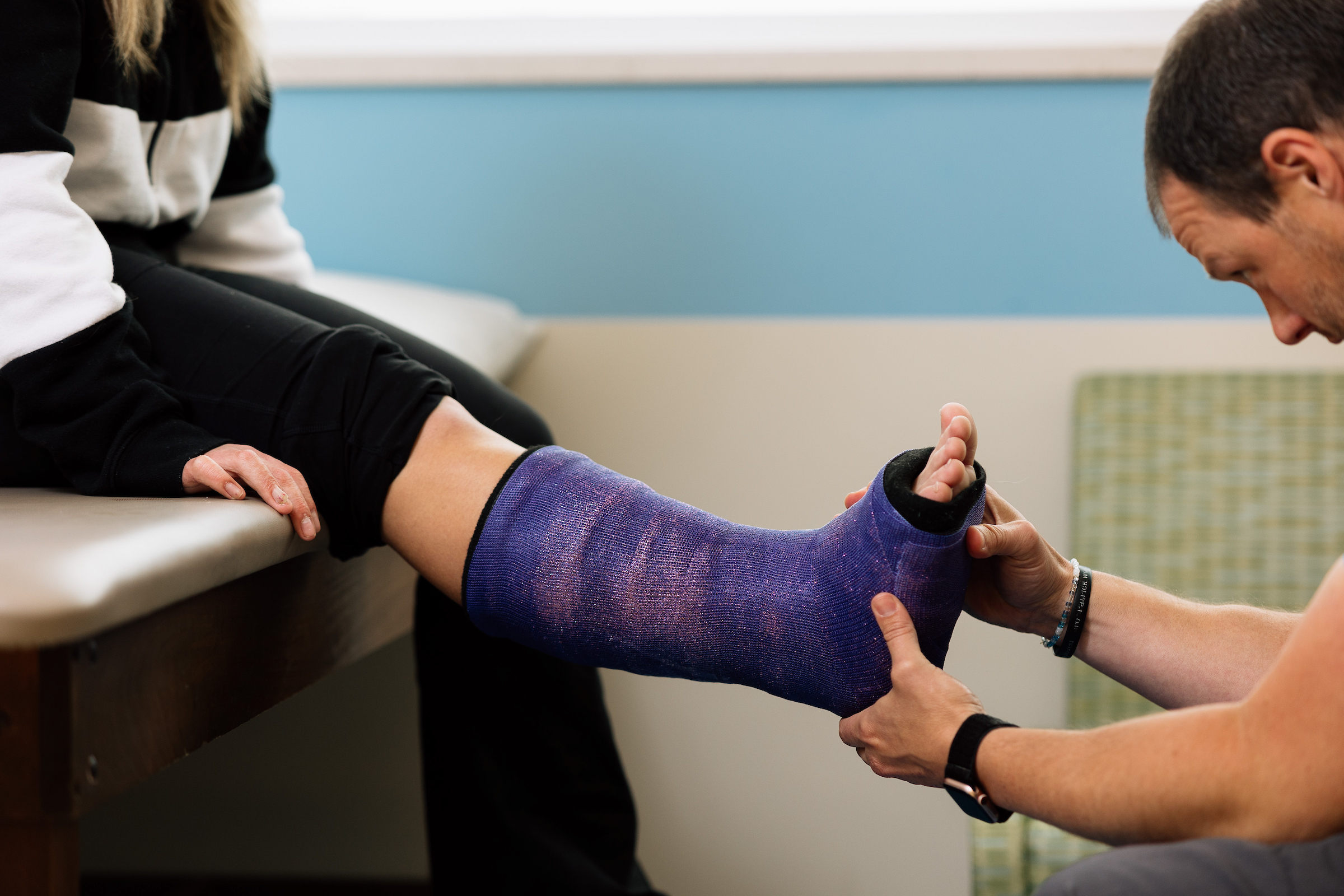
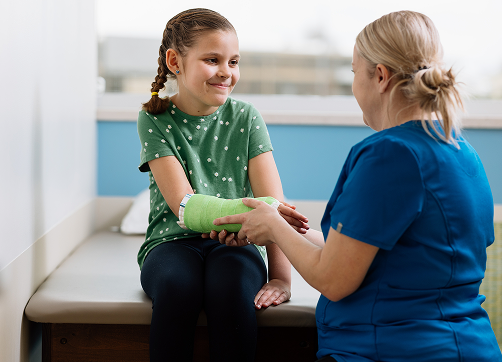
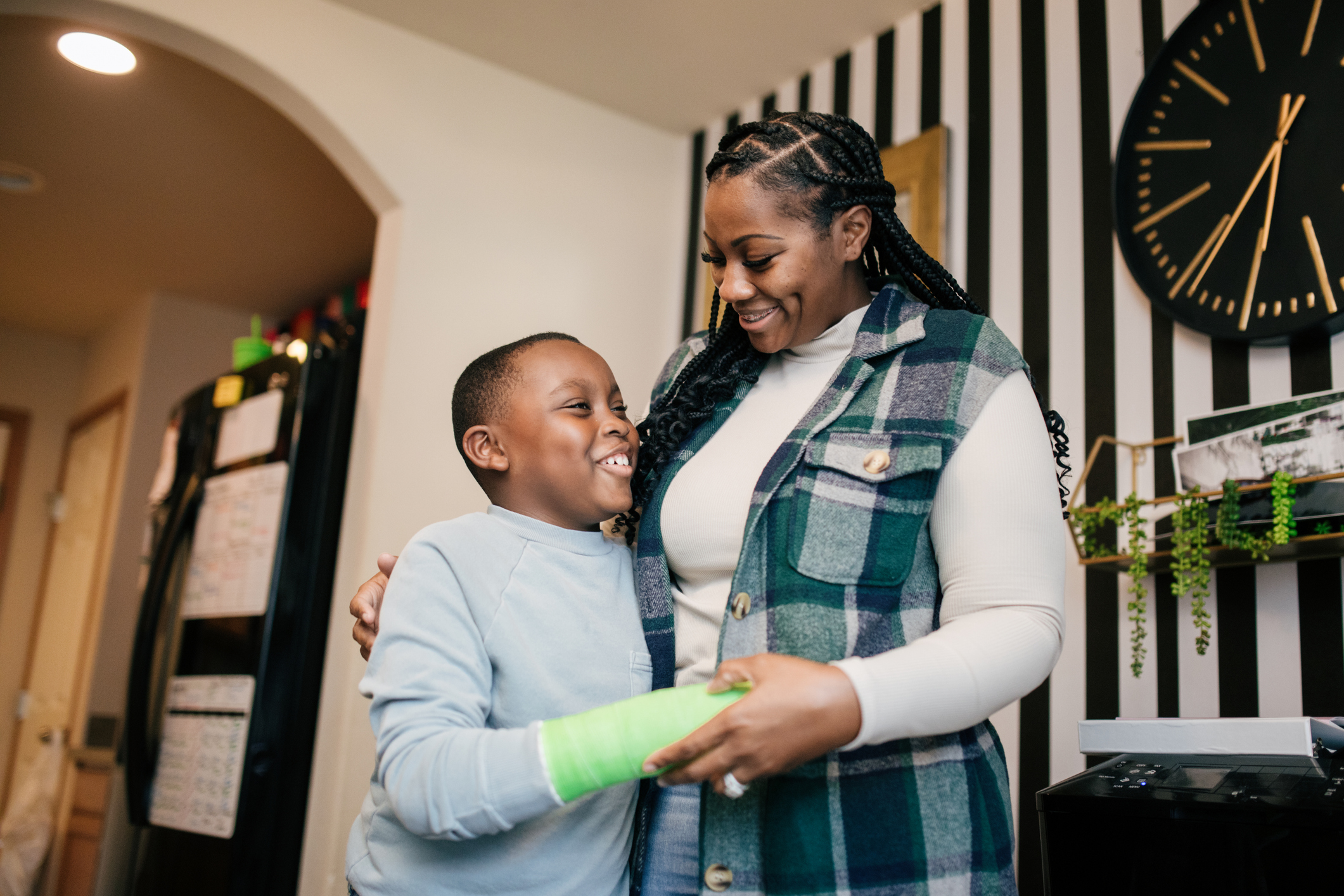
For many minor fractures (like greenstick or simple arm fractures), a cast or splint is often all that’s needed. These help keep the bone still while it heals and protect it from further injury. Kids usually adapt quickly and your care team will give you tips for keeping the cast dry and clean.
More serious injuries, such as compound fractures or displaced bone breaks, may require surgery to properly realign the bones. While the word “surgery” can sound scary, our pediatric orthopedic providers at Dayton Children’s use child-friendly techniques to support safe healing and minimize long-term complications.
fracture FAQs
Fractures can be confusing. Here are some of the most common questions from parents.
A broken finger can be easy to miss. Look for signs like swelling, bruising, pain with movement and difficulty bending or straightening the finger. You may also notice your child avoiding the use of their hand altogether. In some cases, the finger may appear slightly crooked or misaligned. If symptoms persist or the finger looks deformed, an X-ray is usually the best way to confirm whether it’s a fracture or a sprain.
Children with a broken foot may complain of pain when standing, walking or putting any pressure on the foot. Look for swelling, bruising, redness and difficulty bearing weight. In some cases, your child might limp, crawl or avoid walking altogether.
Since foot bones are small and still developing, even a small crack can be painful. If your child is in discomfort or can’t walk normally, it’s best to have the foot examined by a professional.
Choosing between urgent care and the emergency department (ED) depends on the severity of your child’s injury. We recommend going to urgent care if the pain is mild to moderate, there’s no visible deformity and your child can move the limb a little. Most urgent care centers can take X-rays and apply a splint.
Head to the emergency department if there’s severe pain, visible deformity, inability to move the limb or an open wound where the bone may be exposed. These are signs of a more serious fracture, such as a compound or displaced break, which may require immediate surgical care.
Head to the emergency department if there’s severe pain, visible deformity, inability to move the limb or an open wound where the bone may be exposed. These are signs of a more serious fracture, such as a compound or displaced break, which may require immediate surgical care. You can check current wait times for urgent care and emergency care here.
Managing pain from a broken bone is an important part of helping your child feel safe and comfortable. Here are some trusted pain relief options:
- Ice packs: Apply for 15–20 minutes at a time to reduce swelling and inflammation
- Over-the-counter medications: Acetaminophen (Tylenol) or ibuprofen (Advil, Motrin) are generally safe and effective. Your doctor can help you choose the right one based on your child’s age and medical history
- Elevation: Raising the injured limb above heart level can help reduce swelling and throbbing pain
- Comfort and distraction: Don’t underestimate the power of rest, cuddles, a favorite movie or calming reassurance from you
our orthopedic providers
Our pediatric orthopedic specialists treat fractures in children of all ages. From diagnosis to recovery, we support your child every step of the way.


get fracture treatment
If your child has signs of a fracture, don’t wait. Schedule online or call 937-641-4000.