anterior cruciate ligament (ACL) tear
about ACL injuries
An ACL injury affects the anterior cruciate ligament, which helps stabilize the knee during movement. These injuries are especially common in young athletes during sports that involve jumping, pivoting or sudden stops. Dayton Children’s Hospital ACL program is designed specifically for pediatric patients, offering a full spectrum of care from diagnosis and treatment to recovery and injury prevention.
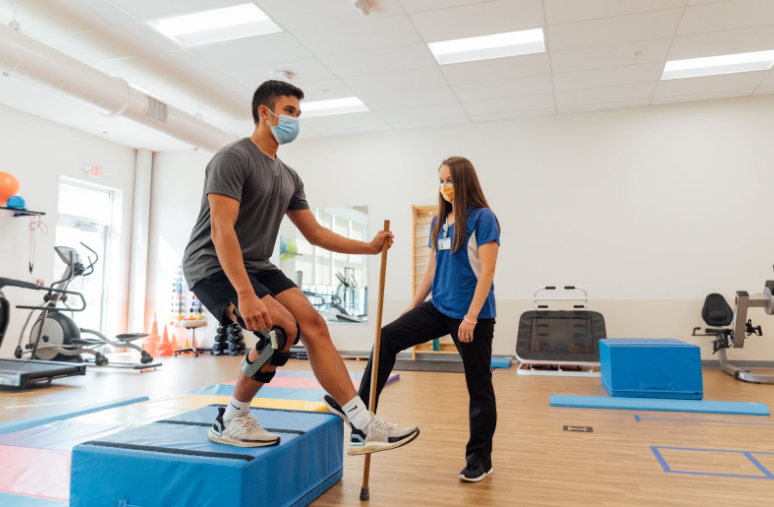
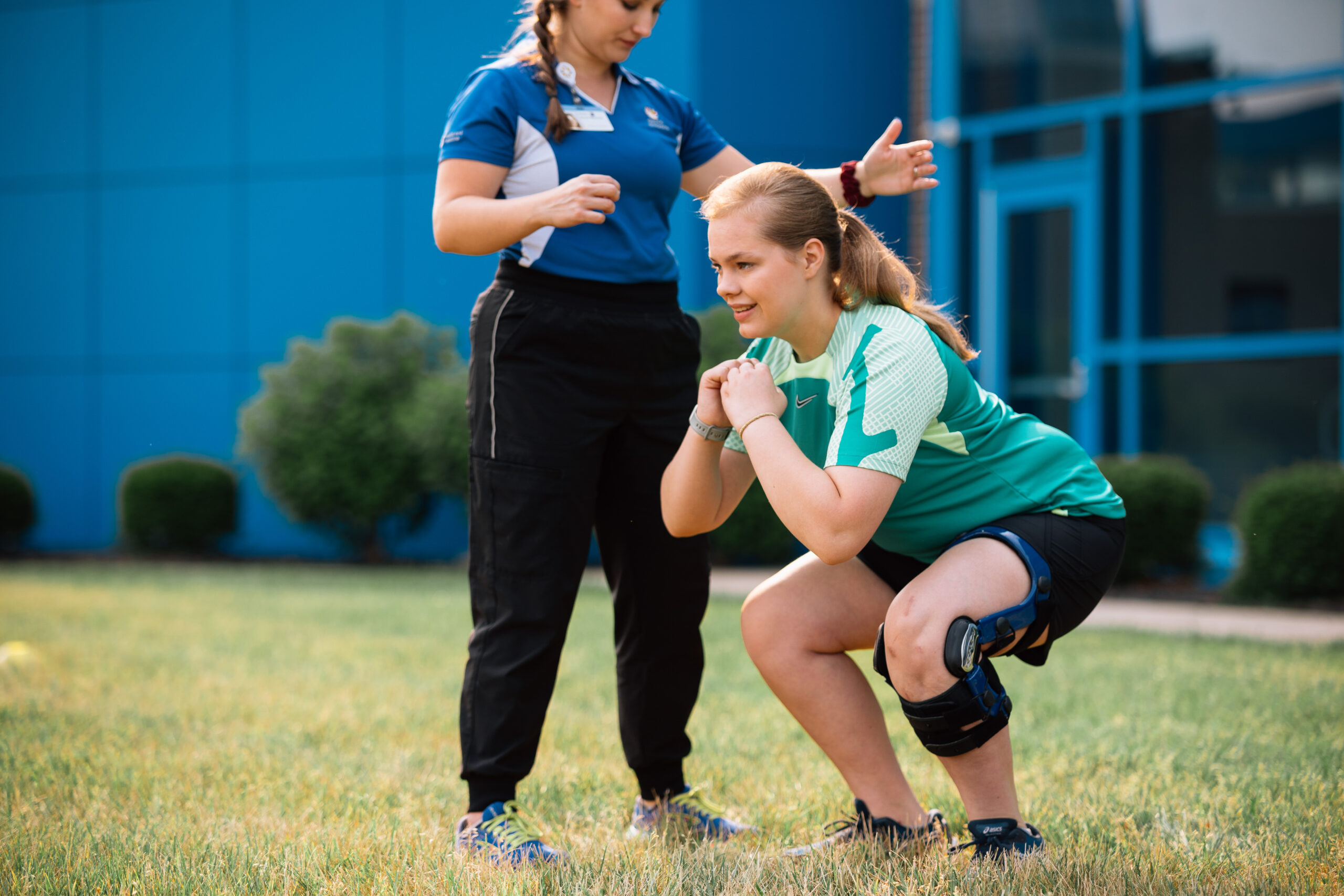
We also emphasize early pain management and “prehabilitation”, guided therapy before surgery that helps strengthen the knee and improve recovery outcomes. This focus sets our program apart and helps young athletes return to activity with more confidence.
symptoms
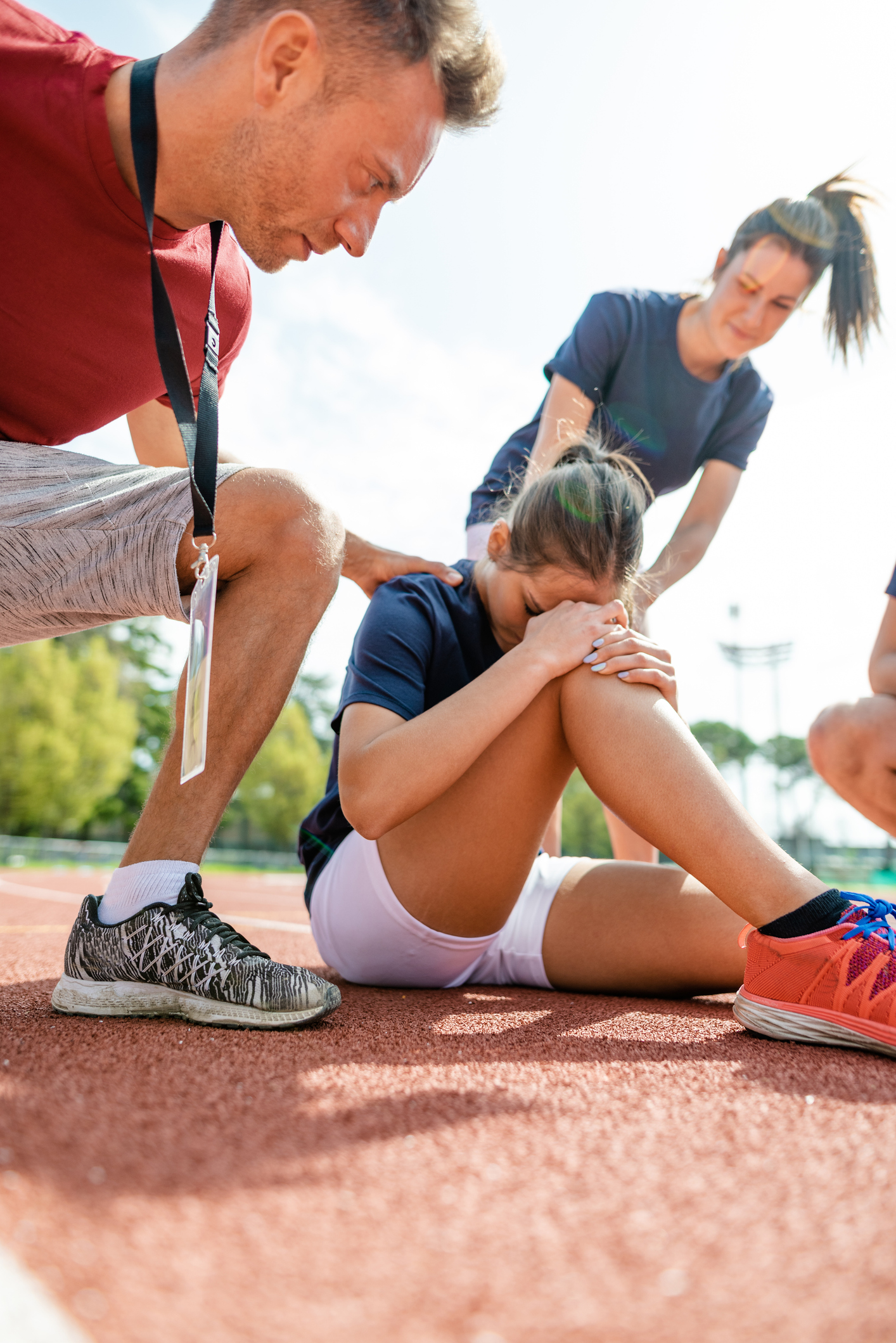
Pay attention to the following symptoms if your child has experienced a twist or impact to the knee:
- Knee giving out or buckling during movement
- Popping sound or sensation at the time of injury
- Swelling within a few hours after the incident
- Trouble walking or bearing weight
- Pain with knee movement or when trying to straighten the leg
diagnosis
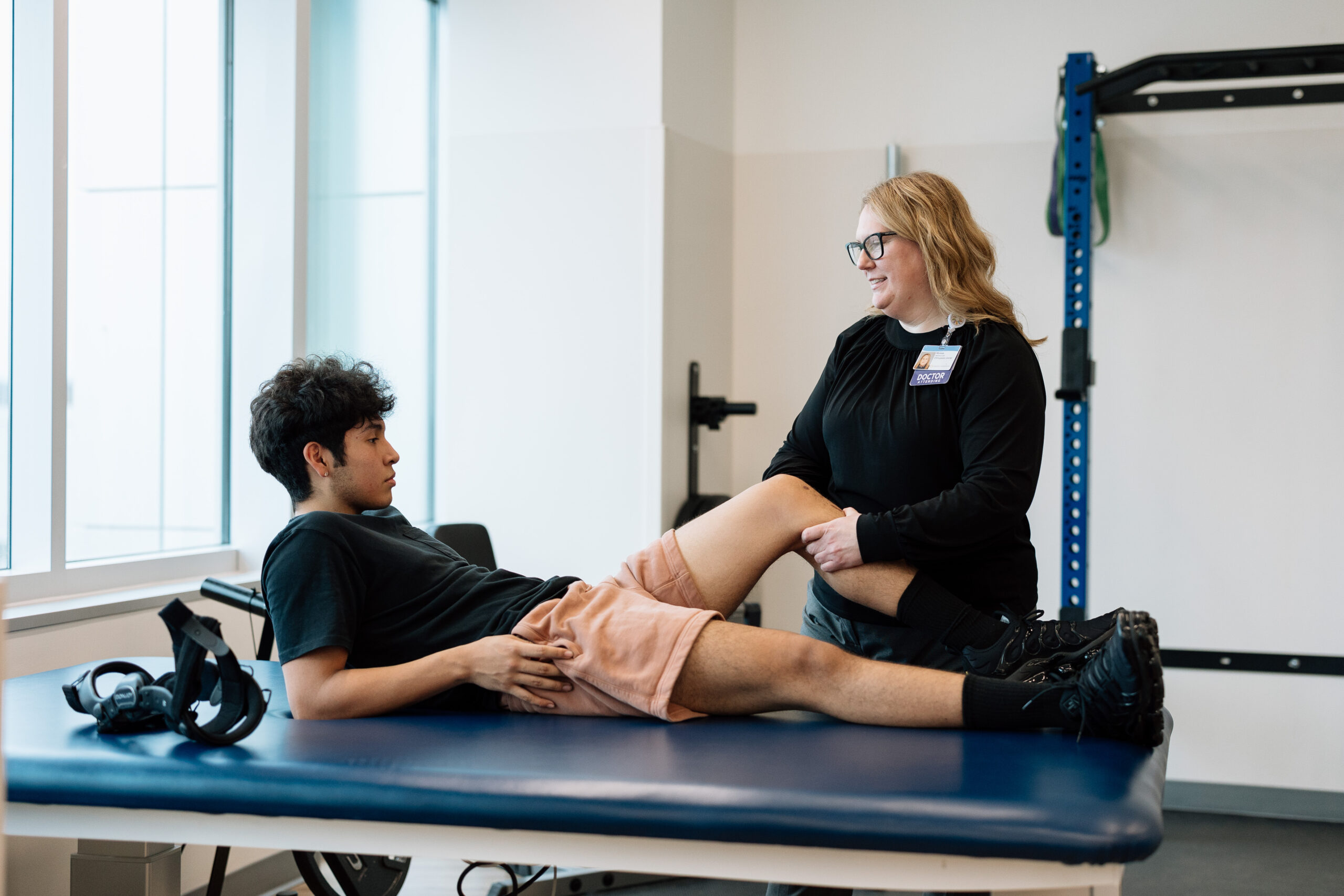
Diagnosing an ACL injury begins with a detailed physical exam and history of how the injury occurred. Our pediatric orthopedic specialists may also use advanced imaging, such as X-rays or MRI, to assess the damage and determine the best course of action.
ACL injury diagnosis may include:
- Physical exam and knee movement testing
- Review of injury event and symptoms
- X-rays or MRI to view ligament tears or bone involvement
- Growth plate evaluation for surgical planning
ACL injuries treatment
Treatment is tailored based on injury severity, age, activity level and growth potential. Minor injuries may be treated non-surgically, while more serious ACL tears, especially in active children, may require surgery. Dayton Children’s offers personalized care including the BEAR implant, a minimally invasive option that encourages natural healing of the ACL.
ACL treatment plan may include:
- Rest, bracing, and activity modifications for minor tears
- BEAR implant (Bridge-Enhanced ACL Restoration)
- ACL reconstruction surgery for complete tears
- Physical therapy and guided ACL rehab
- Prehabilitation (structured therapy before surgery to strengthen the knee and improve post-op recovery)
- Pain management strategies, including bracing, medication and therapy support
- Preventive strength and motion training
This combined approach ensures every child receives the right level of care, whether that means non-surgical management, advanced surgical options, or a return-to-play program designed just for them.
ACL FAQs
Have questions about pediatric ACL injuries? Here are some answers to common parent concerns.
ACL reconstruction surgery is a procedure to replace the torn ligament with a graft, often taken from the patient’s own hamstring or patellar tendon. At Dayton Children’s, we use techniques tailored for growing children to protect the growth plates while restoring knee stability. Surgery is followed by a structured rehab program to help athletes safely return to activity.
This often signals a ligament injury, such as an ACL tear, especially if it happens during running, pivoting or landing. It’s a sign the knee isn’t stable and should be evaluated by a specialist.
It can be, especially if the pop was followed by immediate swelling, pain or difficulty walking. Many ACL tears are first noticed by a popping sensation during a sudden movement. However, not all popping means a torn ACL. It could also be due to a minor sprain, a shifting tendon or irritation in the kneecap. If the popping keeps happening or is accompanied by other symptoms, it’s best to get it checked.
Most children recover in about 6–9 months, depending on the severity of the injury and their commitment to rehab. Recovery includes physical therapy, activity restrictions and monitored return to play. Some athletes may need closer to 9–12 months for full return, especially if their sport requires intense pivoting or cutting. Our team sets clear milestones to track progress and minimize reinjury risk.
Yes. Our pediatric orthopedic surgeons use techniques specifically designed to protect growing bones and minimize long-term risks. We always factor in your child’s stage of development when planning surgery.
In most cases, yes. With a structured recovery plan and medical clearance. We guide athletes through a gradual return-to-play program that builds strength, agility and confidence step by step. Our goal is not only safe return, but helping young athletes reduce reinjury risk and return at their peak level of performance.
our orthopedic and sports medicine providers
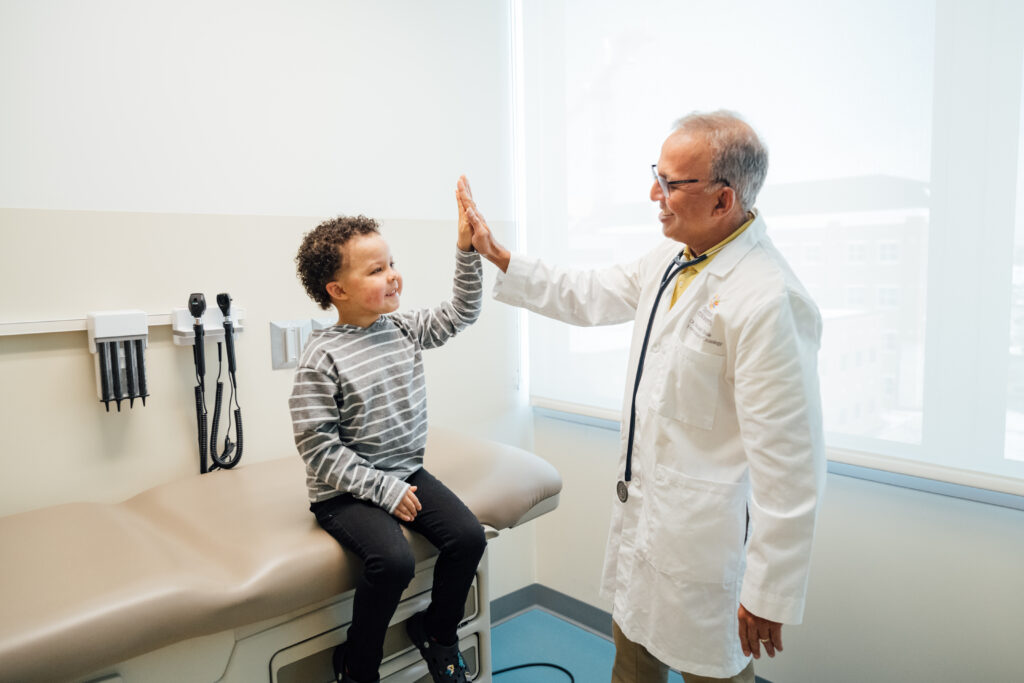
Meet our pediatric orthopedic team dedicated to ACL care and recovery for children and teens.

get ACL treatment
Worried about your child’s knee pain or ACL injury? Dayton Children’s pediatric orthopedic team is here to help. Schedule online or call 937-641-4000.