May 23, 2025 | blog post

meet our newest (and furriest!) member of the mental health team

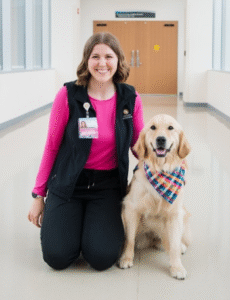
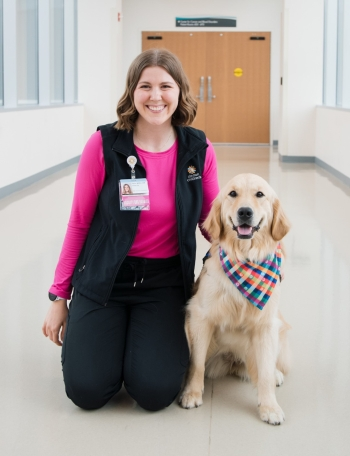
We’re excited to share something very special with our patient families – a new teammate who is already bringing comfort, calm and connection to patients. She’s friendly, she’s furry and she has a wagging tail that’s helping transform the way we support mental health and wellness. Meet our newest facility dog in our Canine Co-pilots program, Piper!

Piper works alongside her primary handler, Taylor. Taylor is a licensed independent clinical social worker with extensive experience as a mental health therapist. Together, Taylor and Piper, work together to tailor interventions and support the unique challenges kids may face during their time with us. Whether your child is newly admitted, struggling to open up, or facing tough emotions, this dynamic duo is here to help.

how Piper will help patients at the Mathile Center for Mental Health and Wellness

Piper plays a special role in individual therapeutic sessions. Here are some of the way she and Taylor help support patients:

  • Helping patients adjust to the unit: being in a new place can be overwhelming. Piper offers comfort to patients who feel hesitant about being admitted to the mental health unit. While Taylor can help explain what to expect, the dog provides gentle reassurance.
  • Building trust and connection: Dogs have a natural ability to break down walls. Many patients feel more comfortable talking to a therapist when Piper is there. She helps bridge the gap and builds the trust needed for healing.
  • Support during hard conversations: Whether it’s discussing trauma or navigating big emotions, Piper is there to lay beside patients, offer deep pressure for grounding, or just be a steady presence to hold onto.
  • Lifting spirits and highlighting strengths: Piper’s playful and loving nature makes it easier for patients to engage in positive conversations about coping skills, goals and navigating conflict.
  • Modeling healthy routines: Piper models positive coping strategies and can demonstrate how she maintains a good mindset and mood. She can also model activities of daily living like brushing her teeth and brushing her hair. These fun interactions help reinforce how small daily habits can make a big impact on both mental and physical health.
  • Getting active together: Movement is a key part of mental wellness. Through structured play and physical activities, Piper helps patients burn off energy, stay focused in therapy, and feel good in their bodies.
group therapy sessions

Beyond individual sessions, Piper has dedicated animal-assisted group therapy sessions weekly. She helps lead discussions on important topics like self-control, connection, coping skills and resilience. Her calming presence helps patients feel safe and supported as they work through their feelings together.

crisis response

Piper is more than just a cuddly companion – she is specially trained in behavioral management and crisis response. In emergency situations, Piper and Taylor can respond to codes to support patients in distress. Since the involvement of our facility dogs in code responses, we have seen drastic results:

  • Odds of using physical restraint were 71% lower
  • Average time in physical restraints was 18.5 minutes shorter
  • Odds of intramuscular medication administration were 37% lower

These outcomes speak to the incredible impact of compassionate, canine-assisted approaches to care.

We know that mental health challenges can be tough – for both patients and their families. That’s why we’re so proud to offer innovative, heartwarming support through our facility dog program. Piper isn’t just a pet – she’s a partner in healing, connection and resilience. And she’s already making a difference in the lives of the children we serve.

Happy Mental Health Month – from all of us, and a very special wag of the tail from our newest teammate, Piper!

For more information about our Canine Co-pilots program, click here

care that goes above and beyond

Because every child deserves care that goes above and beyond, Dayton Children’s provides compassionate, expert care for kids of all ages. Find a provider, schedule an appointment, or learn more about conditions we treat today.

January 26, 2024 | blog post

can kids get lonely?

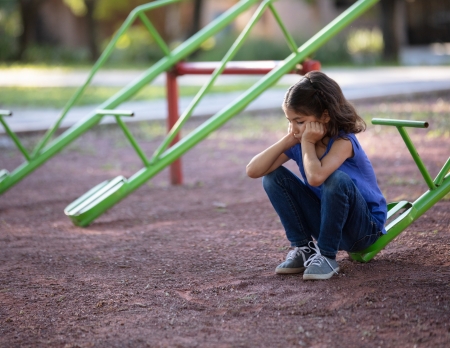
child sitting at a playground looking lonely

It’s normal for everyone to experience periods of feeling lonely – even kiddos! It may be hard to recognize when your child may be feeling lonely, so we asked Dr. Mary Beth DeWitt, PhD, division chief of pediatric psychology at Dayton Children’s Hospital, how to recognize and respond to signs of loneliness, as well as how to connect with their child about their feelings.

recognizing loneliness

Children may not know how to express with words they are feeling lonely. They may express loneliness a few different ways:

  1. Complaining about being bored
  2. Saying “I’m fine”
  3. Saying they have no friends or complaining about their friends
  4. Wishing to spend more time with their parents
  5. Changes in behavior like clinginess or seeking negative attention

It’s important to watch for changes in behavior as the above ways could indicate feelings of loneliness. Make sure you have regular conversations with your child about their days and activities to understand what they might be feeling. We can help teach our kids what some emotions mean and feel like (although we should not just expect that we know how our kids feel or how to solve their problems).

risks of loneliness

We know our minds and bodies are connected, so both can be affected by social isolation or lack of connectedness. Physical and mental signs of loneliness may include increased anxiety, depression, poorer sleep, unexplained aches and pains and poorer self-esteem.

how can you help a child who is lonely?

Some evidence suggests that it is best to help manage the thoughts associated with loneliness by getting children more involved. Parents can begin a conversation by talking about any concerns their child might be having, and helping them explore their interests and activities. Help them practice ways to talk to others if they are feeling nervous. Many friendships begin with common interests. Consider having your child participate in an activity of interest to them (not all kids love sports, consider a youth group at church, Scouts or library time). Arrange play dates to help kids feel connected.

Connect with their teachers to better understand their social pattern at school. Consider ways to help build their connection in the school environment (small group activities, classroom helper jobs, etc.)

By recognizing and responding to signs of loneliness in children, parents can proactively promote their child’s mental and physical well-being. Staying engaged, having conversations and getting children involved in social connections with kids of common interests can help with the challenges of feeling loneliness and encourage stronger social bonds.

care that goes above and beyond

Because every child deserves care that goes above and beyond, Dayton Children’s provides compassionate, expert care for kids of all ages. Find a provider, schedule an appointment, or learn more about conditions we treat today.

March 27, 2023 | blog post

what’s the difference between a psychiatrist, psychologist and a social worker/therapist?

Many people use the words psychiatrist, psychologist and therapist interchangeably. While there are a lot of commonalities between the three professions, they are also very different. The three specialists can work closely together help improve patients’ mental health. Before we dive in – it’s ok if you aren’t sure which could be helpful for your child! Our Mental Health Resource Connection can help point you in the right direction. 

We sat down with three of our mental health providers at Dayton Children’s Hospital to explain the difference between these three.

what is a psychiatrist?

by Katherine Winner, MD, chief of psychiatry at Dayton Children’s Hospital

A psychiatrist is a medical doctor and can prescribe medication. Psychiatrists can assess, treat and provide medication management for mental, behavioral and developmental conditions. Often times patients will see a psychologist or therapist first and then be referred to psychiatry if medication is deemed necessary. Psychiatrists also do research, a very important contribution to the profession, both academically and clinically

At Dayton Children’s, psychiatry provides services for the following concerns:

  • Adjustment disorders
  • Anxiety
  • Attention deficit hyperactivity disorder (ADHD)
  • Autism spectrum disorder
  • Bipolar disorder
  • Depression
  • Developmental disorders
  • Disruptive behavior disorders
  • Obsessive compulsive disorder
  • Post-traumatic stress disorder and other trauma related disorders
  • Psychosis

what is a psychologist?

by Mary Beth DeWitt, PhD, chief of psychology at Dayton Children’s Hospital

Psychologists hold doctorate degrees, but they do not attend medical school and therefore cannot prescribe medication. Psychologists assess and treat mental, behavioral and developmental conditions. They aim to reduce psychological distress and promote psychological well-being. Clinical psychologists also provide consultation, training and supervision to other professionals and other agencies. Like psychiatrists, psychologists do research, too.

At Dayton Children’s, psychology provides these services:

  • Address functioning in children with chronic medical conditions
  • Address adjustment issues related to medical conditions
  • Provide psychoeducational assessment for children with complex learning and behavioral health conditions that are not addressed at school

what is a therapist/social worker?

by Jeremy Hayworth, LPCC-S, program director of outpatient therapy at Dayton Children’s Hospital

Licensed social workers and counselors (both often referred to as therapists) obtain a master’s degree, then must be approved by their licensing board to practice. Therapists can provide a diagnosis and treatment plan for a mental health condition. Therapy often includes individual, group sessions and family sessions to help reduce symptoms and improve their management of symptoms.

more about the Mental Health Resource Connection

The Mental Health Resource Connection program is a service that connects patients and families to available mental health services in the community. The service is administered by social workers experienced in evaluating pediatric mental health needs and the services required to meet those needs. If you’re looking for connection to mental health resources, click here.


care that goes above and beyond

Because every child deserves care that goes above and beyond, Dayton Children’s provides compassionate, expert care for kids of all ages. Find a provider, schedule an appointment, or learn more about conditions we treat today.

February 21, 2023 | blog post

how can I help my child’s anxiety about storms and bad weather?

Fears about thunderstorms, tornadoes or other inclement weather are common in children. Storms can be very overwhelming for some children, with flashes of lightning, booming thunder, high winds and pounding rains resulting in sensory overload. As children get a little older, they understand that sometimes storms and tornadoes can result in destruction and even death. This often results in a great deal of anticipatory anxiety surrounding bad weather. In addition, seeing their parents feeling anxious and nervous about bad weather can evoke additional fear in children.

There are things parents can do to help their children cope with storms.

  1. Have a storm plan: Parents can have a storm plan in place before the bad weather occurs. A plan should include identifying a specific safe place in the house to go to during storms. This place should have emergency supplies such as water, blankets and flashlights available. Parents can also identify a more comfortable, fun place in the home where children can go during nonemergent storms. This place might be away from windows and the sights and sounds of the storm. Having some relaxing time with a parent or a sibling in this space (e.g., reading a book together) can help ease children’s anxiety.
  2. Create a “storm kit”: Parents might consider helping their children create a “storm kit” that the children will only use during storms. Such a kit might include fun activities like puzzles, markers, fidgets and battery powered games. These types of activities can help distract children from their anxiety. A fun flashlight or lantern with batteries can also help ease anxiety in case the power goes out.
  3. Be honest with kids and reassure them of their safety: It is best to be honest with children about the weather. While talking about what is happening with the weather (e.g., a tornado has been spotted nearby), parents should also reassure their children that they are doing everything they can to keep them safe and that they will get through the storm together.
  4. Educate about storms: Some children may benefit from education about storms and tornadoes. Books and websites that discuss storms may be a good place for children to get information, as understanding what causes storms can ease some children’s anxiety about when a storm may happen. Education about storms should focus on the storms themselves and not the destruction they cause. Watching a news report in the spring may lead some children to believe that all tornadoes result in terrible death and destruction and this is just not the case.
  5. Remain calm: Because children clearly take cues from their parents, they are more likely to feel at ease during a storm if their parents remain calm during a storm. If parents struggle with high anxiety during inclement weather, they may benefit from taking some actions to help themselves feel safer (e.g., going to a safe place in the house) or engaging in activities to distract themselves (e.g., playing a game with a child, reading a book).

A fear of storms can typically be managed by parents at home. However, if children are fixated on the weather, such as constantly monitoring weather apps or frequently checking the forecast, parents may need to restrict access to that information. For those children whose fears are not calmed by their parents at home, parents can speak with their children’s primary care physician about whether a consultation with a psychologist or other mental health provider may be beneficial. 

care that goes above and beyond

Because every child deserves care that goes above and beyond, Dayton Children’s provides compassionate, expert care for kids of all ages. Find a provider, schedule an appointment, or learn more about conditions we treat today.