can kids get lonely?

child sitting at a playground looking lonely

It’s normal for everyone to experience periods of feeling lonely – even kiddos! It may be hard to recognize when your child may be feeling lonely, so we asked Dr. Mary Beth DeWitt, PhD, division chief of pediatric psychology at Dayton Children’s Hospital, how to recognize and respond to signs of loneliness, as well as how to connect with their child about their feelings.

recognizing loneliness

Children may not know how to express with words they are feeling lonely. They may express loneliness a few different ways:

  1. Complaining about being bored
  2. Saying “I’m fine”
  3. Saying they have no friends or complaining about their friends
  4. Wishing to spend more time with their parents
  5. Changes in behavior like clinginess or seeking negative attention

It’s important to watch for changes in behavior as the above ways could indicate feelings of loneliness. Make sure you have regular conversations with your child about their days and activities to understand what they might be feeling. We can help teach our kids what some emotions mean and feel like (although we should not just expect that we know how our kids feel or how to solve their problems).

risks of loneliness

We know our minds and bodies are connected, so both can be affected by social isolation or lack of connectedness. Physical and mental signs of loneliness may include increased anxiety, depression, poorer sleep, unexplained aches and pains and poorer self-esteem.

how can you help a child who is lonely?

Some evidence suggests that it is best to help manage the thoughts associated with loneliness by getting children more involved. Parents can begin a conversation by talking about any concerns their child might be having, and helping them explore their interests and activities. Help them practice ways to talk to others if they are feeling nervous. Many friendships begin with common interests. Consider having your child participate in an activity of interest to them (not all kids love sports, consider a youth group at church, Scouts or library time). Arrange play dates to help kids feel connected.

Connect with their teachers to better understand their social pattern at school. Consider ways to help build their connection in the school environment (small group activities, classroom helper jobs, etc.)

By recognizing and responding to signs of loneliness in children, parents can proactively promote their child’s mental and physical well-being. Staying engaged, having conversations and getting children involved in social connections with kids of common interests can help with the challenges of feeling loneliness and encourage stronger social bonds.


last reviewed

care that goes above and beyond

Because every child deserves care that goes above and beyond, Dayton Children’s provides compassionate, expert care for kids of all ages. Find a provider, schedule an appointment, or learn more about conditions we treat today.

the anesthesia team behind the “connected” documentary

Dr. Antosh poses for a photo at Dayton Children's Hospital while wearing his scrubs

One of the most critical aspects of any surgery is anesthesia. Putting kids asleep and ensuring they stay asleep through surgery and wake up safely is a delicate balance that the anesthesiology team at Dayton Children’s manages each day with surgery patients.

The anesthesiology team at Dayton Children’s prepares for and treats each child and their unique needs. For Pedro and Augusto, the same rules applied.

All of the anesthesiologists at Dayton Children’s are pediatric board certified and only take care of children. Children have very different physiology as they grew from infants to adults. Therefore, they need an anesthesiologist who is trained in their special needs and how their bodies react differently to medications typically used during surgery.

Once the team knew the boys were coming to Dayton for surgery, the preparations began. We sat down with Dr. Sean Antosh, MD, pediatric anesthesiologist and lead for all things anesthesia when it came to the twins, to learn more about his approach for this case.

Tell us about the team involved in Pedro and Augusto’s care.

There was a dedicated team of six anesthesiologists and four nurse anesthetists who donated their time for the cases. The team rotated from case to case and I lead the team for every anesthetic.

Teams were always separated by blue and grey, to make sure we had a dedicated team per twin. We needed to have two anesthesia setups for every anesthetic, to include ventilators, medications, medication machines, etc. Additionally, we always had to be prepared for emergency separation if there was an issue where one or both twins needed resuscitation. 

What planning did you have to do prior to the surgeries?

The team planned for more than a year through extensive literature review of previous craniopagus twins and their anesthesia management. 

We also discussed with colleagues at other institutions about how they have taken care of similar patients in the past. 

How was medical imaging involved?

We created detailed step-by-step plans to walk through the anticipated course of events. We also conducted multiple practice sessions for each imaging study due to changes in location and setups.

During the first several anesthetics, we tested how long it took for a medication given to one twin to reach the other twin. This allowed us to determine the extent of the blood connection between the two and how each affected the other’s anesthetic. 

How did you practice in case of an emergency?  

At the core of our training were departmental and hospital wide mock codes to practice resuscitating the twins in case of an emergency.

A new “code blue double” was developed to notify the team that a code blue requiring more resources than typical was occurring. Specific color-coded team member role stickers were developed to facilitate the resuscitation of the twins and throughout the twin’s hospital stay, two defibrillators were always available at bedside, in case they were needed. 

simple graphic explaining the codes that doctors used in Augusto and Pedro's surgery

What was involved when it came time for surgery?

We always started anesthesia with blue twin (Augusto) to go off to sleep, followed by grey twin (Pedro). Each team worked independently; however, we were in constant communication with one another.

Pedro’s blood pressure was always lower than Augusto’s, so we had to be cognizant of the level of anesthesia for Pedro. Additionally, we were always prepared for massive transfusion of blood products for both boys – which required constant communication and collaboration with the blood bank.

For the final separation, we had a rotating schedule which was extended for 72+ hours. Due to the critical nature, we had anesthesiologists in the operating rooms overnight to provide care even though surgery was not underway.

watch the connected documentary

To learn more about Pedro and Augusto, watch the connected documentary today.

last reviewed

care that goes above and beyond

Because every child deserves care that goes above and beyond, Dayton Children’s provides compassionate, expert care for kids of all ages. Find a provider, schedule an appointment, or learn more about conditions we treat today.

Dayton Children’s releases documentary following the unprecedented separation surgeries of exceptionally rare conjoined twins

Boys beat the odds time and time again to be separated in a two-year, multi-surgery process

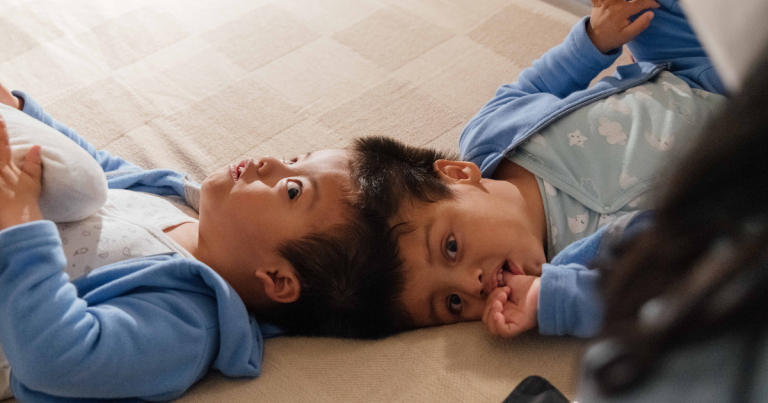
Pedro and Augusto, conjoined twins, were separated at Dayton Children's in 2022
  • In a groundbreaking, unprecedented series of surgeries, twin boys joined at the head were separated successfully.
  • This type of connection is one of the rarest conditions; this surgery greatly enriches the slim body of knowledge available on successful separation for this condition.
  • Extensive collaboration and planning helped give these boys the chance at more fulfilling and enriching lives.

Dayton Children’s Hospital premieres the hour-long documentary connected: the seemingly impossible separation of Pedro and Augusto, that follows the separation journey of the conjoined twins.

The 5-year-old boys came to Dayton Children’s in July 2021 joined at the top of the head with a 90 degree turn, classified as craniopagus O’Connell class III.

The condition is incredibly rare with an estimated 50 craniopagus twins born every year, with only an estimated 15 of those surviving more than a few months. The boys were separated over the course of two years and four major surgeries and returned home to their native country of Guatemala in June 2023.

“While we all fell in love with Pedro and Augusto during their time here, we are excited for them to return to their home country and culture,” says Ben Goodstein, vice president and chief ambulatory officer. “We will continue to keep an eye on them as their recovery process continues and enjoy their bright future ahead.”

The documentary chronicles the two years that surgeons and staff spent preparing and executing the series of separation surgeries for this rare and complex condition.

The documentary was produced and directed by Flyback Productions, a Chicago-based production company.

watch the trailer

“There is very little research or practical knowledge in medical literature about how to separate craniopagus twins, especially those who are connected at this angle,” says Robert Lober, MD, PhD, pediatric neurosurgeon for Dayton Children’s. “This documentary shows the real, sometimes overwhelming process of preparation, discovery and decisions that we went through for these boys, hopefully helping others born with this condition in the future.”

“While we prepared diligently, there were still surprises,” says Christopher Gordon, MD, chief of craniofacial and plastic surgery at Dayton Children’s. “Through it all, the boys were incredibly strong and their safety was our utmost concern.”

“The boys will steal your heart with their sweet giggles and dance parties,” says Elise Huntley, certified child life specialist. “They were incredibly strong – and sassy!”

the separation

Less than a third of craniopagus twins survive the first 30 days of life. Pedro and Augusto proved strong in beating those odds, but they were already starting to show signs of medical distress from sharing blood, brain and body functions.

Their family prayed for a way they could be separated, but it didn’t look likely. There have been very few surgeries on this type of connection and very little data available to gauge the likelihood of a successful separation.

After extensive testing, study and review, Drs. Lober and Gordon determined separation would be possible in a series of surgeries. The Dayton Children’s board of trustees agreed to the humanitarian effort that brought the boys to Dayton.

After two years, four surgeries and help from more than half a dozen organizations, the boys were officially separated at 5:43 am on April 8, 2022.

our deepest gratitude

Dayton Children’s thanks the world-class staff who dedicated their skills, minds and hearts to Pedro and Augusto. Our deepest gratitude also goes to the organizations without which this surgery would not have been possible:

  • Kettering Health Network
  • Hospital Roosevelt, Guatemala City
  • The Connor Group
  • 3D Systems
  • Hologic
  • Hope for Home Ministries 

The boys begin the next chapter of their lives back home in Guatemala as separate individuals but remain connected to the lives they touched here.

“Pedro and Augusto are forever in our hearts and will always have a second home in Dayton,” says Deborah A. Feldman, president and CEO for Dayton Children’s.

conjoined twin fast facts

The type of connection, the degree of connection, the sex of the children and their age at the time of the surgery make this one of the rarest separation surgeries in the world.

  • Only an estimated 50 craniopagus conjoined twins are born every year. That’s 5% of all conjoined twins. Normally only 15 live longer than a month after birth
  • Only 30% of conjoined twins are male
  • Only 1 in 200,000 live births are conjoined twins
last reviewed

care that goes above and beyond

Because every child deserves care that goes above and beyond, Dayton Children’s provides compassionate, expert care for kids of all ages. Find a provider, schedule an appointment, or learn more about conditions we treat today.

5 tips for motivating your teen

Mother praises son for performing well in school with homework

Do you ever ask yourself, “How do I motivate my teen?” Or maybe you’d say your teen is plenty motivated – to spend as much time as possible playing video games and to avoid undesired tasks like cleaning their room! Maybe you’ve tried offering incentives like hanging out with a friend, or maybe you’ve tried taking away privileges, like screen time.

Although these strategies can help short-term to increase motivation, it’s likely not kept up over time. This may be because teens go through a developmental shift from being motivated by external sources to being motivated by internal sources. What does that mean?

  • External sources: Things like extra allowance, access to the family car, screen privileges
  • Internal sources: Becoming good at something, achieving milestones related to future goals

External rewards will give your teen some momentum and are a starting point. But, they likely will not sustain motivation in the same way that internal sources will.

In other words, how do I get my teen to want to do better for themselves? 

  1. Talk with your teen to find things they’re interested in and explore those. For example, maybe your teen’s school performance leaves something to be desired, but they want to go to a certain college. To help create internal motivation, you and your teen may meet with admissions from that college. They learn the GPA and course requirements for admission, and know that they have to achieve those to be accepted into that school. That desire to achieve their goal of being accepted is intrinsic motivation.
  2. Set up your teen to experience positive learning experiences and successes. During the teenage years, executive functions are still developing. These executive functions play a large role in long-term motivation. Help increase self-motivation and influence further brain development by:
    • Recognizing your teen’s strengths
    • Relate current information to personally relevant material and situations
    • Set achievable goals that allow your teen to see progress. For instance, teens required to read a book each month can divide the number of pages over 20 days, write the pages on a chart and mark them off each day to observe their progress. Recognizing and seeing progress may help to increase your teen’s perseverance.
  3. Balance necessary tasks with exploring personal interests. Help your teen find purpose in doing the “mundane” things they have to do, like doing chores or getting a job. Earning a paycheck is an external motivator. But also encourage your teen to explore their interests. This will help them develop a sense of independence and be more of an internal motivator. 
  4. Allow teens to set time to accomplish goals and responsibilities.  Allowing teens to manage their time shifts the responsibility from parent to teen. Parents can provide specific expectations about what needs to be completed and a deadline for when it must be done. As teens demonstrate increased responsibility, they can be rewarded with additional desired privileges. 
  5. Make room for open discussion. Explore with your teen other factors that might be impacting their motivation or perseverance. Encourage conversations about the possibility of depression symptoms, bullying and academic or extracurricular pressures. Provide support, if needed, in these situations. Consider scheduling with a therapist if it seems like there is something underlying your teen’s low motivation.

By allowing your teen more autonomy, setting achievable goals that result in positive learning experiences, connecting current demands with their personal interests and shifting the responsibility from parent to teen, you may help your teen experience a renewed sense of motivation and perseverance!

last reviewed

care that goes above and beyond

Because every child deserves care that goes above and beyond, Dayton Children’s provides compassionate, expert care for kids of all ages. Find a provider, schedule an appointment, or learn more about conditions we treat today.

10 tips for raising independent kids

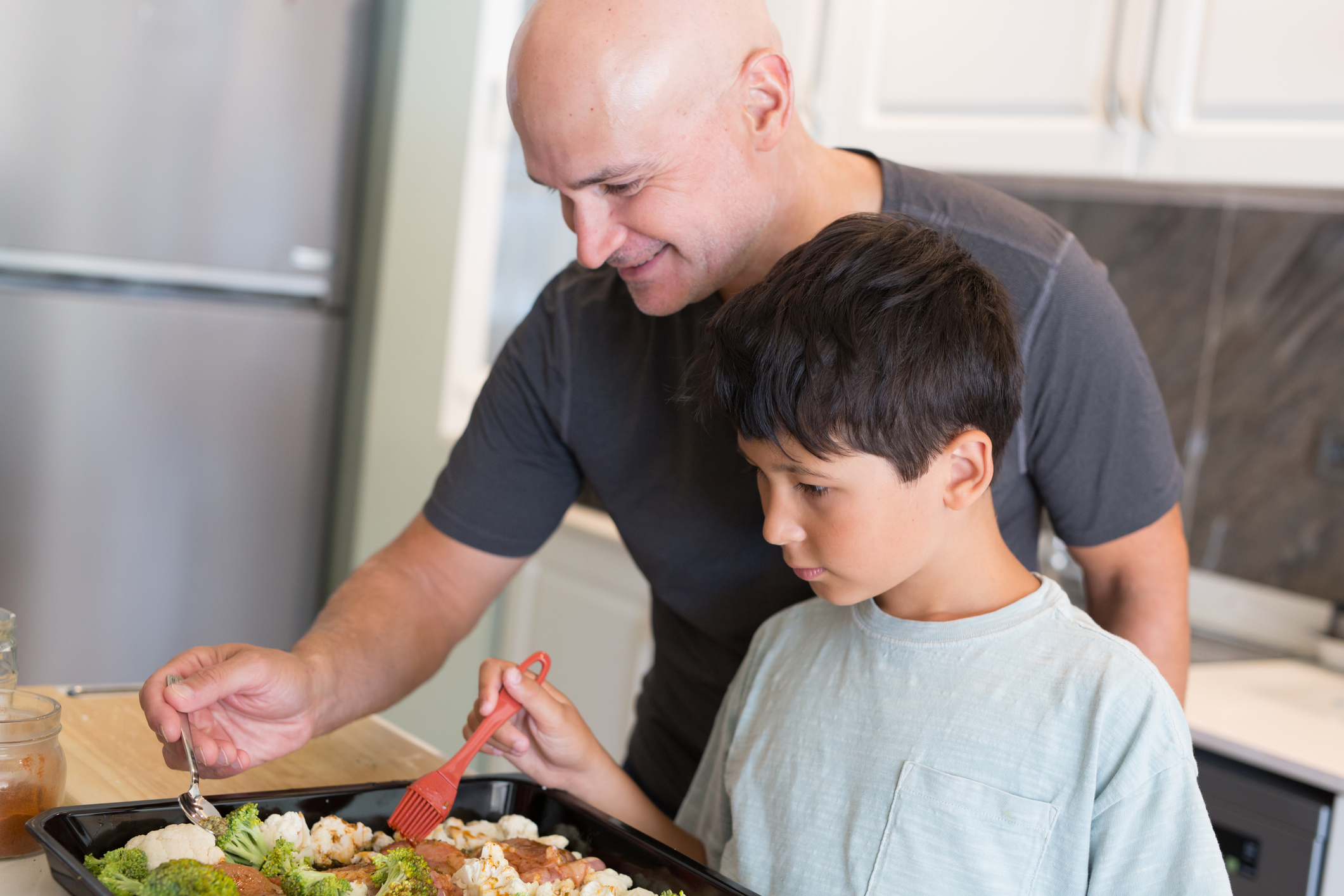
Father and son put garlic and herbs on a chicken and vegetable dish they are preparing to cook

One goal most parents have is to raise confident, independent children who are eventually capable of taking care of themselves. Here are a few tips on how to foster independence in our children.

1. Let children do things for themselves.

While it may be easier to do things yourself, this doesn’t teach your children anything about the tasks at hand. Show them, teach them, and then let your children do things on their own.

2. Give children responsibilities.

Everyone lives in your home and makes messes, so everyone should help to keep the house clean. Chores help teach children valuable life skills, responsibility, and respect for themselves and others.

3. Teach children life skills.

Knowledge of basic life skills including cooking, laundry, and managing money (how to save and spend) will help children grow into independent adults.

4. Teach children how to care for others.

By caring for others, children learn important lessons regarding responsibility and the need to think of others. Start by allowing your children to care for a pet (you can begin small with a fish), or allowing older children to care for a younger sibling.

5. Allow children to work out conflicts themselves.

Teach your children how to resolve conflicts with siblings or peers (e.g., negotiating, compromising) so they will know how to handle these situations without your help.

Nut-aware environments put a lot of effort into preventing cross contamination through proper handling of food and proper hygiene. They will usually have a nut-free table for children with an allergy to eat at during mealtime. Many districts have made these tables optional for the food allergic child.

6. Create an independent environment.

Allow your children to make some of their own choices (this can range from choosing their clothing for the day to picking between a “regular” class and an “honors” class in school). Give your children space when they need it. Alone time can be healthy, allowing children to gather their thoughts and create their own plans.

7. Show confidence in your children.

Acknowledge your pride in your children’s accomplishments. Be sure to praise effort and work put into something rather than just praising success. If you only praise success, your children with learn to think failure is bad.

8. Teach children to advocate for themselves.

Don’t immediately rush in to “rescue” your children when a conflict or problem arises. Talk your children through different ways they can advocate for themselves, even engaging in some role-playing so your children can practice what they will say to stand up for themselves.

9. Encourage children to get outside their comfort zone.

Growth occurs when children take risks and step outside their comfort zones. Encourage your children to take risks, even when the possibility of failure is very real.

10. Let your children make mistakes and fail.

Teach your children that failure is one possible outcome that happens to everyone at times. It is not something that needs to be feared or avoided at all costs. Teaching your children it is okay to keep trying at something will give them the confidence to try new things in their adult life.

last reviewed

care that goes above and beyond

Because every child deserves care that goes above and beyond, Dayton Children’s provides compassionate, expert care for kids of all ages. Find a provider, schedule an appointment, or learn more about conditions we treat today.

a breath of change: asthma awareness month and advancing health equity for children

Aaryn, a Dayton Children's patient, recently achieved her dream of making the cheerleading team

When Aaryn was just six months old, she found herself at Dayton Children’s Hospital, struggling with a severe respiratory illness called RSV. During her stay, the doctors made an important discovery: Aaryn had asthma, a condition that made it difficult for her to breathe freely.

Now Aaryn is 15 years old and although she’s accomplished her dream of making the Thurgood Marshall High School cheerleading squad, she sometimes still struggles with asthma flare-ups especially when the weather changes.  

“I tell her, she can’t be like other kids- even when she wants to. She needs to learn how to manage her asthma,” said Jeanine Belcher, Aaryn’s mom. Jeanine says she recognized that better asthma control was essential for Aaryn’s well-being. 

from research to action: addressing the disparities to treating asthma

Aaryn is far from the only child in the Dayton area struggling with complications from asthma. The Asthma and Allergy Foundation of America 2022 Asthma Capitals report ranked Dayton 24 in the country for most difficult places to live with asthma. Dayton also ranks fourth highest for asthma-related emergency department visits and fifth highest for quick-relief medicine use. For years, Dayton Children’s Hospital’s Community Health Needs Assessment has pointed to asthma as a top pediatric health concern. 

Dayton Children’s has been researching to understand how asthma affects the children in our own community. We’ve discovered that there are some differences across races and socioeconomic status that can impact their struggles with asthma. It’s important for us to recognize these health disparities. 

In a recent article published in the Journal of American Medical Association (JAMA), experts found that Black and Hispanic children have a higher likelihood of developing asthma and experience it at an earlier age compared to White children. Furthermore, they also noticed that kids growing up in areas with more low-income households and higher poverty rates were more prone to asthma diagnoses. These findings highlight the need for us to address these disparities head-on. 

the difference the Dayton Asthma Alliance makes

That’s why we’re proud to have established the Dayton Asthma Alliance here at Dayton Children’s Hospital. Our goal is to tackle the underlying structural and policy issues that often hinder children with asthma from achieving the best possible health outcomes. We work closely with our Medical-Legal Partnership for Children who can support families with asthma who may be living in housing that is a barrier to health. We are also working with housing partners to address housing issues such as mold and pests which can trigger asthma. 

Thanks to the Dayton Asthma Alliance the Community Health Worker program has grown and expanded at Dayton Children’s, which is how Aaryn found a perfect match in a dedicated community health worker who became her trusted guide and superhero. The community health worker not only answers all of Aaryn’s questions about medications and treatments but also provides help with insurance and paperwork when Jeanine needed it.  

“They are so helpful. Any questions I have they answer within 24 hours and they send me useful information to my mailbox,” says Jeanine. “I was so happy to find out that Dayton Children’s had this program because I’ve been waiting for Aaryn to get the help that she needs!”  

By taking a holistic approach that combines medical care, addressing social needs, and advocating for policy changes, we’re striving to create a healthier environment for children with asthma in our community. At Dayton Children’s, we believe that every child deserves the chance to breathe easy and enjoy a happy and active life, regardless of their health condition. 

last reviewed

care that goes above and beyond

Because every child deserves care that goes above and beyond, Dayton Children’s provides compassionate, expert care for kids of all ages. Find a provider, schedule an appointment, or learn more about conditions we treat today.

pediatrics is where Peter is meant to be

At Dayton Children’s, we are proud to have dedicated nurses that go above and beyond every day to help our patients. To celebrate National Certified Nurses Day, we spoke with Peter Inzitari about his experience as a nurse at Dayton Children’s.

Peter worked as an EMT for 10 years, a career he pursued because he wanted the chance to give back to his community by helping those around him. On January 30, Peter made a career change and joined the Dayton Children’s nursing staff as a registered nurse (RN).

“I always found that pediatrics was where I was meant to be,” said Peter. “I am, by nature, silly. I love cheesy jokes. I felt that the simplistic way children saw the world always made my day brighter.”

Peter chose to become a nurse, because it allowed him to help more people in a positive way. As an EMT, he was helping one person at a time. As a nurse, he could help change the lives of many children at once.

Peter Inzitari, a nurse at Dayton Children's, poses in his scrubs

Peter’s motivation to help others comes from his own experience with a medical condition. When he was 18, Peter was diagnosed with Keratoconus, a rare cornea condition that doctors said would eventually leave him blind. A clinical trial and surgery saved Peter’s vision, but to him, the most important part was how his experience impacted his outlook on life.

“In a blink of an eye my life changed,” he said. “Kids at Dayton Children’s go through this feeling every single day. I can’t always relate to what they are going through, but I can relate to the feeling of having a life altering illness.”

Peter aims to remind each of his patients that they are not defined by their illnesses. He always wants the children he works with to continue being silly and having fun, even during the hardest moments.

Whether it is joking with the kids, complimenting their stuffed animal companions or giving them the medical attention they need, Peter is there to help!

“It’s not the medicine that makes a difference, it’s the nurses who go the extra mile to make sure our patients are as happy and healthy as they possibly can be,” Peter said. “I feel Dayton Children’s does a phenomenal job of that.”

last reviewed

let your career take flight at Dayton Children’s!

Dayton Children’s careers offer rewarding opportunities in health care, support services and more, all with one mission: going above and beyond. Learn more about career opportunities at Dayton Children’s and the hospital’s commitment to employee growth here.

care that goes above and beyond

Because every child deserves care that goes above and beyond, Dayton Children’s provides compassionate, expert care for kids of all ages. Find a provider, schedule an appointment, or learn more about conditions we treat today.

A smiling young girl in a pink top sits in a bright clinic space, representing a happy patient at Dayton Children’s.

are martial arts bad for kids?

group of children meditate on yoga mats

Physical activity for children is so important. The impact is staggering, with years of research verifying the positive effects on kids’ mental and physical health. We’d call it a miracle drug if the benefits could be captured in a 10-mg tablet taken twice a day. For kids with depression or so-called ADHD, the effects are particularly beneficial.

Youth sports are the way many kids get exercise at an early age. However, by adolescence talent trumps desire, leaving many children wanting to play but unable to do so because of a lack of skill. In such situations, we may recommend that kids and parents consider dance, yoga and even martial arts.

Martial arts can be met with mixed reactions. Children, particularly aggressive youth, view martial arts as an opportunity to learn how to become better fighters. Parents are concerned that such programs will promote the type of mindless violence that they are trying to eliminate.

Well-respected martial arts programs promote self-discipline, emotional stability and respect, along with the enhancement of various physical skills. There has been lots of research that document the positive impact of martial arts programs on kids’ psychological health. For many kids, these programs are a way to learn the self-control skills that they cannot acquire in a therapist’s office.

Even so, while this might be true for some kids, parents are concerned that it doesn’t intuitively make sense to recommend that aggressive kids learn to become more skillful fighters.

Recently published research by Anna Harwood and her colleagues in the journal Aggression and Violent Behavior has now answered that concern. They analyzed twelve studies involving 507 kids, studying the impact of marital arts on aggressive and violent behavior. In nine of the twelve studies, martial arts had a positive effect and no impact in the other three studies.

These results make sense because good martial arts programs focus as much on positive psychology as they do on self-defense and fighting techniques. Instructors expect high standards of behavior during the class, and may even require that kids bring in their report cards for review. They focus on recognizing and controlling your emotional state and teaching alternatives to hurting others as a way to relieve your momentary frustration.

Good martial arts instructors teach in their studios many of the same skills we use in psychology. However, be as careful in selecting the right teacher as you would be in picking a psychologist. Observe several classes, ask about how misbehavior is managed and talk with other parents. Involve your child in that decision, and monitor their progress.

last reviewed

care that goes above and beyond

Because every child deserves care that goes above and beyond, Dayton Children’s provides compassionate, expert care for kids of all ages. Find a provider, schedule an appointment, or learn more about conditions we treat today.

busting the myth on coconut oil

If you use coconut oil as a healthy alternative to vegetable oil, olive oil or butter during cooking, you’re not alone. In 2020, over 497,000 tons of coconut oil were sold in the United States. These impressive sales could be contributed to the alleged health benefits coconut oil claims to provide. Reducing belly fat and improving Alzheimer’s disease are among the most popular. But what do we really know about this popular cooking substitute?

is coconut oil heart healthy?

coconut oil on table with spoon

Coconut oil is entirely made up of fat, 80-90% of which is saturated fat. Fat is made up of smaller molecules called fatty acids, and there are several types of fatty acids in coconut oil. Lauric acid is the most predominant type of fatty acid and it makes up about 44% of the saturated fat in coconut oil. Lauric acid is known to increase your cholesterol, which could lead to early cardiovascular disease.

what does this mean for our children?

Since most children are not concerned with their waistlines or Alzheimer’s disease, they probably aren’t the ones making the decision to use coconut oil in their diet. The biggest concern with children consuming coconut oil is that over their lifetime, their organs and arteries will be exposed to it for a longer duration since they start at a younger age. An adult will have fewer years of exposure since they start consuming it later in life. This increased duration of exposure causes more damage to a child’s heart and arteries.

what type of oil is better to cook with?

As far as a heart healthy diet is concerned, olive oil is the cooking substitute of choice. Only about 14% of olive oil is made up of saturated fat. The predominant fat in olive oil is a monounsaturated fat called oleic acid. Oleic acid has properties that are suggested to reduce inflammation. In addition to fatty acids, olive oil is packed full of vitamins E and K, and powerful antioxidants that may reduce your risk of chronic diseases.

Olive oil is also one of the key ingredients in the Mediterranean diet, which has been shown to significantly reduce heart disease. Olive oil is thought to reduce inflammation but has also been shown to protect “bad” LDL cholesterol from oxidation, improve the lining of your blood vessels and may prevent excessive blood clotting. Olive oil has also been shown to lower blood pressure, which is a strong risk factor for heart disease.

what can I do with all my coconut oil if I shouldn’t eat it?

Don’t throw out your coconut oil just because it’s not a heart healthy cooking alternative. There are several other ways to use your coconut oil without eating it! The possibilities are endless, but here are a few of our favorite ways to use it:

  1. Coconut oil is great for your skin. It can be used as a moisturizer to relieve skin irritations and eczema. This includes cracked heels, cuticles and sunburn.
  2. You can also apply it to your hair before shampooing to reduce protein loss and improve hair health.
  3. Rub it on stubborn crayon marks to remove them from your walls.
  4. Remove gum from hair or clothing by rubbing the area with a generous amount of coconut oil.

If your family has a history of heart disease and you want to set your child on the right path to a healthier future, Dayton Children’s preventive cardiology clinic can help. Our judgement-free team helps identify early warning signs and shows your child and family how to reverse some negative changes that may already have set in. Schedule an appointment in the preventive cardiology clinic today!

last reviewed

care that goes above and beyond

Because every child deserves care that goes above and beyond, Dayton Children’s provides compassionate, expert care for kids of all ages. Find a provider, schedule an appointment, or learn more about conditions we treat today.

3 reasons to sign up for Imagination Library and start getting free books today

Mother and daughter read a book before bed

There’s so much to love about the library. Reading not only creates positive moments between family members, it’s also been proven to help children learn more and be better prepared for school!

start building your family’s library

This National Library Lover’s month, you can start creating your own family’s library for free thanks to Dolly Parton’s Imagination Library of Ohio.  

Dolly Parton’s Imagination Library is dedicated to inspiring a love of reading by gifting books free of charge to children from birth to age five, through funding shared by Dolly Parton and local community partners. If you start at birth, that’s 60 free books in total you’ll be getting and a lifetime of memories! So what are you waiting for? Get signed up today!

why is reading important?

Research has shown that signing up for Imagination Library has many benefits including: 

  1. Increasing the bond between caregivers and children: 81 percent of parents participating in Imagination Library say they’ve increased the frequency of reading with their children. 
  2. Making children more interested in reading: Children who read at an early age will become better students and live happier, healthier lives. Through reading, children begin to learn words and sounds, recognize pictures, and understand emotions. Reading better prepares children to start kindergarten by strengthening their vocabulary, expanding their speech, helping to create a regular routine, and so much more.
  3. Preparing children for Kindergarten and developing their early literacy skills: Research shows an increase and improvement in kindergarten readiness when children are involved with the Imagination Library program. The longer a child is enrolled in the program, the greater the outcome. Currently, only 34% of children in Montgomery County are demonstrating kindergarten readiness. Dayton Children’s Hospital is working to address this statistic by supporting early literacy to improve kindergarten readiness as the Montgomery County affiliate for Imagination Library of Ohio. 

signing up for Imagination Library

What to expect when you sign up: Each month, Dolly Parton’s Imagination Library mails a high quality, age appropriate book to all registered children, addressed to them, at no cost to the child’s family.  

The books are chosen by the Blue Ribbon Book Selection Committee who make sure that each book that the child receives will contain certain characteristics that are specific for the child’s age 

The first book every child receives is “The Little Engine That Could.” Then, the month that a child turns 5 years old, they will receive “Look Out Kindergarten, Here I Come!” Several bilingual English/Spanish titles are included each year. 

Want to learn more about the books your child can expect to receive this year? Check out the 2023 book list categorized by age group. 

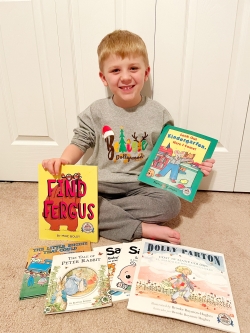
child poses with new books he got from the Imagination Library

how to sign up

Click here to enroll!

The simple enrollment process allows families with children under the age of 5 to sign up online at OhioImaginationLibrary.org/Enroll or by using a paper form available at partner locations. Typically, the first book arrives 8-10 weeks after sign-up, and then monthly after that. Children graduate out of the program at their 5th birthday as they prepare to enter kindergarten. By signing children up for this program, parents and caregivers can show their children the value of books and set an incredible foundation for learning. 

more about Imagination Library of Ohio

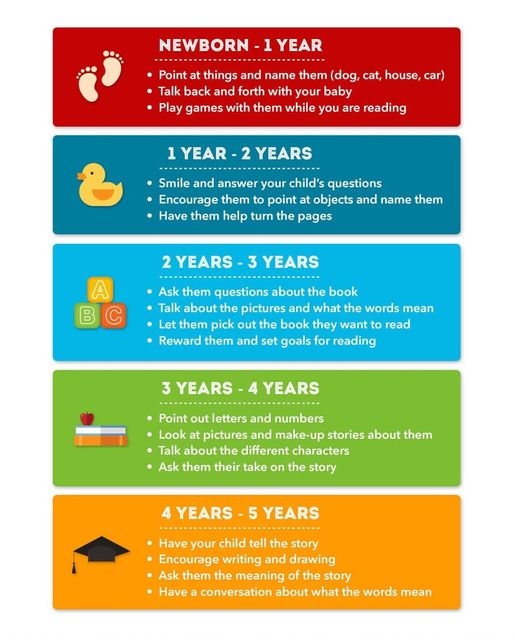
Check out the graphic here for some helpful tips to make storytime more engaging!

last reviewed

care that goes above and beyond

Because every child deserves care that goes above and beyond, Dayton Children’s provides compassionate, expert care for kids of all ages. Find a provider, schedule an appointment, or learn more about conditions we treat today.