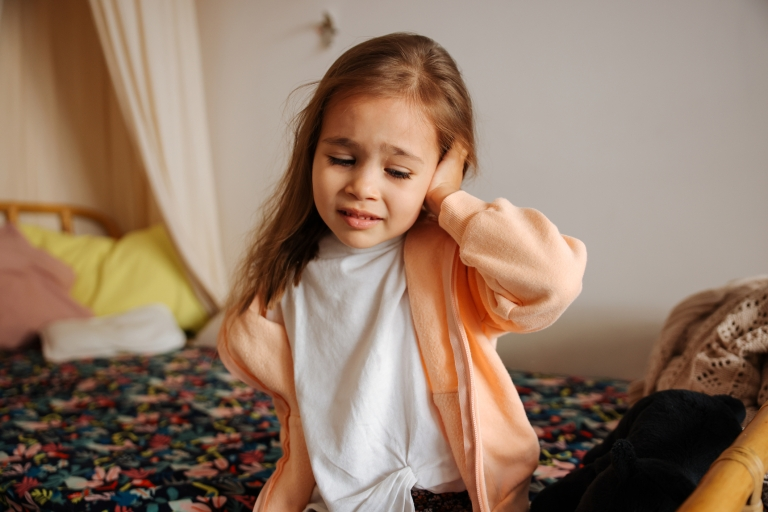
Most parents are familiar with ear infections, especially during cold and flu season. In fact, nearly every child will have at least one by the time they turn two. But if you’re starting to feel like ear infections are becoming part of your family’s routine, you’re not alone. Some children experience repeated infections that disrupt sleep, interfere with hearing and raise questions like: “Is this normal?” or “Should we be doing more?”
If your child has had multiple ear infections in a short period of time, this guide can help you understand what might be going on, what warning signs to watch for, and when to ask your pediatrician about next steps.
why kids get so many ear infections
Ear infections, also called otitis media, happen when fluid builds up behind the eardrum and becomes infected. This often follows a cold, sinus infection or other upper respiratory illness. When a child’s eustachian tube (the tiny canal that connects the middle ear to the back of the throat) becomes swollen or blocked, it can trap fluid inside the ear.
Young children are especially prone to ear infections because their eustachian tubes are shorter, more horizontal and less efficient at draining. Add in developing immune systems and increased exposure to germs at daycare or preschool, and it’s easy to see why ear infections are so common in early childhood.
Other factors that may increase a child’s risk of frequent ear infections include allergies, secondhand smoke exposure, bottle-feeding while lying down or enlarged adenoids that block drainage.
how to tell if it’s an ear infection
Your child may not always be able to say their ear hurts, but there are signs that can clue you in. Some of the most common symptoms include:
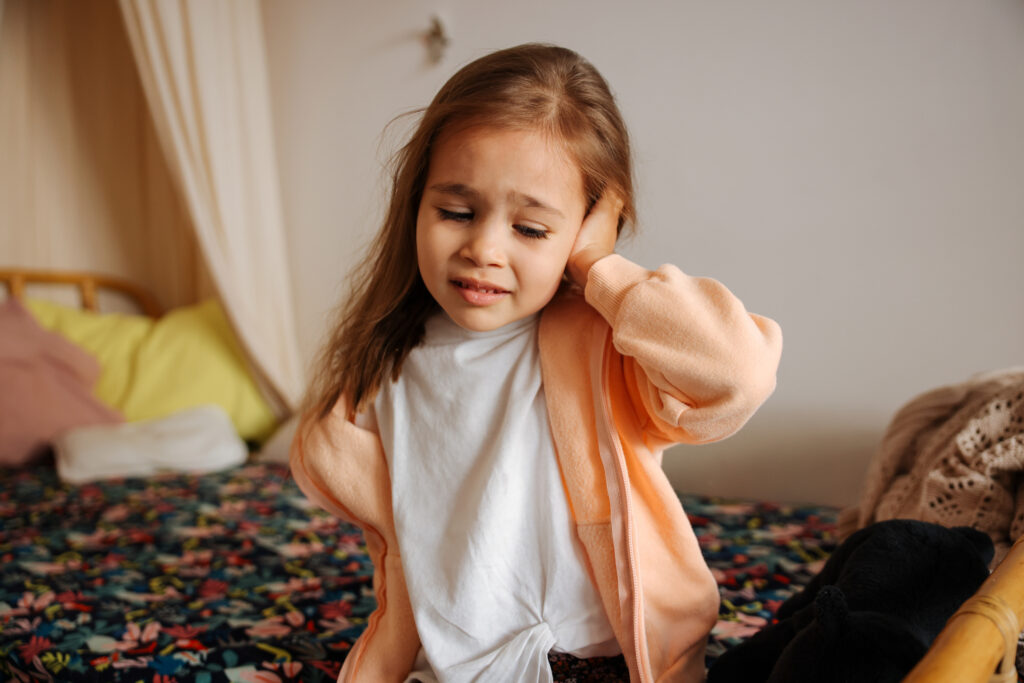
- Tugging or pulling at one or both ears
- Fussiness, irritability or difficulty sleeping
- Fever
- Loss of appetite or trouble feeding
- Drainage (fluid or pus) coming from the ear
- Difficulty hearing or seeming unresponsive to sounds
In older children, you may also hear them complain about ear pain or a feeling of fullness in the ear. If your child has any of these symptoms, especially if they keep coming back, it’s a good idea to reach out to your pediatrician.
when to be concerned about frequency
So how often is too often? A single ear infection here or there isn’t usually a cause for concern. But if your child is having:
- Three or more ear infections within six months, or
- Four or more within a single year
…it could be a sign of an underlying issue. Frequent infections may mean that fluid is not draining properly, or that your child is struggling to recover fully between illnesses.
You should also talk to your pediatrician if ear infections don’t respond to treatment, if fluid stays in the ear for weeks, or if your child seems to be having hearing trouble, delayed speech, or balance issues. These may be signs that your child’s ear health is affecting other areas of development.
how frequent infections can affect hearing and speech
One of the biggest concerns with recurrent ear infections is how they can affect a child’s ability to hear. When fluid builds up in the middle ear, even without infection, it can muffle sound and make it harder for your child to pick up on speech, especially during those critical early years when language skills are forming.
Temporary hearing loss from fluid can go unnoticed at first, but over time it may impact speech clarity, social development and even school readiness. That’s why hearing checks are often recommended if a child has had multiple infections or ongoing fluid buildup.
If you notice that your child isn’t responding to sounds, seems to ignore you or isn’t meeting speech milestones, bring it up with your pediatrician. They may recommend a hearing test or referral to a pediatric ENT (ear, nose and throat) specialist.
when to consider ear tubes
If your child has frequent infections or fluid that won’t go away, the ENT specialist may suggest ear tubes (tympanostomy tubes). These small, hollow tubes are inserted into the eardrum during a short outpatient procedure. They allow air to flow into the middle ear and help fluid drain more easily, reducing the risk of infection.
Ear tubes are often recommended for children who:
- Have four or more ear infections in a year
- Have fluid in the ear for three months or longer
- Have hearing loss or speech delays related to fluid buildup
- Experience repeated infections that don’t improve with antibiotics
The procedure itself is very quick, usually under 15 minutes, and most children go home the same day. Tubes typically stay in place for 6 to 18 months and fall out on their own as the eardrum heals.
Wondering if it’s time for ear tubes? Take our 30-second quiz to find out.
what if infections continue after tubes?
It’s still possible for a child with tubes to get an occasional ear infection, but they’re usually less painful, drain more easily, and don’t cause as much pressure. Most parents notice a big drop in how often their child gets sick, and many children stop needing antibiotics altogether.
If infections return after tubes fall out, your provider will reassess whether a second set is needed. Some children only need one round, while others may benefit from additional support as they grow.
what you can do at home
While not all ear infections are preventable, there are steps you can take to lower your child’s risk:
- Practice good hand hygiene to limit cold and flu germs
- Avoid secondhand smoke, which can irritate the respiratory system
- Keep your child up-to-date on vaccinations, including the flu shot and pneumococcal vaccine
- Breastfeed when possible for immune protection in infancy
- Feed your baby in an upright position to help fluid drain
- Address seasonal allergies or nasal congestion with your pediatrician’s guidance
when to see a specialist
If your child’s ear infections are frequent, severe or affecting their hearing, a pediatric ENT can help determine whether tubes, imaging or other treatment options are appropriate.
You don’t have to wait until you’ve “tried everything” to ask for a referral. If something doesn’t feel right, or you’re just tired of seeing your child in pain, talk to your pediatrician about a referral to pediatric ENT.
what to expect moving forward
The good news is that most children outgrow frequent ear infections as they get older. As their bodies grow, their eustachian tubes mature, their immune systems strengthen and infection frequency drops off.
Still, it’s important to monitor hearing and speech development during those early years, especially if your child has had multiple infections. Your pediatrician or ENT specialist may recommend a hearing check or follow-up evaluation every six months after treatment.
With early support and a clear care plan, most kids bounce back quickly.
ear infection treatment at Dayton Children’s Hospital
If your child is experiencing frequent ear infections, fluid buildup or hearing issues, our pediatric ENT team is here to help. We offer specialized care for children of all ages, including diagnostics, hearing evaluations and ear tube placement when needed. You can schedule an appointment online or call 937-641-4000.