circumcision

about circumcision
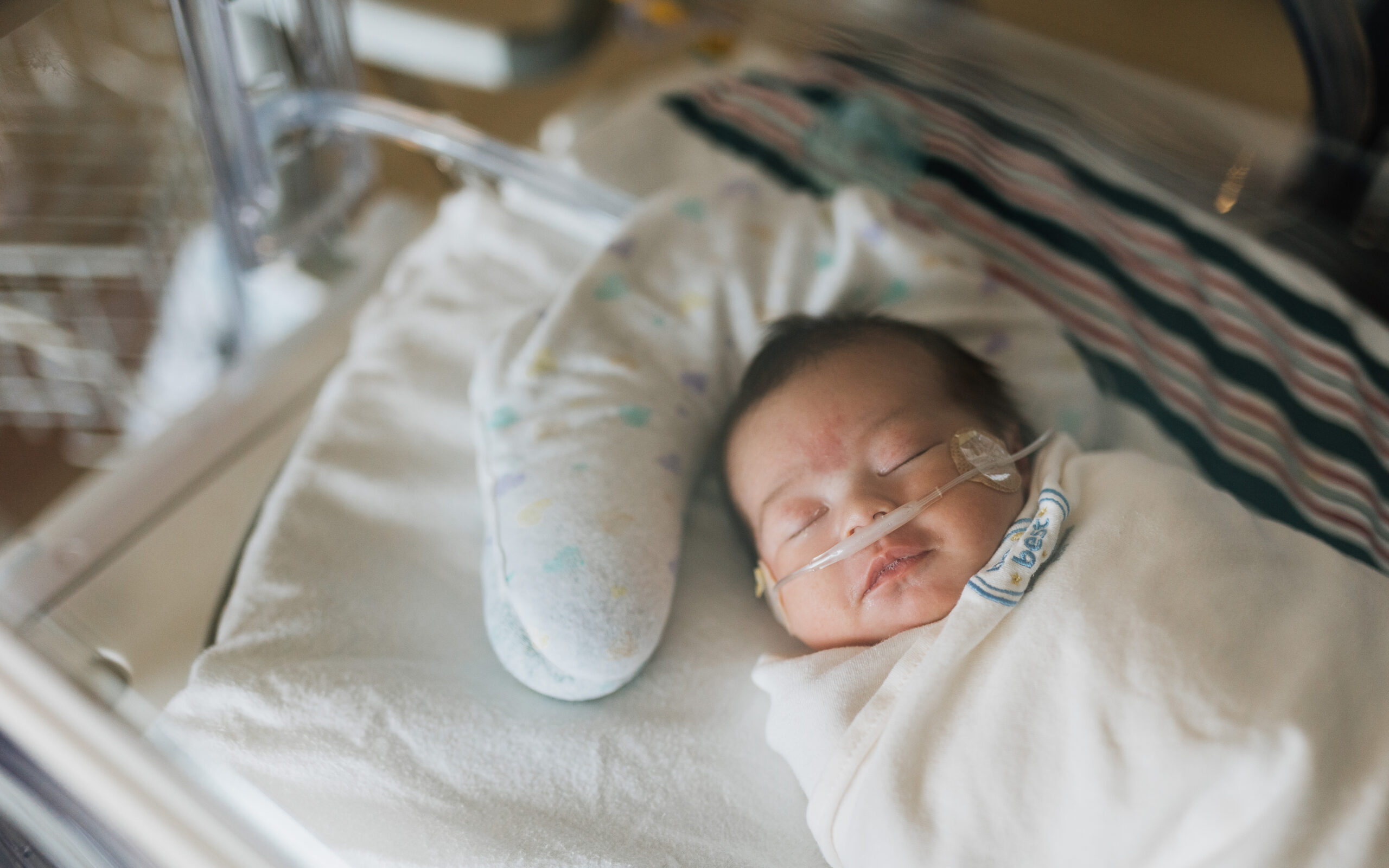
Circumcision is a common procedure where the foreskin, the piece of skin covering the head (glans) of the penis, is surgically removed. Circumcision is typically performed during the first 10 days after birth.
The circumcision procedure can be done in the hospital before the baby goes home or later in a clinic, depending on health needs, timing or family preferences. In some cases, circumcision may be delayed due to prematurity or specific medical concerns.
symptoms
While circumcision is typically an elective procedure, certain conditions may prompt consideration. Possible concerns include:
- Foreskin that’s difficult to retract (phimosis)
- Recurring infections under the foreskin
- Hygiene concerns
- Parental preference for cultural, religious or personal reasons
diagnosis
Your pediatrician or urologist will evaluate your child’s health and anatomy to determine if circumcision is recommended.
Diagnosis considerations may include:
- Medical history and physical exam
- Any history of infections or difficulty urinating
- Family preferences or cultural background
- Readiness for elective surgery based on age or health


circumcision treatment
After gently cleaning the area, the doctor will apply a special device such as the Gomco clamp, Plastibell device or Mogen clamp to protect the head of the penis while removing the foreskin.
To ensure comfort, a local anesthetic is used. Options may include:
- A topical cream applied to the area 20–40 minutes before the procedure
- An injectable anesthetic for quicker and longer-lasting relief
Babies may also be given acetaminophen and comforted with swaddling or a pacifier. The entire procedure is brief and recovery typically begins right away. Same-day circumcision may be available through our urology clinic for eligible patients.
circumcision FAQs
Answers to common questions about circumcision, including types of circumcision, care after the procedure and healing timelines.
With proper pain management, discomfort is minimal. Local anesthetics and aftercare can reduce pain significantly.
Most babies heal within 7 to 10 days. Mild redness, swelling or discharge are normal early in the healing process.
Circumcision is usually done in the first 10 days, but it can be performed later. After the newborn period, general anesthesia may be required.
Newborns within the first 10 days are ideal candidates. However, circumcision can be safely done later if needed.
This is a personal decision. Discuss benefits, risks and cultural or religious considerations with your child’s provider to decide what’s best for your family.

our urology providers
Our pediatric urology specialists provide expert guidance and care for families exploring circumcision. Whether you’re asking, “Should I circumcise my son?” or need help with circumcision care or healing concerns, our team is here to help.



get circumcision treatment
To schedule an appointment with our pediatric urology team, schedule online or call 937-641-4000.