research and innovation
From patient miracles to the latest news and events, the hub is your go to spot for what is new with Dayton Children’s.
our commitment research & innovation
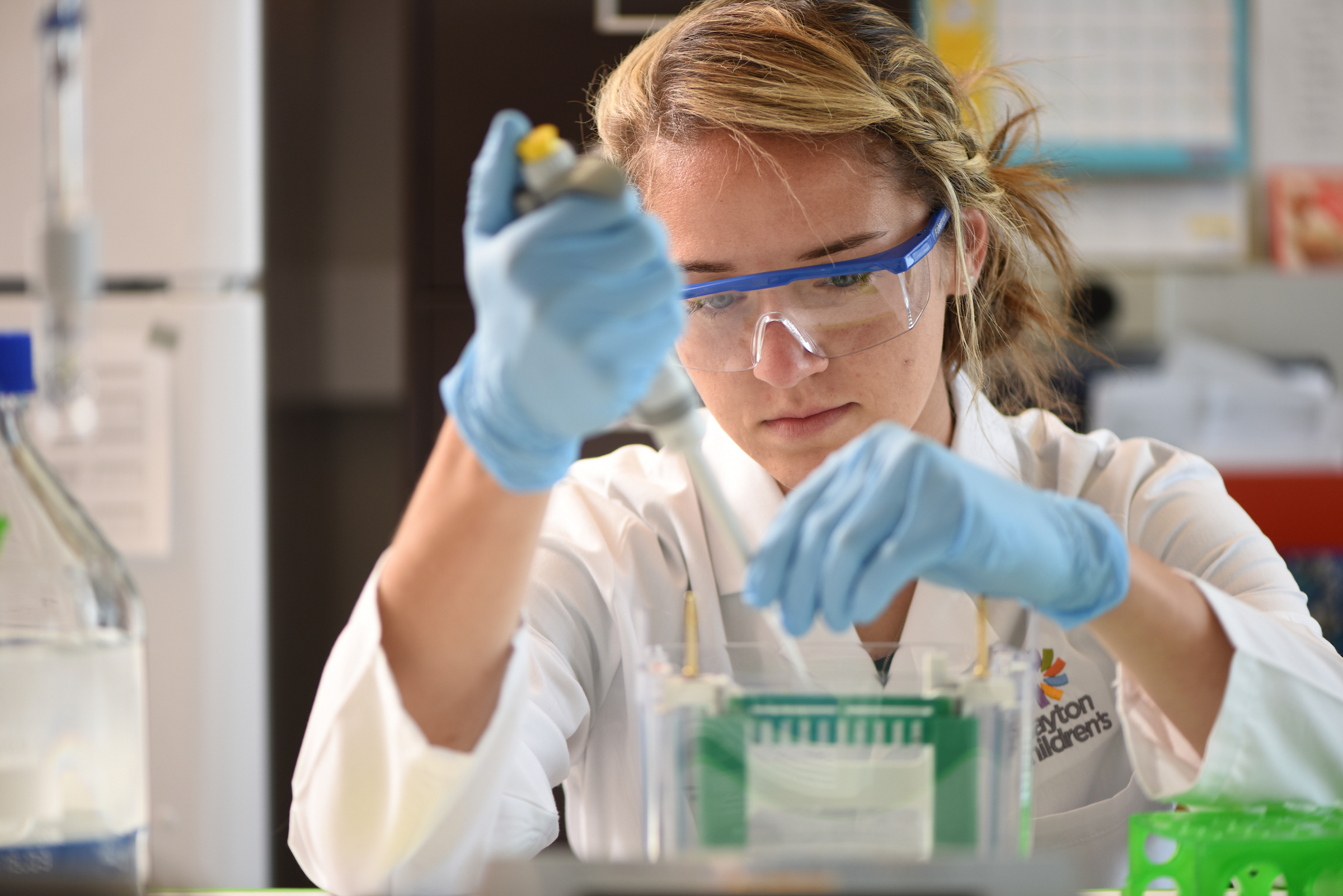
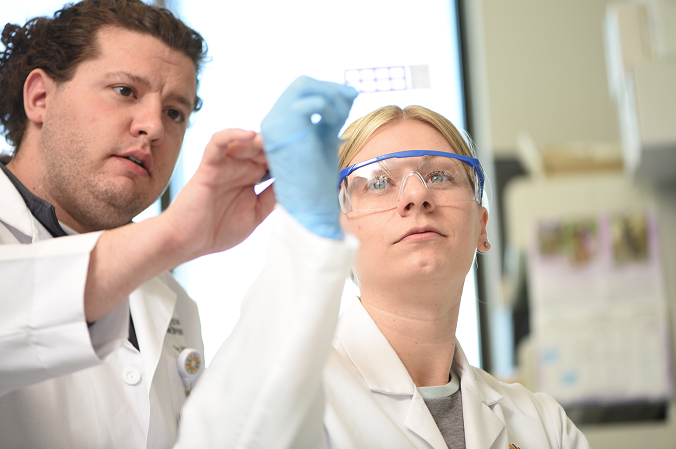
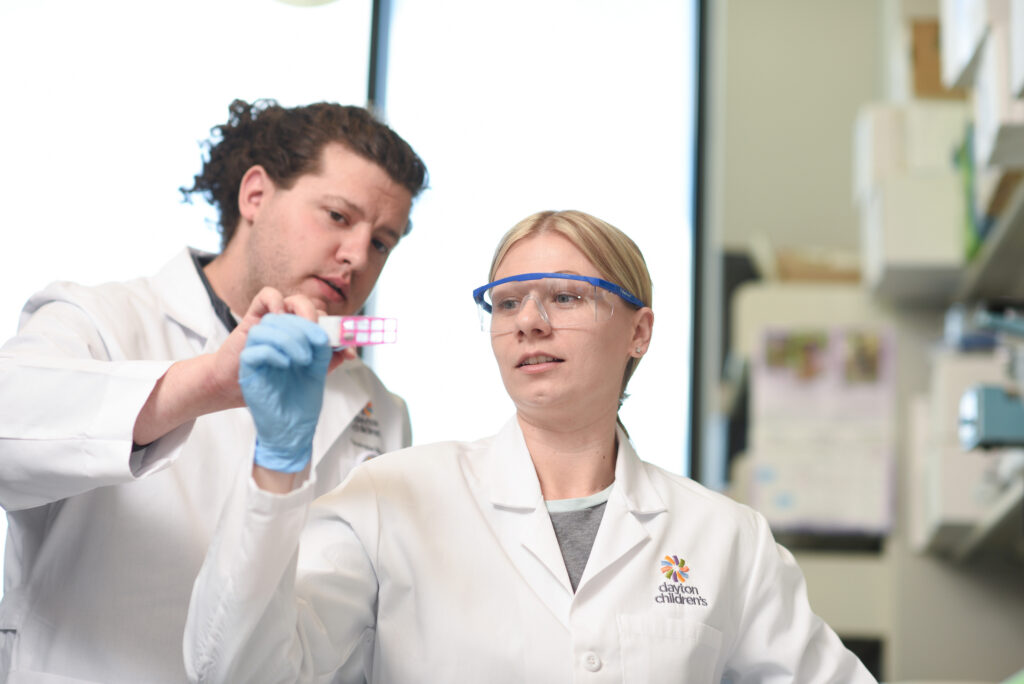
Dayton Children’s drives progress through pediatric research and innovation that improves treatments, advances care and transforms outcomes for kids and families.
Dayton Children’s is dedicated to pursuing research and innovation that helps children live healthier lives. Our work is built on a culture of progress—harnessing cutting-edge technology, advancing clinical trials, and pioneering new approaches to elevate pediatric care. Just like the Wright brothers, Dayton natives who changed the world with flight, we are driven by a spirit of innovation that inspires us to explore new frontiers in medicine. By combining investigator-led and industry-supported studies with creative solutions for patient and family needs, we are shaping the future of care right here in our community.
innovation at Dayton Children’s
Innovation at Dayton Children’s means reimagining what pediatric care can look like. We continually seek new ways to meet the needs of children and families in our region and beyond, whether through unique care models, specialized programs, or creative partnerships. These innovations not only improve the patient and family experience but also strengthen the foundation for future research. Below are just a few examples of how we’ve turned bold ideas into real solutions for the children we serve.
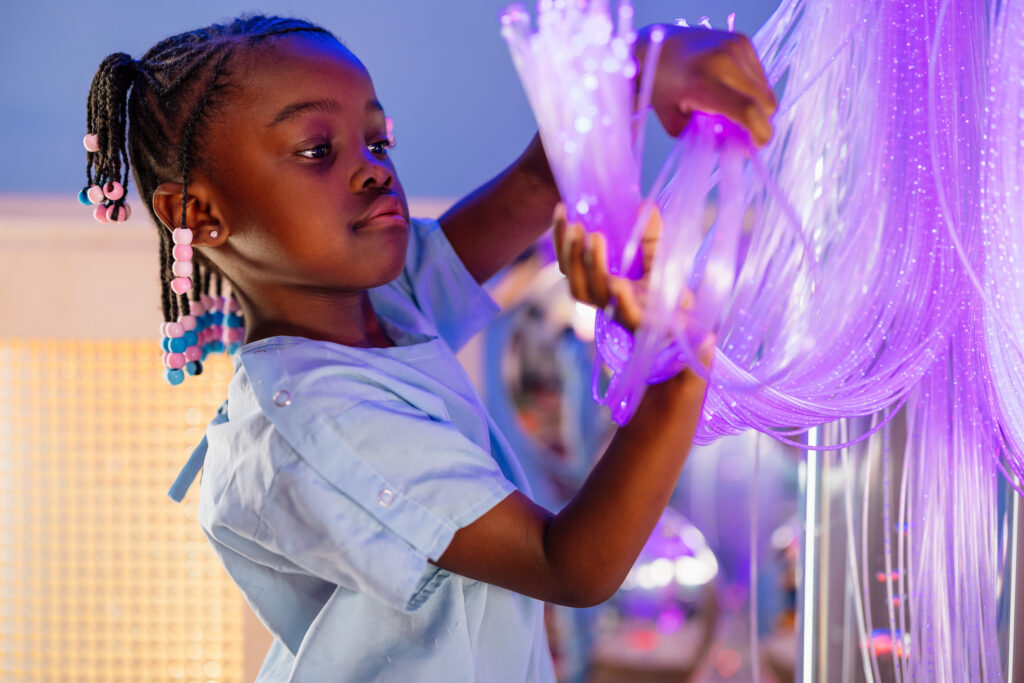
Our sensory-friendly experience for surgery and our lab and imaging services is part of a groundbreaking approach to pediatric care. We’ve transformed traditional hospital settings by integrating calm lighting, quiet spaces, interactive visual projections, fidget tools, weighted blankets and noise control, creating environments that reduce anxiety and sensory stress. This innovation has helped reduce the amount of pre-surgery calming medicine from 90% to 20% of patients. It also helps children feel safer and more comfortable during lab draws, scans and other procedures, letting them focus on healing rather than fear.
Kids Express is not your average walk-in clinic, it’s a pediatric-first innovation in quick care, combining the ease of online scheduling with the expertise of providers trained specifically in children’s health. Serving ages 6 weeks to 18 years, our nurse practitioners treat common conditions like ear infections, colds, sore throats, rashes and more, with both in-person and video visits available. This unique model ensures kids receive care designed just for them when their pediatrician isn’t available.
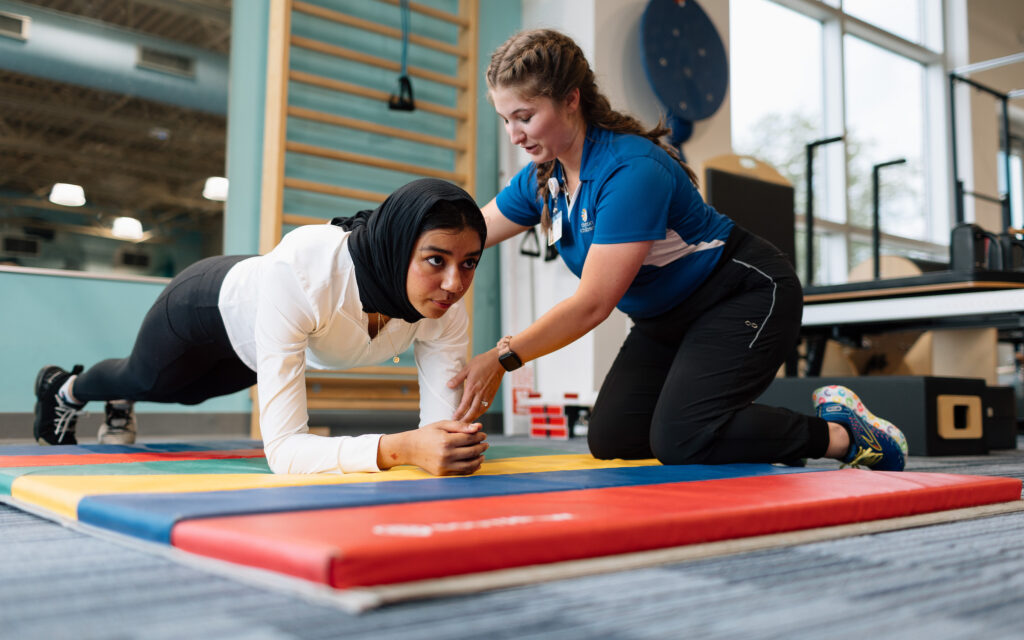
The Center for the Female Athlete is the region’s first program designed specifically for female athletes, combining sports medicine, nutrition and mental health expertise in one place. This innovative, holistic approach recognizes that performance and wellbeing are deeply connected, and ensures girls receive care that supports their bodies and their minds. By focusing on the whole athlete, the center helps young women stay healthy, confident and ready to reach their full potential both on and off the field.
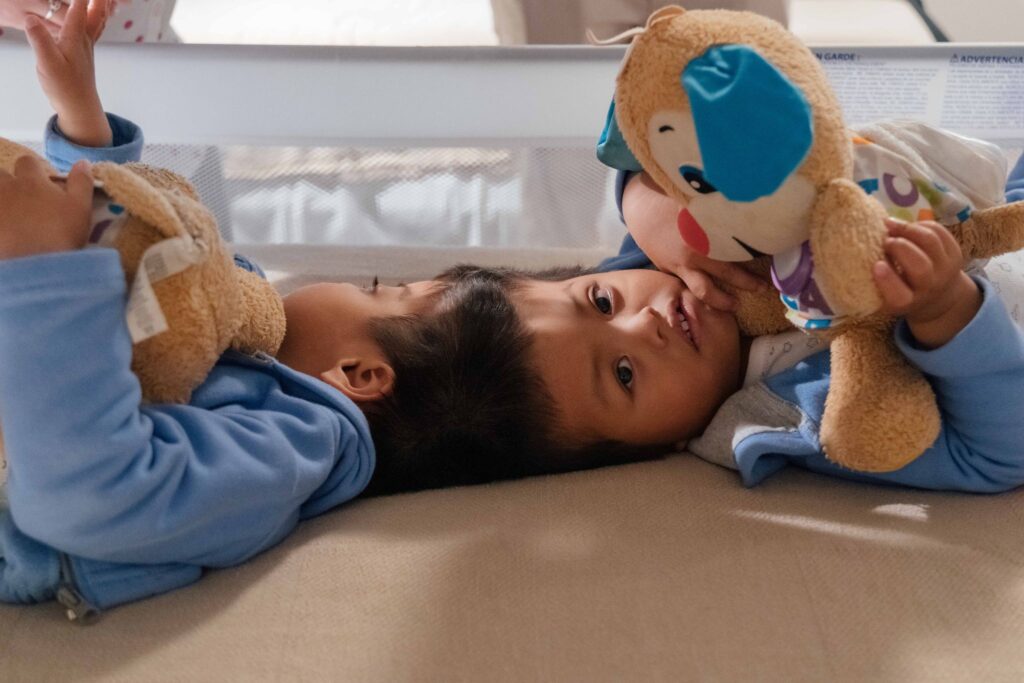
Connected is an Emmy-award–winning documentary produced by Dayton Children’s that chronicles the extraordinary journey of conjoined twins Pedro and Augusto, born joined at the head, and the more than two years of planning, collaboration and surgical innovation required to safely separate them. This groundbreaking film reflects how Dayton Children’s brought together world-class pediatric specialists, cutting-edge technology and compassionate care to push the boundaries of what’s possible in children’s health.
Dayton Children’s is proud to lead the first-of-its-kind kinship housing initiative in Old North Dayton, an innovative solution that brings stability and social support to families caring for children when parents cannot. By bringing community partners together, we’ve created Vermillion Place, a neighborhood that ensures children have the foundation of a safe home so they can thrive. For families that live in this community, like grandparents raising grandchildren, this is more than housing, it’s a lifeline of stability, health equity and hope for the future.
areas of research
cancer and blood diseases
Dayton Children’s advances care for kids with cancer and blood diseases through participation in clinical trials and national research networks. Our oncology and hematology teams collaborate across institutions to evaluate new therapies, optimize treatment plans, and bring the latest evidence-based care to our patients—improving outcomes today while shaping the breakthroughs of tomorrow.
The Living Biobank
As one result of our relentless pursuit of optimal health for every child within our reach, Dayton Children’s has established the region’s only Living Biobank for pediatric cancer research.
The Biobank is a partnership with the Dayton community, our patients, and scientific collaborators worldwide with whom we are working together to research pediatric brain tumors, using advanced imaging to understand what is going on inside of the tumors.
gastroenterology
Our pediatric gastroenterology team is dedicated to advancing care for children with inflammatory bowel disease (IBD), including Crohn’s disease and ulcerative colitis. As part of the international ImproveCareNow network, Dayton Children’s collaborates with more than 90 care centers worldwide to share data, study outcomes, and explore innovative treatments that improve remission rates and long-term health for kids. Through participation in multicenter studies and national leadership roles, our specialists help drive research that shapes the future of IBD care.
neurosciences
Through a unique partnership with Wright State University and the Premier Health Neuroscience Institute, Dayton Children’s is advancing research to better understand and treat complex conditions of the brain and spine. Our investigators collaborate with engineers and scientists to explore new approaches for diagnosing and treating childhood neurological diseases, such as epilepsy, brain tumors and hydrocephalus. By combining clinical expertise with cutting-edge imaging and collaborative studies, we’re helping unlock discoveries that improve care for kids now and in the future.
pulmonology
Dayton Children’s is advancing care for kids with lung conditions through research on cystic fibrosis, asthma, sleep apnea and more. As part of national and statewide networks, our team participates in clinical trials and data-sharing initiatives that bring the latest therapies and insights directly to our patients. From exploring new medications to developing innovative diagnostic tools, our goal is to improve treatments, reduce hospitalizations and give children with pulmonary conditions the best chance for healthier lives.
FAQs about research studies
As your family considers participating in clinical research, find answers to some of the most common questions from families.
A research study is a scientific way to improve or develop new methods of health care. Studies are designed to answer specific questions on how to prevent, diagnose or treat diseases and disorders. Clinical research studies, or clinical trials, involve people. They may test new medicines or devices, and study ways to screen, prevent, diagnose and treat disease. Every clinical research study must follow strict guidelines under the Food and Drug Administration (FDA). All studies are carefully researched before a drug is given to a patient.
At Dayton Children’s, the majority of clinical trials are Phase II through IV trials, which means that the drugs being studied have already been through extensive testing and are considered very safe. In most cases, the drug already has been tested and approved for use in adults before any study with children.
Clinical research studies are the best way for medical professionals to identify the most effective therapies for children. Studies can:
- Provide information about dosing to prevent harmful effects or under-treating of disease;
- Help companies develop chewables, liquids or tablets that are easier for children to take, yet still safe;
- Lead to the development of therapies for conditions that occur only in children, such as prematurity;
- Lead to treatments for conditions that occur in both children and adults but act differently in children and adults, such as arthritis or heart disease;
- Help us understand how medicines affect children’s brains and bodies as they grow and develop.
The health and safety of children is our number one priority. Clinical research is federally regulated with built-in safeguards to protect participants. The clinical research studies follow carefully controlled protocols, which are reviewed by an Institutional Review Board. An Institutional Review Board is an independent group of medical, scientific and nonscientific members, whose responsibility is to ensure the protection and safety of the participants involved in a trial. In addition, the ethical and legal codes that govern medical practice also apply to clinical research studies.
The U.S. Department of Health and Human Services (HHS) recently launched a new public outreach website to help people learn more about what participation in a research study involves.
Some reasons include:
- Clinical research studies often include no-cost diagnostic testing, such as blood tests and X-rays, which might not be done otherwise.
- Participants receive free physical examinations and may receive free study medications.
- Research participation can help advance treatment options for other people.
- Clinical research staff often is able to spend more one-on-one time with patients who participate in research.
- Families often feel they receive more personalized attention and education when their child is participating in a research study.
- Participants may receive investigational research medication before it is available to everyone.
If a study is being conducted in the specialty area at Dayton Children’s where your child is treated—cancer care, for example you may receive information about the study from that department. If you visit your child’s primary care physician and his or her office is participating in a study, the office staff may provide you with information about the study.
Most studies are conducted at Dayton Children’s. Other studies are conducted in participating community physician offices, or based at other hospitals in our region.
- Double-Blind Study: A research study in which neither the patient nor the physician knows who is receiving a particular treatment.
- Placebo: A pill, liquid or powder that contains no medicine. Clinical trials often compare the effectiveness of the drug being tested to the effectiveness of a placebo.
- Phase 1 Trial: A research study in which a small group of people participates in order to test a new drug or treatment for the first time to evaluate its safety, determine a safe dosage range, and identify side effects.
- Phase 2 Trial: A research study in which a larger group of people participates in order to further test the new drug or treatment to evaluate whether it is safe and effective.
- Phase 3 Trial: A research study in which a large group of people participates to confirm the drug or treatment’s effectiveness, monitor its side effects, compare it to commonly used treatments, and collect information that will allow the drug or treatment to be used safely.
- Phase 4 Trial: A research study that typically is conducted after a drug or treatment has been approved. The purpose is to study new uses for the drug or treatment, compare the approved drug with other treatments, or study its long-term effects.
research & innovate with us
Together, we can transform the future of pediatric care. Whether through participating in research, collaborating on innovative programs, or supporting our mission, there are many ways to get involved.