pediatric cardiology
Our pediatric cardiology team offers advanced, compassionate care tailored to every stage of a growing heart.

what is pediatric cardiology?
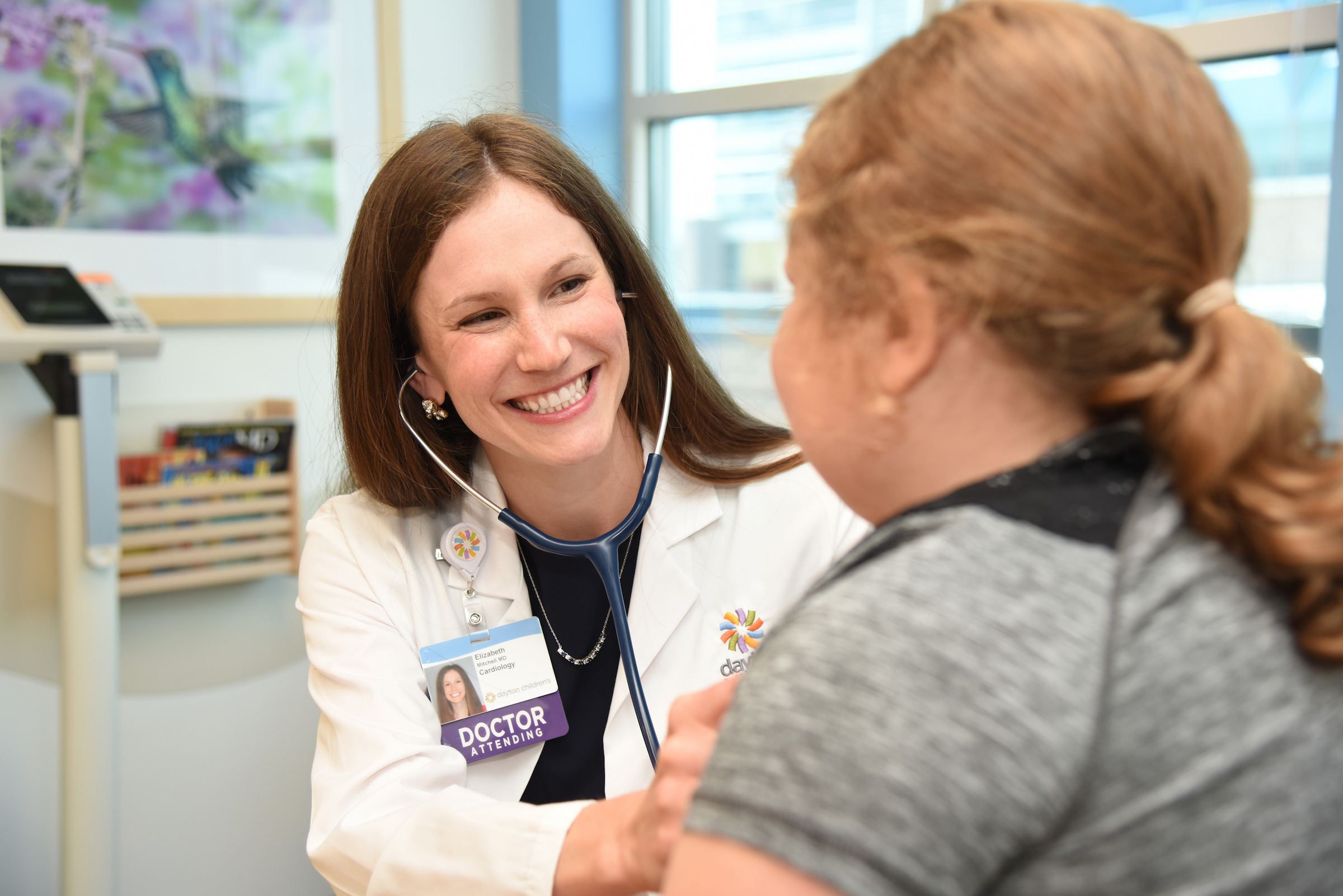
Pediatric cardiology is the branch of medicine that focuses on caring for children with heart conditions — from before birth through young adulthood. It includes diagnosing and treating issues that affect how the heart forms, beats, and circulates blood throughout the body.
Some heart conditions are present at birth (congenital), while others develop later. Pediatric cardiologists are specially trained to understand how a child’s growing heart is different from an adult’s, and to provide care that evolves as a child grows.
We use advanced imaging, testing, and monitoring to evaluate heart function, and work closely with families to create treatment plans that are thoughtful, clear, and compassionate. Whether a child needs routine care for a heart murmur or long-term support for a complex heart condition, pediatric cardiology is all about partnering with our families to help young hearts stay strong and healthy.
why choose pediatric cardiology at Dayton Children’s?
Pediatric cardiologists at Dayton Children’s provide expert, multidisciplinary care for children with congenital and acquired heart conditions, preventative cardiology care, and also offers an adult congenital heart disease clinic, which provides long-term care for adults who were born with a heart defect.
Our physicians take time to get to know each patient and family, and they work closely with other specialists at Dayton Children’s to ensure that each patient’s needs are met. Diagnostic testing is critically important for patients with a heart condition, and we make those tests as convenient as possible by offering most of them in the clinic setting. This means patients make fewer trips to Dayton Children’s, and allows our doctors to see test results quickly so that they can address any concerns right away.
when to see a cardiologist
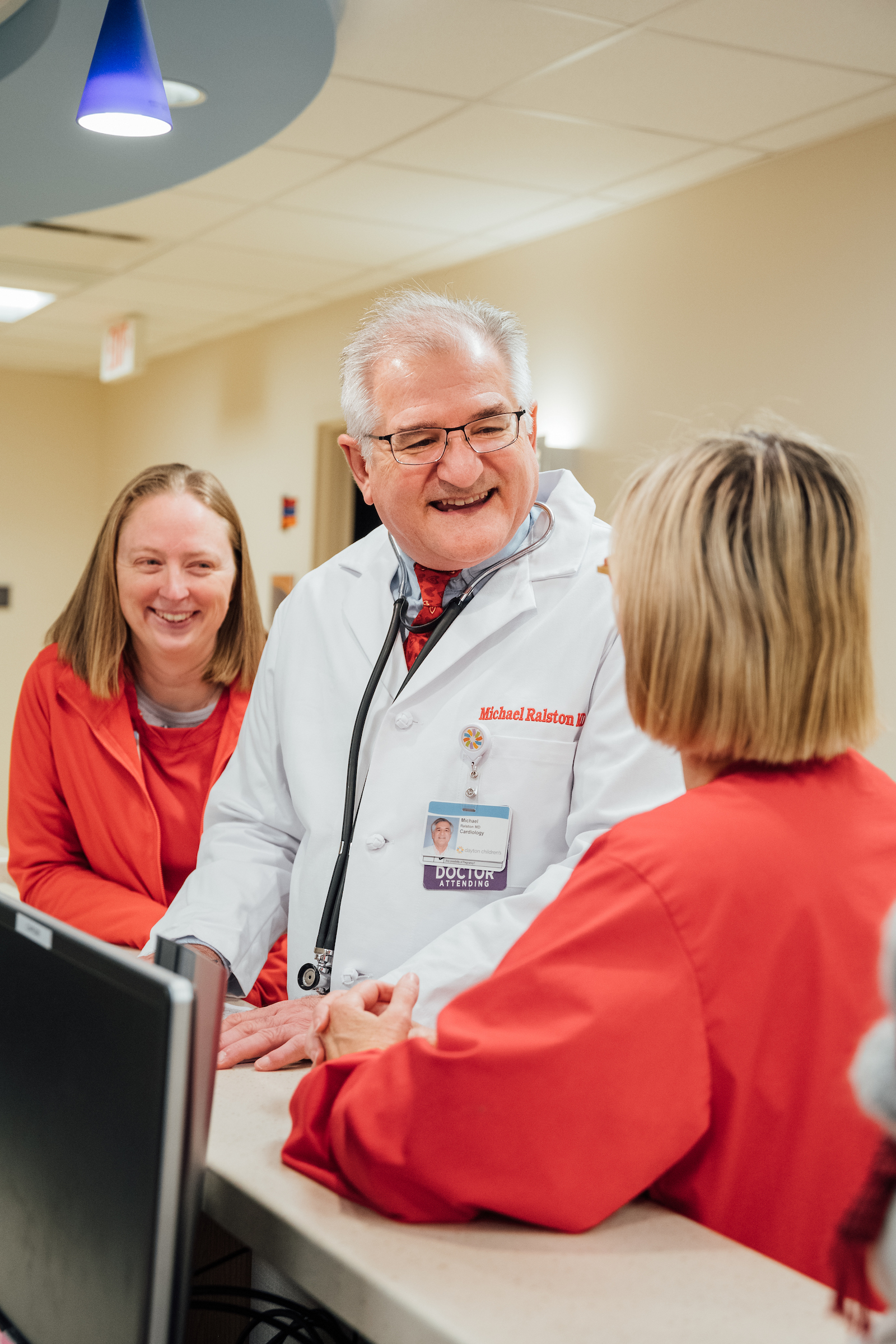
Wondering when to see a cardiologist? You may be referred to a cardiology specialist for:
- General cardiology – irregular heart rhythm, heart murmur, chest pain, etc.
- Preventive cardiology – abnormal lipids, high blood pressure, obesity, family history of early coronary artery disease
- Congenital heart disease – atrial septal defect, Tetralogy of Fallot, ventricular septal defect, pulmonary atresia, etc.
- A suspected heart condition in an unborn baby
- Fainting or lightheadedness (syncope)
our pediatric cardiologists
From routine concerns to the most complex conditions, our board-certified, fellowship-trained pediatric cardiologists are dedicated to caring for children with heart conditions. With expertise in congenital and acquired heart disease, preventive cardiology, and adult congenital heart care, we deliver advanced, compassionate treatment at every stage of your child’s growing heart.
common pediatric cardiology conditions we treat
Our pediatric cardiologists provide diagnostic testing and care for the full spectrum of heart conditions from before birth to adulthood, including:
pediatric cardiology programs and clinics
Our fellowship-trained pediatric cardiologists provide comprehensive cardiology care for children with a congenital or acquired heart condition, and lifelong care for adults who have a congenital heart disease. In addition to our general clinic, we offer the following programs and clinics.
When children carry excess weight for their height, they may be at risk for developing health problems such as heart disease, high blood pressure, and cholesterol (lipid) abnormalities. Our preventive cardiology clinic helps these children avoid serious heart problems by identifying the early warning signs of heart disease in children. Our friendly team helps provides variety of services, including:
- A comprehensive evaluation of heart function
- Supportive education for healthy eating and weight management
- Information and support to improve the fitness level in a variety of ways
- Medications to help lower blood pressure and cholesterol
- Referrals for lab tests to help evaluate heart disease risk
- Referrals to other specialty programs at Dayton Children’s that can provide additional support, such as the lipid clinic, nephrology department and pediatric sleep center
Thanks to major advances in medical and surgical care, most children who are born with a congenital heart defect are living into adulthood. As adults, they need to remain under the expert care of cardiology specialists who have expertise in treating patients with congenital heart defects. That is why Dayton Children’s has partnered with Nationwide Children’s Hospital, whose Columbus Ohio Adult Congenital Heart Disease (COACH) Program meets the unique needs of this patient population.
Syncope is a partial or complete loss of consciousness, otherwise known as fainting. Children who experience syncope are often diagnosed with POTS, or postural orthostatic tachycardia syndrome. Our pediatric cardiologists can help confirm a diagnosis of POTS or determine whether another condition is to blame, then establish a treatment plan to prevent syncope.
Chest pain is rarely a sign of serious trouble in children, but it can prevent them from participating in sports and other activities. The cause can be something as simple as a pulled muscle, or exercise-induced asthma. In rare cases, it may be something more serious. Our pediatric cardiologists are dedicated to providing a rapid diagnosis to help put parents’ minds at ease and get kids back to the activities they enjoy.
Learning that your child needs heart surgery (or any type of heart procedure) can certainly be frightening and overwhelming. We want to make sure that the next steps are as organized and stress-free as possible. This is why we have partnered with Nationwide Children’s Hospital for a one program, two campus approach to providing heart surgery and other heart procedures for our patients.
The fetal cardiac clinic includes a fetal echocardiogram, a non-invasive ultrasound study of the heart of an unborn baby. After the echocardiogram, patients will have a consultation with one of our board-certified pediatric cardiologists.
Dayton Children’s Hospital is a proud affiliate with Project ADAM (Automated Defibrillators in Adam’s Memory), a nationally recognized initiative focused on providing resources and education to establish cardiac emergency response plans in the event of sudden cardiac arrest.
Through this partnership, Dayton Children’s works to increase cardiac emergency preparedness in schools, sports facilities and community organizations throughout the region. The program aims to equip and empower these spaces with life-saving tools and training to ensure rapid responses to sudden cardiac events and to meet requirements of House Bill 47.
diagnostic testing for heart conditions
This convenient option allows our care team to receive test results quickly. It also means fewer trips back and forth from the clinic for patients and families.
Some of our tests require children to be very still. If this is difficult for your child, a member of our anesthesiology team will talk to you about providing sedation during these tests.
types of cardiology tests
Dayton Children’s offers the following cardiology tests.
These monitors track a patient’s blood pressure over the course of 24 hours. Readings can help confirm high blood pressure readings taken in the clinic.
Cardiac magnetic resonance imaging (MRI) is a painless imaging test that uses radio waves, magnets and computer software to create detailed pictures of the heart. This test is only available at the hospital’s main campus.
A chest X-ray creates pictures of the structures in and around the chest, including the heart. It can be used to diagnose and monitor cardiac conditions.
Echocardiography uses high-frequency (ultrasound) waves to create pictures of the heart. It allows the doctor to see the heart’s structures and how the heart is functioning. We offer the following echocardiography tests:
- Transthoracic echocardiography — This test involves placing an ultrasound probe on outside of a person’s chest to obtain images of the heart.
- Fetal echocardiography — This test is performed on an unborn baby if results from a routine ultrasound or other prenatal test indicate possible heart problems. It is similar to a prenatal ultrasound, but uses special equipment to obtain images of the fetus’ heart.
- Exercise stress testing — This test involves exercising on a treadmill or stationary bicycle while the doctor monitors the patient’s blood pressure and heart rhythm. While the patient’s heart rate reaches peak levels, the doctor identifies the patient’s peak oxygen consumption and sometimes even takes ultrasound images. Results can show whether the heart is getting enough blood and oxygen during exercise.
- Transesophageal echocardiography (TEE) — This test involves obtaining ultrasound images of the heart from inside the patient’s esophagus (“food pipe”). A TEE can obtain very clear images of the upper chambers of the heart, since those structures are located very close to the esophagus. It involves placing an ultrasound probe on the end of a thin, flexible tube, and passing that tube down the throat into the esophagus. This is usually done in the hospital as an outpatient procedure with the help of our anesthesiology colleagues.
Electrocardiography (also called EKG or ECG) is a test used to record electrical activity in the heart. It involves placing electrodes on the skin of the limbs and chest and also helps the cardiologist determine the size of the heart.
Genetic testing can help determine whether the child’s cardiac condition or defect is associated with inherited genetic factors. Test results can help physicians create a personalized treatment plan and help families be aware of the potential for other relatives to have a similar condition or defect.
Portable (or ambulatory) ECG monitors help the doctor learn more about heart rhythm problems. We offer three different kinds of ECG monitors: Holter, event monitor and Zio patch.
types of portable ECG monitors
Portable (or ambulatory) ECG monitors help the doctor learn more about heart rhythm problems. We offer three different kinds of ECG monitors: Holter, event monitor and Zio patch.
- Purpose: This device assesses heart rhythm abnormalities over a 24-48 hour period.
- How to Document Data: Patients record their daily activities and any symptoms in a log book/diary. When experiencing symptoms, such as dizziness or chest pain, the patient presses the blue button on top of the monitor to mark the event.
- Special Instructions: Patients should maintain normal activities, but not shower or bathe while wearing.
- Purpose: This device assesses heart rhythm abnormalities . Patients may wear if for 30 days.
- How to Document Data: Patients who have arrhythmias may be asked to wear this device. When a patient experiences a symptom of arrhythmia, he or she presses a button to record their heart rhythm. Patients transmit data by phone to the Dayton Children’s pediatric cardiology team for analysis.
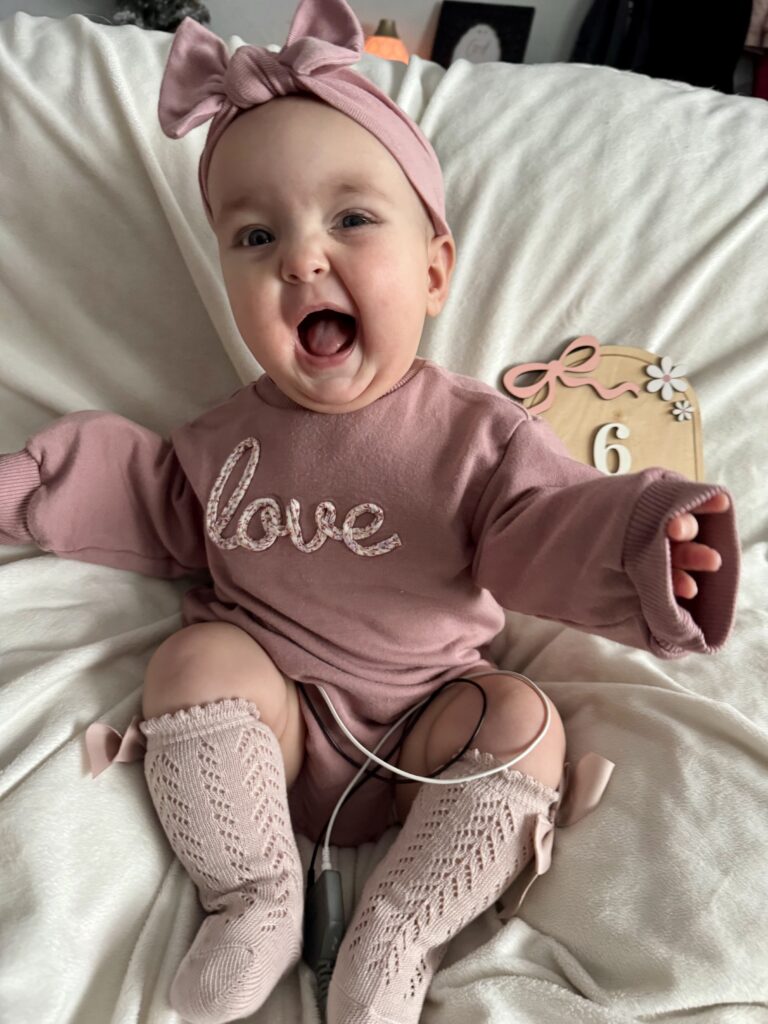
- Purpose: This disposable, wireless patch assesses heart rhythm abnormalities. Patients may wear it for up to 14 days.
- How to Document Data: While wearing the patch, patients document their symptoms in an event log/diary.
- Special Instructions: Patients may shower while wearing the patch, but should be careful not to submerge it in water. Keep soaps and lotions away from the monitor.
if your child needs a cardiac catheterization
Cardiac catheterization can help doctors perform therapeutic procedures on the heart and its blood vessels in order to treat some heart conditions, including heart rhythm abnormalities. Dayton Children’s does not offer cardiac catheterization, but if your child needs one, our specialists will recommend a skilled specialist and provide a referral.
news & blogs
Stay informed with seasonal health tips, treatment updates and advice on cardiology conditions.




pediatric cardiology patient stories
It is stressful to be diagnosed with a new condition. Hearing from other families and having a trusted care team with you for the journey can make a big difference. Our patient stories highlight real experiences from parents and kids who’ve faced cardiology diagnoses. See how they navigated care and found answers, in part thanks to our compassionate care team.

for your visit
Here’s what to know before your appointment:
- Complete: Questionnaire sent ahead of your appointment to help us better understand your concerns and plan your visit
- Bring: Any relevant medical records, results for any tests not performed at a Dayton Children’s facility and medications your child takes
- Wear: Comfortable clothing for physical assessments
- Expect: Clinic visits can take one, two or three hours, depending on the patient’s needs. They include:
- A physical exam
- A discussion about the patient’s medical history
- Diagnostic testing right in the clinic, so we have results quickly
- A conversation about treatment options, including medication or surgery
- Referrals for follow-up tests, such as a cardiac MRI or stress testing
Get checklists, resources, and helpful tips for before, during, and after your visit to Dayton Children’s—so you know exactly what to expect.
pediatric cardiology resources
We encourage families to visit these trusted websites and organizations for additional support and education. Many of these resources are specifically for patients and families dealing with cardiology conditions.
congenital heart disease
lipoprotein a
- Five things you should know about Lipoprotein (a)
- The FH Foundation Lipoprotein (a)
- The FH Foundation
- Learn your lipids
- National Lipid Association printables
- X (Twitter) accounts:
- Instagram accounts:
State of Ohio resources
The Ohio Department of Health offers the Complex Medical Help Program (CMH, formerly called Children with Medical Handicaps, or BCMH, Program). CMH links families of children with special healthcare needs to a network of quality providers, and helps families obtain payment for the services their children need.
FAQs
Many families come to us through a referral from their pediatrician, often after a heart murmur or abnormal finding. You can also call or schedule online to get started, and our team will help coordinate any records or test results we need.
Pediatric cardiologists are specially trained in how a child’s growing heart differs from an adult’s — including conditions present at birth. Our team cares for hearts from before birth through young adulthood, with exams and testing designed to put kids at ease.
In most cases, yes — tests like EKGs and echocardiograms happen right in our clinic, often during the same visit, so our doctors can review results quickly and talk through next steps with you. Plan for one to three hours, depending on your child’s needs.

cardiology hours and locations
Our pediatric cardiology team is here to support your child’s health at multiple convenient locations.
connect with a pediatric cardiologist
Whether your child is showing signs of a heart condition or you’re seeking preventive care due to family history, Dayton Children’s is here to help. As your trusted partner in pediatric care, our cardiology team supports your family every step of the way—from testing to diagnosis to treatment—with expert, personalized care tailored to your child’s needs.