scoliosis
about scoliosis
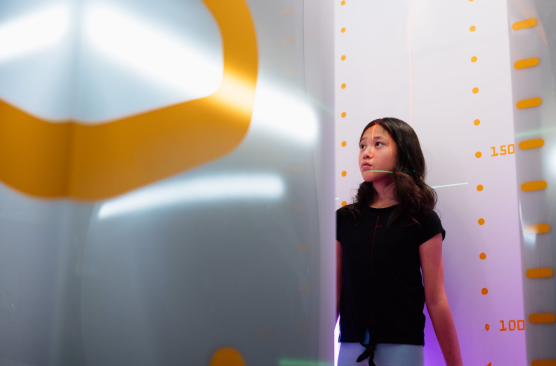
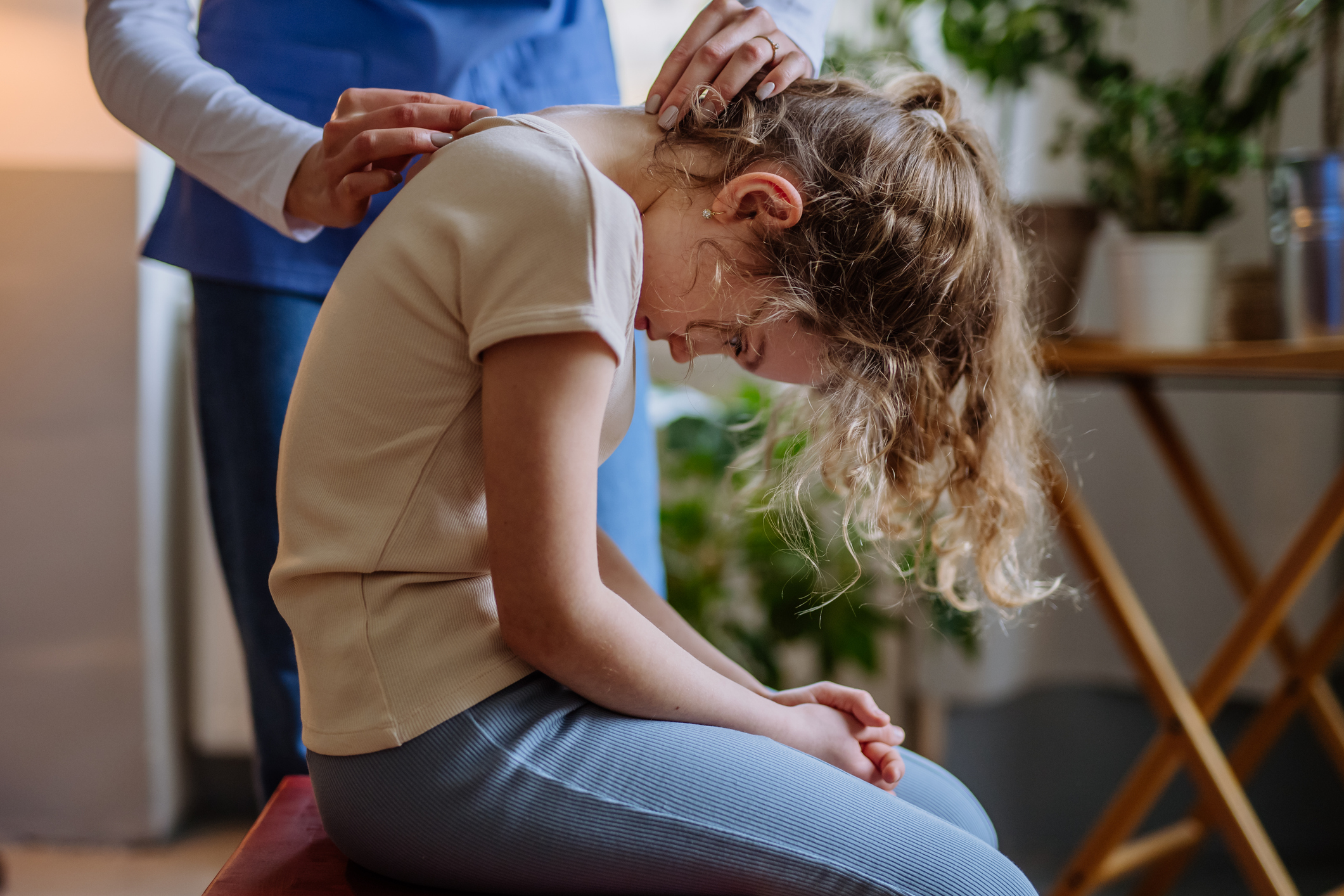
Scoliosis causes the spine to curve sideways and is most often diagnosed during growth spurts. While some curves are mild and only require monitoring, others may need active treatment such as scoliosis bracing, physical therapy or surgery. At Dayton Children’s Hospital, our spine care team tailors treatment plans to each child’s age, growth stage and curve severity.
symptoms
Early signs of scoliosis can be subtle, so it’s important to watch for the following:
- Uneven shoulders or shoulder blades
- One hip higher than the other
- Visible curve in the spine
- Head not centered over the pelvis
- Ribs sticking out more on one side
- Clothes not fitting evenly
diagnosis
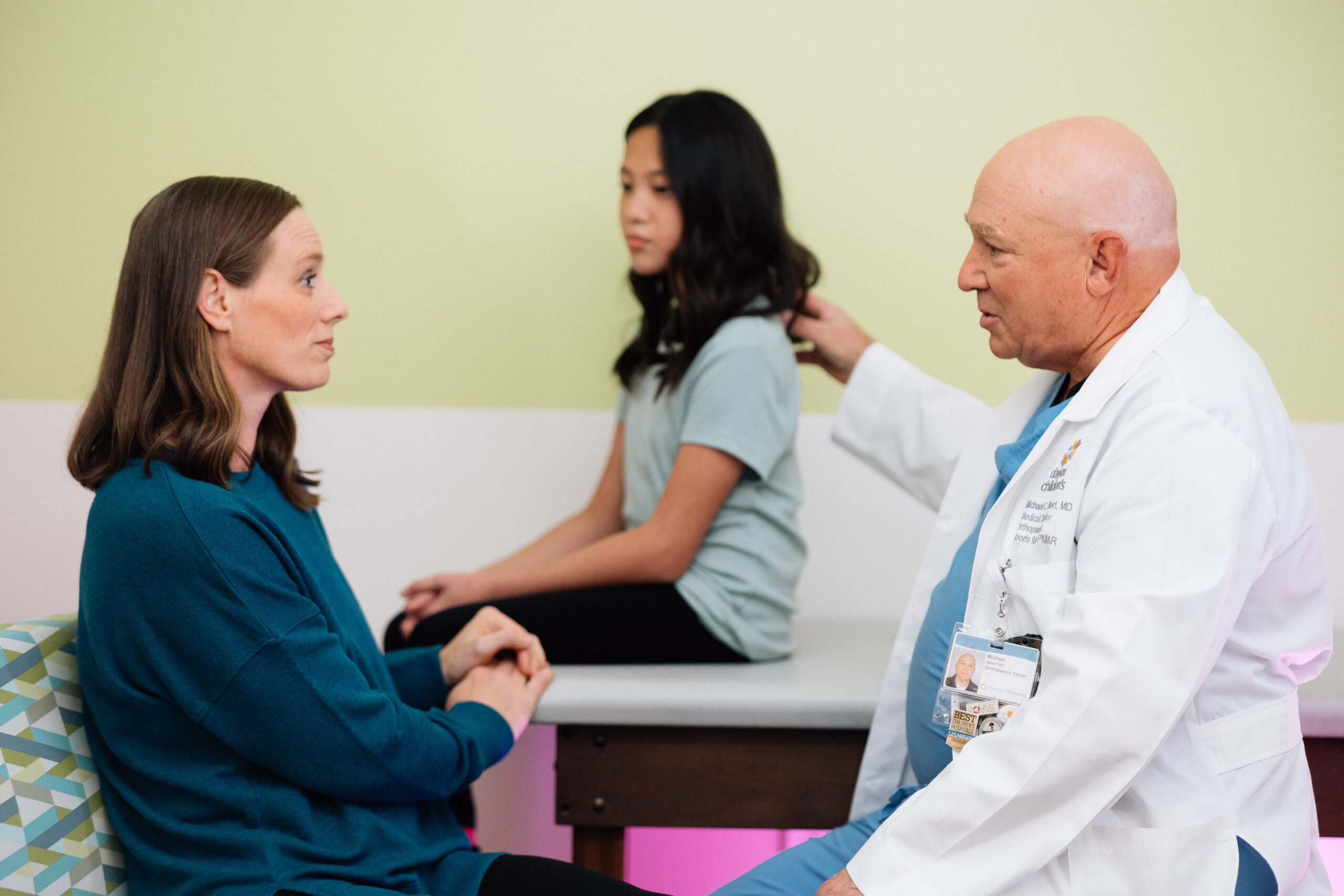
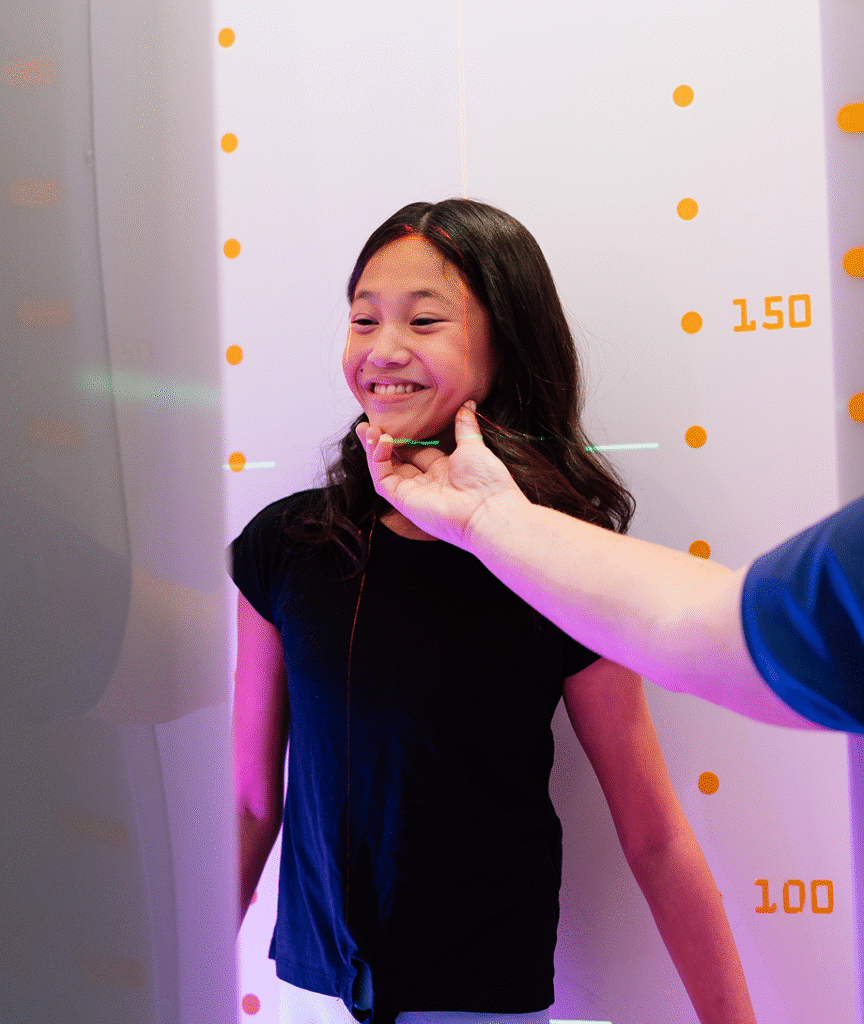
Diagnosing scoliosis starts with a physical exam and review of your child’s growth history. Pediatric spine specialists at Dayton Children’s may also use X-rays to measure the curve and determine the best next steps.
Scoliosis diagnosis may include:
- Visual spine and posture check
- Measurement of spinal curve (Cobb angle)
- X-rays to track curve progression
- Evaluation of growth potential
- Neurologic exams to rule out other causes
scoliosis treatment
Treatment for pediatric scoliosis depends on your child’s age, curve type and growth stage. At Dayton Children’s, we offer a full range of treatment options and partner with our patients to choose the best personalized care plan for them.
Scoliosis treatment plan may include:
- Observation and regular X-rays for mild scoliosis
- Scoliosis bracing for moderate curves
- Scolio-Pilates and scoliosis physical therapy
- ApiFix or BandLoc minimally invasive surgery
- Traditional spinal fusion (for severe cases)
scoliosis care team
- Pediatric orthopedics
- Physical therapists
- Imaging
scoliosis FAQs
Have questions about scoliosis in children? Here are answers to common concerns parents share.
Not every scoliosis diagnosis needs immediate treatment. A child may need treatment if:
- The spinal curve is moderate to severe (typically over 25 degrees)
- The curve is worsening over time
- The child is still growing, increasing the risk of progression
At Dayton Children’s, we offer a full range of scoliosis treatment options for children and teens based on their curve, age and growth potential:
- Observation and monitoring for mild curves
- Scoliosis bracing for moderate curves in growing children
- Scoliosis physical therapy, including Scolio-Pilates
- Surgical options like ApiFix, BandLoc and spinal fusion for severe or progressive curves
No, scoliosis surgery is only recommended in more severe or progressive cases. Most children with mild or moderate curves can be treated with bracing, exercise or simply monitored over time.
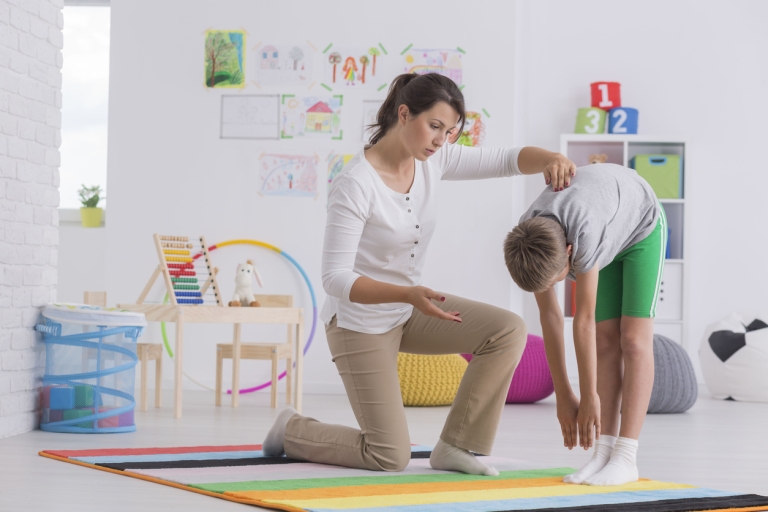
Scolio-Pilates is a non-surgical way to support spine health, often used alongside bracing or as part of post-surgical rehabilitation. It’s a specialized exercise program for young people with scoliosis that combines Pilates principles with therapeutic movements designed to improve spinal alignment and posture, increase strength and flexibility and promote corrective breathing and body awareness.
Yes, most kids with scoliosis can still play sports and remain active. In fact, regular physical activity can help improve strength, flexibility and overall well-being. While some high-impact sports may need to be adjusted based on the severity of the curve or the type of treatment your child is receiving (like bracing or surgery), our care team will work with you to make sure your child stays safely involved in the activities they enjoy.
our orthopedic providers
Our pediatric spine care specialists offer expert scoliosis treatment designed for growing kids and teens.
scoliosis news and blogs
Stay up-to-date with the latest insights in scoliosis. We’re always working to share helpful, real-world content for families navigating scoliosis care.

get scoliosis treatment
If you think your child has scoliosis, our pediatric spine care team at Dayton Children’s is here to help. Schedule online or call 937-641-4000.