

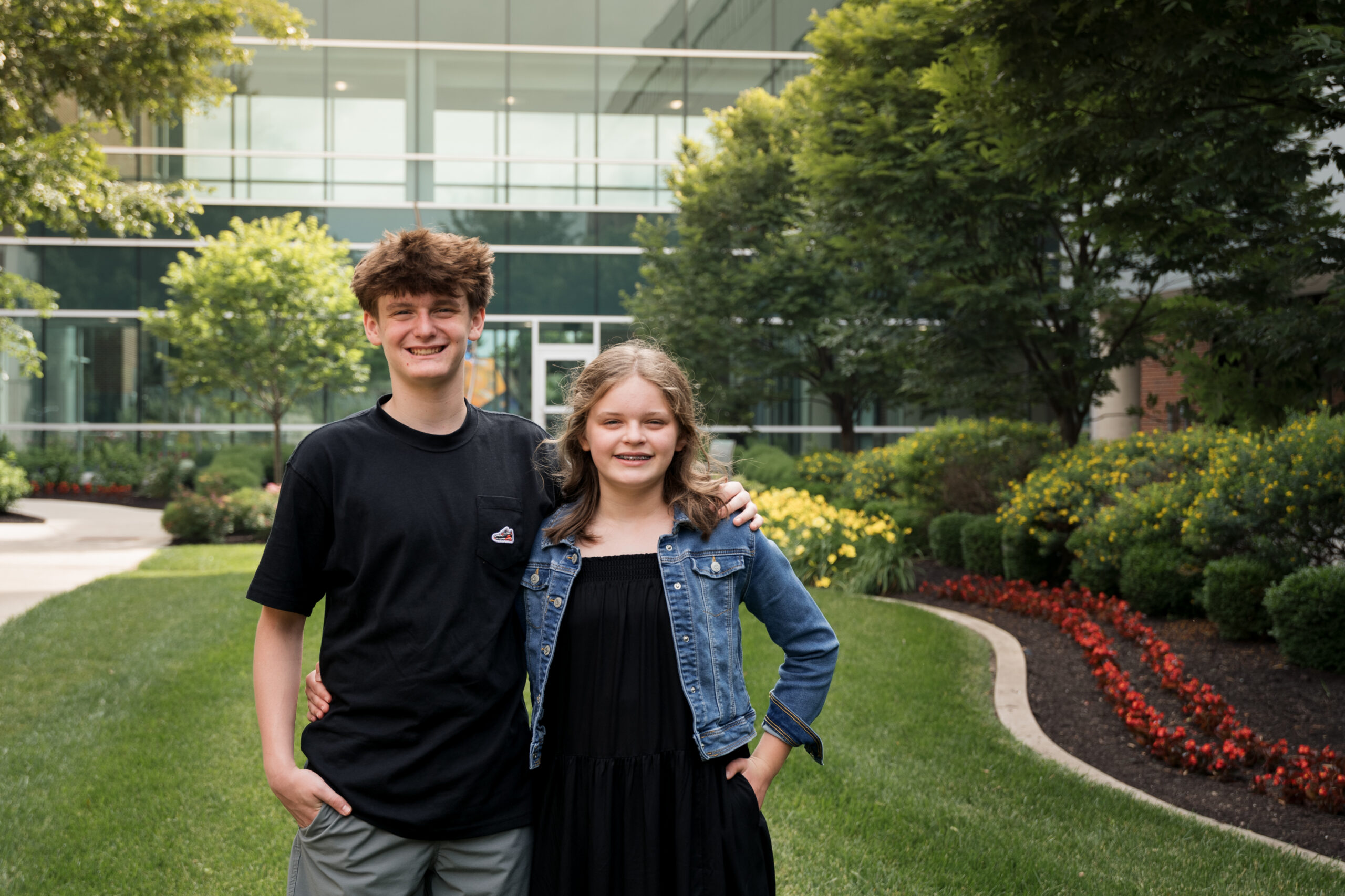
battling asthma
patient age (at diagnosis): 5
condition: asthma
seen in: pulmonary medicine
providers: Daniel Evans, MD, division chief of pulmonology
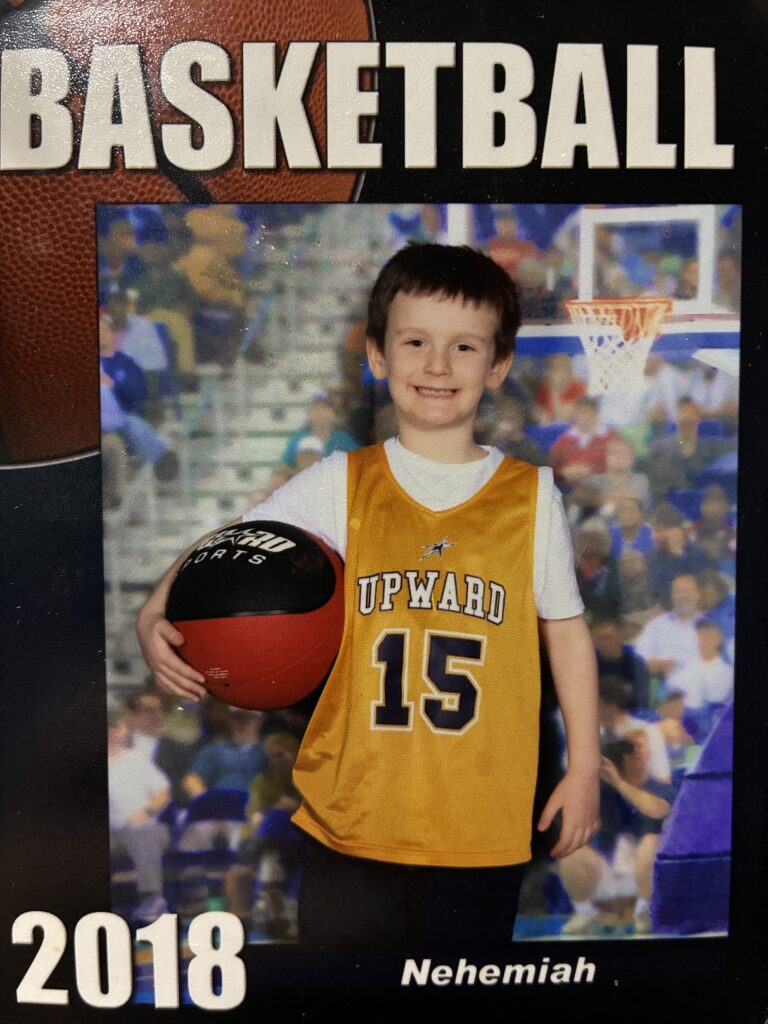
Nehemiah Payne was 5 years old when he started playing sports. Around the same time, he also started experiencing frequent upper respiratory viruses throughout the fall, winter and spring that would leave him with a lingering cough.
When coughing fits began to keep Nehemiah up at night and sidelined him from the sports he loved, his parents, Amanda and Daniel, knew something was wrong.
At first, they were told his coughing was caused by seasonal allergies, but even the highest dose of allergy medicine he could take did not help. Concerned, Nehemiah and his family returned to his pediatrician’s office for another opinion.
This time, the doctor listened to his lungs and began to think asthma was the cause for his coughing. Nehemiah was referred to Dayton Children’s Hospital for a visit with Daniel Evans, MD, division chief of pulmonology, to confirm the diagnosis.
navigating uncertainty
Nehemiah’s parents were hopeful that a diagnosis would bring relief, but they also remembered feeling nervous before his first appointment. Even though the doctors thought Nehemiah had asthma, they still had to run additional tests to be sure no other conditions were affecting him.
“It was a little bit scary to have all those tests done, not knowing what the answer was going to be,” Amanda recalled
The additional tests focused on other conditions that could cause coughing fits, ranging from heartburn to cystic fibrosis. For Nehemiah, those tests came back negative. His diagnosis was official: mild persistent asthma, which meant his asthma symptoms needed regular treatment to stay controlled. For Nehemiah’s family, getting a diagnosis was only the beginning. The next step was learning what to watch for, how to use his inhalers, and when to ask for help.
finding comfort in care
Once Nehemiah’s family had an answer, their focus turned to finding the best treatment plan and helping them feel confident caring for his asthma at home.
Asthma is primarily treated through daily medication taken at home using an inhaler, so Nehemiah and his family had to become experts. Amanda and Daniel said one of the most memorable parts of their Dayton Children’s experience is how Dr. Evans helped them learn during the early visits after Nehemiah’s diagnosis.
“The big thing that Dr. Evans was really, really great about was showing us how to use his inhaler, how to use the spacer, how many times to breathe for each puff,” Amanda said. “Because of that, it helped Nehemiah so much, because we then had a rhythm.”
In the seven years that Nehemiah has been seeing Dr. Evans, Amanda explained that he consistently aims to relate with Nehemiah not only as a patient, but also as a person and an athlete. Shared interests, like basketball, helped the two of them connect throughout their visits, building a trusting relationship during stressful moments.
“I think he did a really good job making me feel comfortable, and talking me and my parents through everything,” Nehemiah said.
facing challenges
Even with a treatment plan in place, kids and adults with asthma can run into challenges along the way. Nehemiah has experienced this firsthand when illnesses have caused his asthma symptoms to become worse.
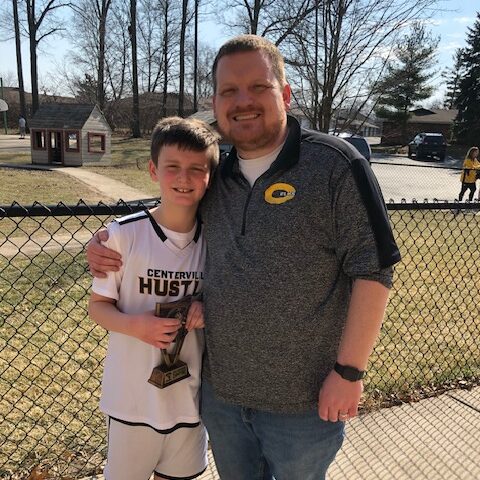
Just after he began using a daily controller inhaler, he got sick. His rescue inhaler, a fast-acting device used to provide quick relief of asthma symptoms, was not helping him feel better.
Over the phone, Dr. Evans guided Amanda and Daniel through how to help Nehemiah. The treatment involved a high number of “puffs,” or doses, of his rescue inhaler over an hour.
“If that hadn’t helped, we were going to have to go to the emergency room,” Daniel remembered. “Thankfully, it did what it was supposed to do. That was the worst we ever had at home.”
A few years later, though, Nehemiah came down with the flu around Thanksgiving. His symptoms were affecting his asthma and made it feel hard to breathe. Amanda took him to the emergency department at Dayton Children’s.
“I thought I couldn’t breathe for a minute,” Nehemiah recalled. “It was scary, because I’d never really had an asthma attack before and I thought this could have been an asthma attack.”
In the emergency department, he was given a nebulizer treatment to relieve his symptoms. The treatment worked, and Nehemiah was able to return home after a long night.
changing approaches and looking to the future
For the first few years after his diagnosis, Nehemiah needed to take a steroid when he got sick to help reduce swelling in his airways and prevent emergency situations. As he’s gotten older and more confident, his needs have changed.
When he developed RSV a few years later, he was able to recover without needing a steroid. Since Nehemiah has become more confident in recognizing his symptoms, he is able to use his rescue inhaler more effectively than ever.
“Now that I’ve known about it for so long, I can tell whenever I’m sick if it’s just a sick cough, or if it’s an asthma cough,” he said. “If it’s interfering with my asthma, I’ll take my rescue inhaler to try to help.”
Now, he’s gearing up to start high school.
He’s especially excited to play high school basketball, his favorite activity, with nearly no limitations from his asthma. His lung function has improved so much that he’s even transitioning to a new care plan that no longer includes a daily inhaler.
“Dayton Children’s has helped me pursue playing high school basketball, going to these morning workouts and getting through them,” Nehemiah said. “If it wasn’t for Dayton Children’s and I didn’t have my inhaler, I wouldn’t be in the position that I’m in right now.”