Although we often think of going outdoors as a necessity for physical health – research shows that it’s also really good for mental health too! One way to make outdoors even better for our mental health is using it as a time to connect with others.
Kids connecting with other kids is key to their developmental and a powerful tool to build solid relationships, develop confidence and encourage a sense of self.
benefits of being outdoors
Time spent in fresh air can positively impact children and teens in a variety of ways. It can:
- Ease stress, anxiety and depression
- Provide the venue for meaningful social connections
- Encourage physical activity
- Enhance focus
- Activate kids’ senses
- Support better sleep
- Drive creativity
- Provide an opportunity for unstructured fun and connection
- Bolster resilience and confidence
perks of connecting with others
When kids are outside together, it can provide even more benefits. Humans need connection just like we need food and water, it is a basic need. Connection helps with belonging and reduces loneliness, which we know can put people at risk for mental health concerns such as anxiety and depression.
Connection can also improve both physical and mental health – reducing risk for medical conditions and increasing healthy behaviors.
And because children today tend to spend a lot of time on screens (typically while indoors), going outside and spending time with others can be the exact thing they need to explore life beyond technology.
connecting together outdoors
Need ideas? Whether kids go somewhere scenic or just enjoy the outdoor space that’s around them, there are plenty of ways to connect with others while enjoying nature any time of year. These include:
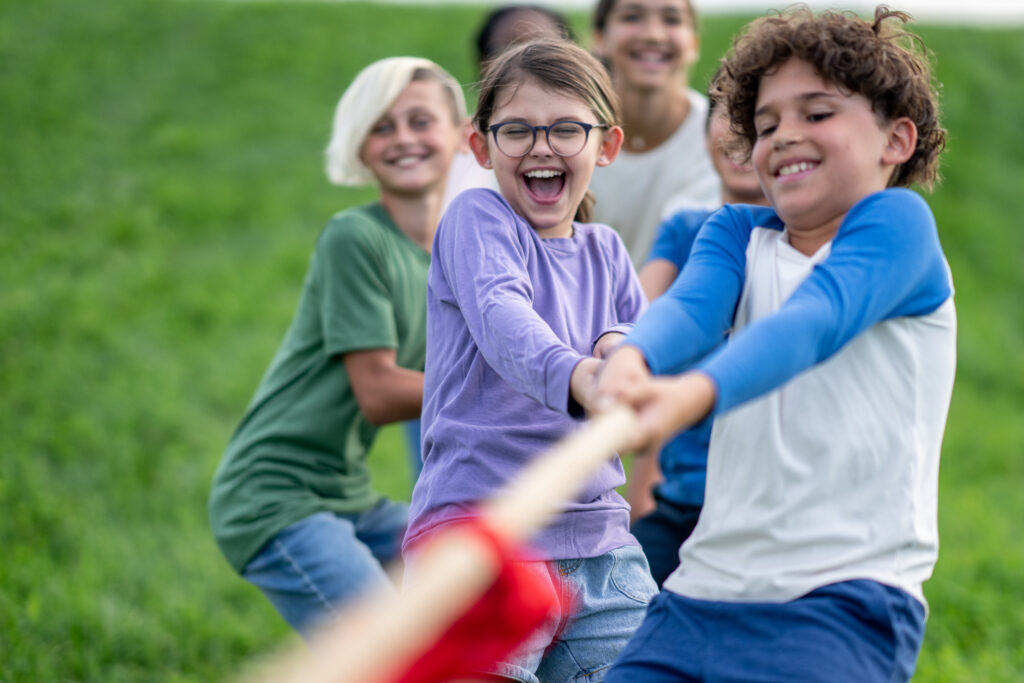
- Playing a team sport
- Talking while walking
- Exploring a new space together and discussing it
- Taking in new sights and sounds
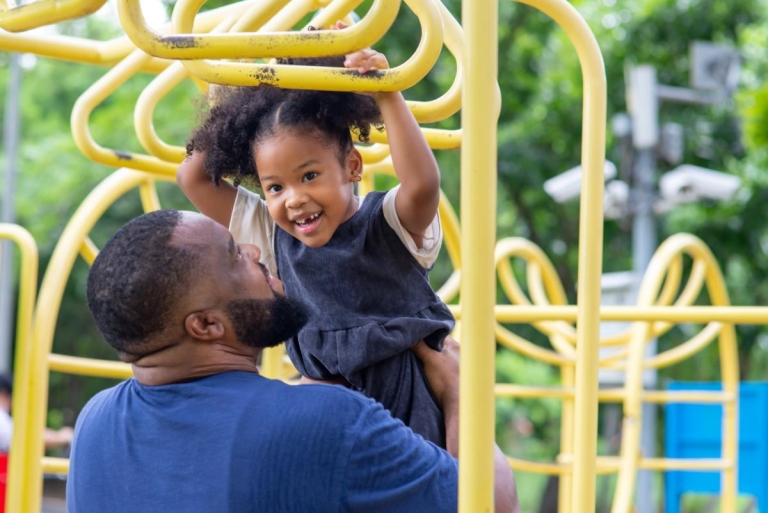
- Going to a playground together
- Hosting a lesson or discussion outdoors
- Making up or playing a game
- Starting a collection of items from the outdoors (rocks, sticks, etc.)
- Identifying things in nature (birds, types of trees, etc.)
- Working in a garden
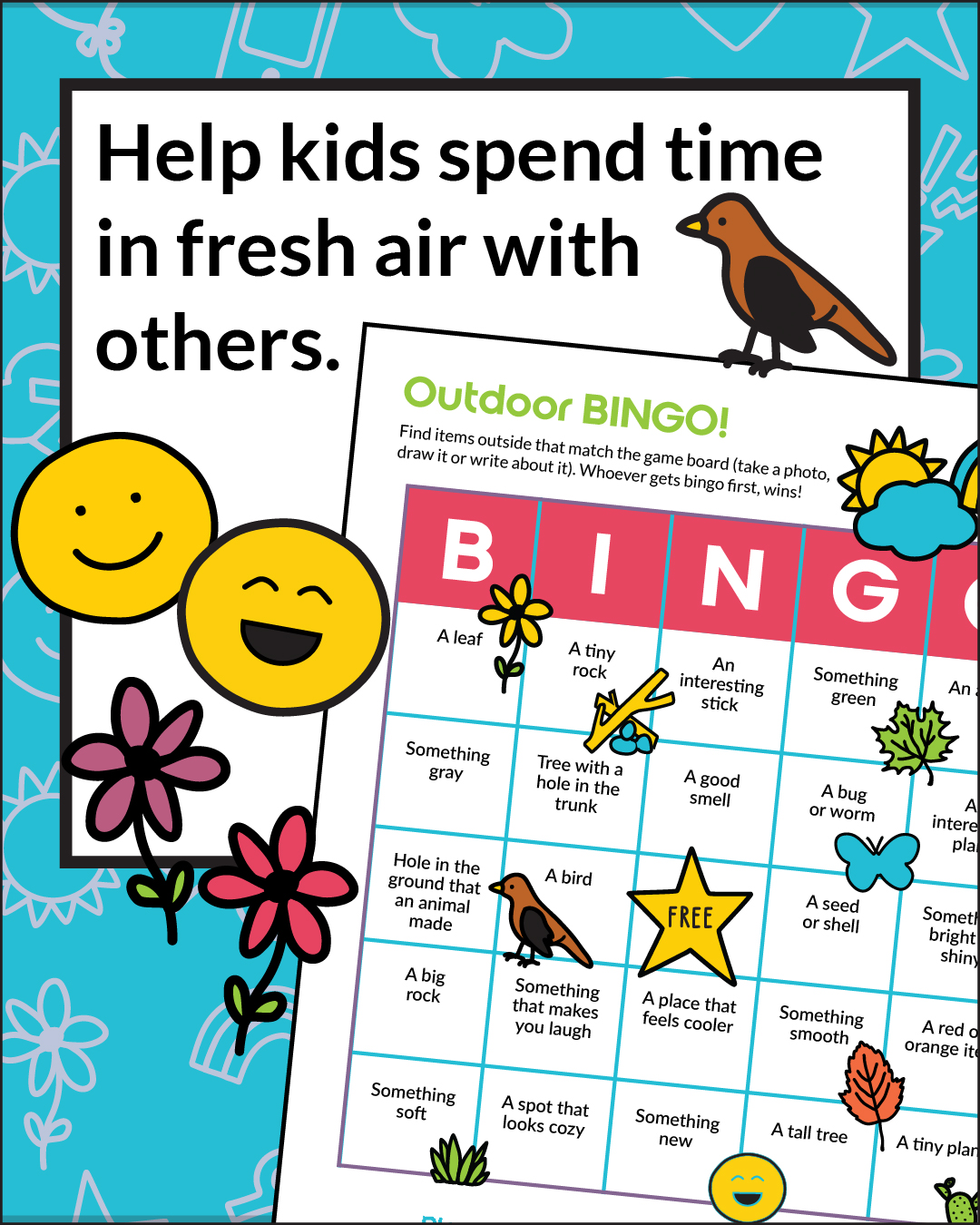
- Trying a scavenger hunt
- Going biking or rollerblading
- Encouraging independent play
- Bringing toys outdoors
- Creating art projects
- Going fruit or vegetable picking
- Enjoying a hike
- Playing a one-on-one activity, like catch
the takeaway
Kids don’t have to be nature lovers to enjoy being outside. Being outside is good for us, and there are variety of ways to make it work for any individual. When you add a social component to the outdoor experience, it can provide even greater mental health benefits—and hopefully inspire kids to spend more time being active outside with others for years to come.
Lead by example. If your child sees you gardening or playing a sport outside, they may be more likely to want to be outdoors – spending quality time with you in the fresh air as well.
join the On Our Sleeves community today
When you sign up for the On Our Sleeves movement, you’ll get free monthly emails with simple tips, expert advice and activities you can use to support the kids in your life. You’ll also get access to free downloadable resources and join a growing community working to break the stigma around mental health.