raising a young champion
Your family’s guide to connecting during the Winter Olympics and beyond.


champions for children’s health
Health isn’t just about strong bodies. It’s about confident minds, healthy habits, and enjoying the journey along the way. Watching the Winter Olympics together offers a meaningful opportunity to talk, learn, and move as a family.
This guide brings together expert-backed tips to help your child stay healthy, energized, and supported… from playgrounds to podiums! Scroll to discover:
get the conversation going
As you watch the winter Olympics, use these conversation starters with your family.
- If you could play any sport that you’ve seen, what would it be and why?
- If you could invent a sport, what would it be like?
- Do you think any of these athletes feel pressure? Why or why not?
- Do you prefer winter sports or summer sports? Tell me why!
- Have you felt pressure or stress in sports situations? Can you tell me about it?
- What could you say to a teammate who made a mistake during their competition?
- Is there good stress in doing sports? How so?
- Do you ever feel pressure? How can I help you when you’re feeling pressure?



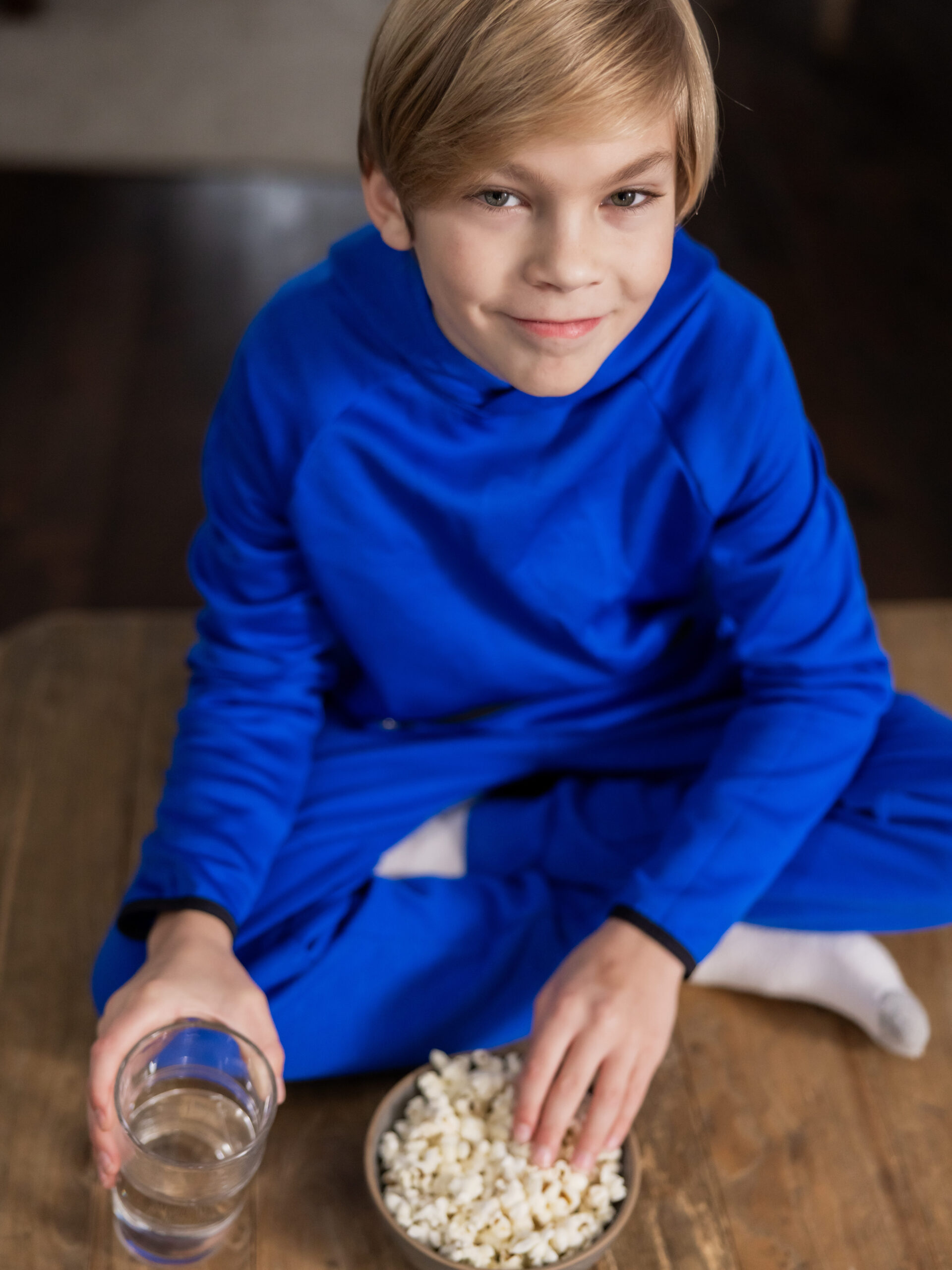
eating like a champion
You’ve probably heard about the carefully planned diets of Olympic athletes—but when it comes to kids, nutrition doesn’t have to be complicated. Simple, balanced meals can go a long way in supporting energy, growth, and confidence.
Without the right fuel, young athletes may feel run down or be more prone to injury. These easy tips can help you support your child’s body as they learn, play, and compete.
pre-athletic event
Tag in carbohydrate-rich teammates 3–4 hours before activity to top off energy stores. Examples include breads, crackers, bananas and grapes!
Quick tip: A piece of fruit and water 30–60 minutes before play can help boost energy.
during athletic event
Help your child stay energized by offering water during play. For longer or more intense activity, sports drinks with carbohydrates and electrolytes can help.
Skip protein shakes, creamy drinks, or high-fiber beverages during activity, as they digest more slowly.
post-athletic event
Refuel within 15–30 minutes with carbohydrates and protein to support muscle repair and fluid recovery.
related resources
Ready to learn more? Check out our additional nutrition resources today.




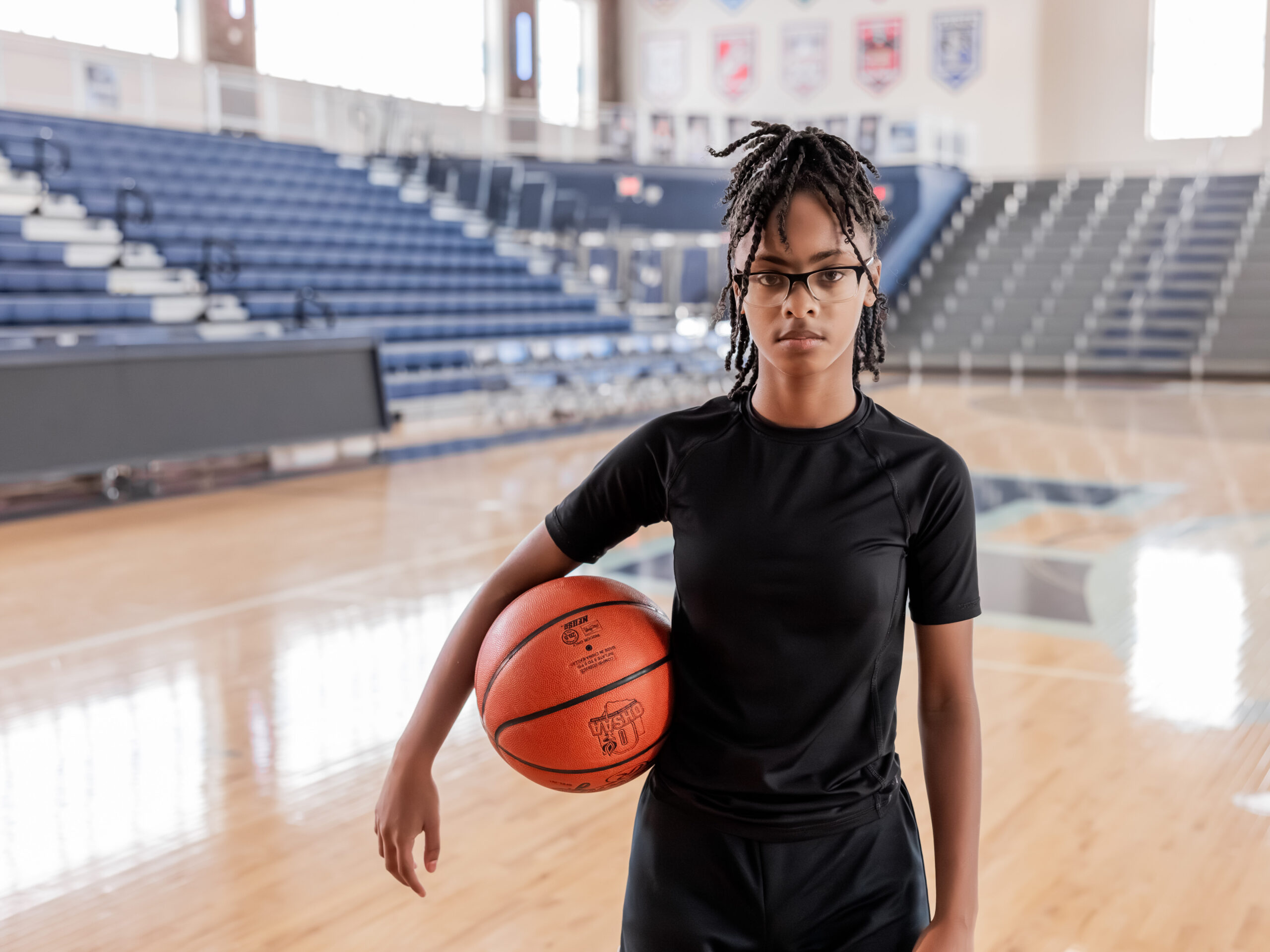
preventing injury and burnout
Olympic athletes train with purpose, knowing when to push and when to recover. For kids, finding that balance is just as important. While sports offer incredible physical and emotional benefits, young athletes today are seeing more serious injuries and higher burnout than ever before.
When does commitment become overload? And how can families help keep sports a positive part of childhood? Recognizing the signs early can make all the difference.
do
- Keep weekly hours of organized sports below a child’s age (until age 16)
- Take at least one full rest day each week
- Encourage multiple sports until at least high school
don’t
- Play the same sport more than eight months per year
- Participate in organized sports more than 10 months per year
- Play multiple sports in the same season
sports physicals FAQs
Getting ready for spring sports? Your young athlete may need a sports physical. Review our FAQs and schedule one at a nearby Kids Express location.
A sports physical helps make sure your child is healthy and ready to play. It gives the doctor a chance to check for any health concerns that could get in the way of sports, manage health concerns (like asthma), and share helpful tips or exercises to help prevent injuries and keep your child feeling their best!
It’s unlikely a sports physical will keep your child from playing. Most kids are cleared with no issues, while some may need small adjustments like changes to medicine, a follow-up visit, or physical therapy to play safely. The goal of a sports physical is safety, not stopping play, and if a sport isn’t recommended, there are usually other activities your child can enjoy.
A sports physical focuses on your child’s health for playing sports, but regular checkups are still important for overall well-being. If you plan ahead, your doctor may be able to combine both exams in one visit.
Schedule sports physicals at least six weeks before the season starts. This gives time for any follow-up tests or treatment if needed. Sports physicals are usually valid for one year, but you may need a new sports form each season. If your child has any new injuries or symptoms, let the doctor know.
We always recommend calling your child’s primary care physician first to schedule their sports physical. They know your child best and this allows for a centralized record of their complete medical history.
If you cannot get into your child’s physician, the nurse practitioners at Kids Express can perform sports physicals. Sports physicals are available on a walk-in basis or you can save your spot online.
champion stories
Madi and Audrey Ryon

Kamyah Hall
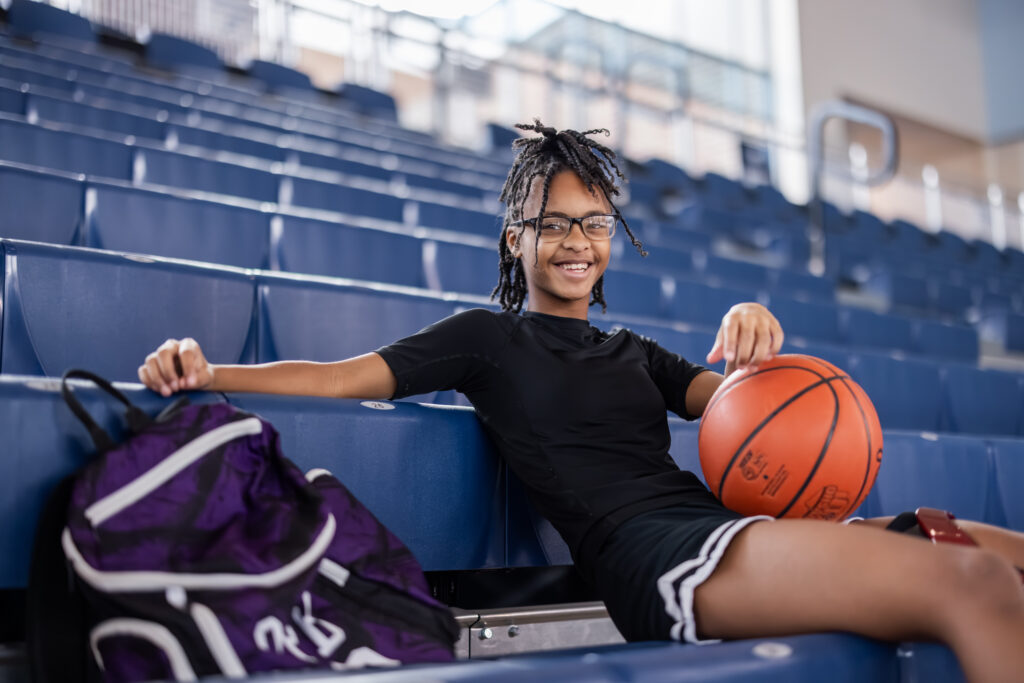
Madi Clay
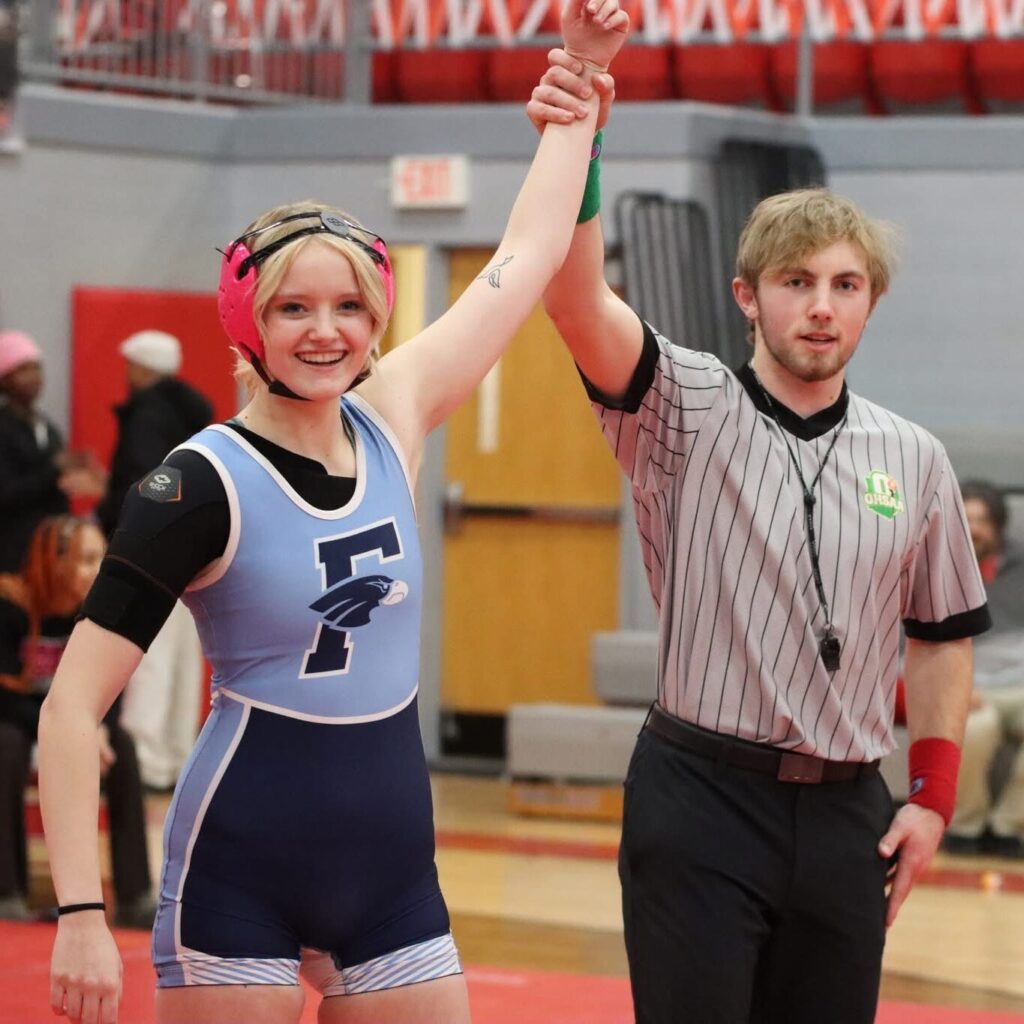
Cora Coate

Serenity Ulmer

champion stories
Madi and Audrey Ryon
Kamyah Hall
Madi Clay
Cora Coate
Serenity Ulmer
trusted orthopedic & sports medicine care
At Dayton Children’s, our U.S. News & World Report ranked pediatric orthopedic specialists provide kid and teen focused care that helps young champions heal, grow and return to the activities they love.